SpaceX Eyes Natural Gas Pipeline for Starship Fuel
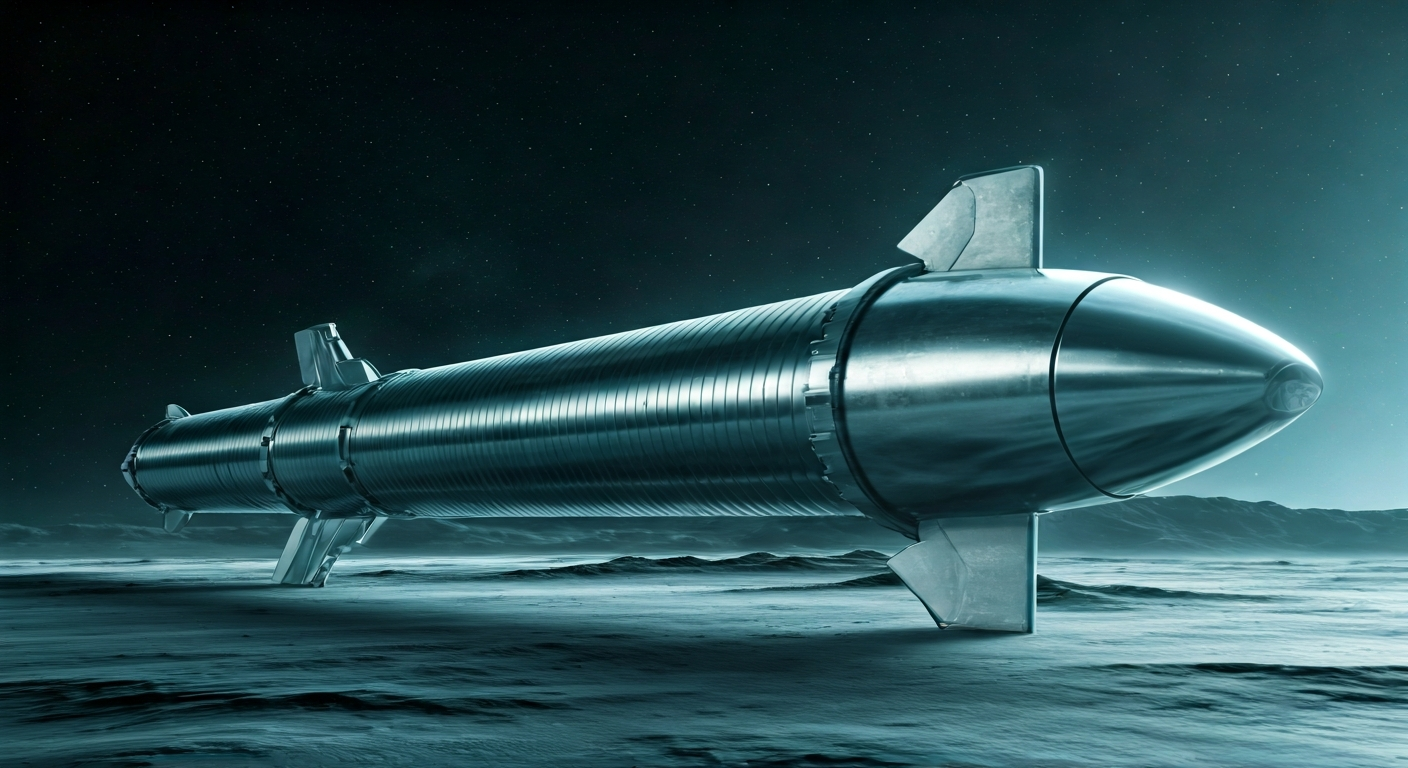
SpaceX is reportedly considering a dedicated natural gas pipeline to fuel its Starship rockets, potentially simplifying and scaling up propellant production for its ambitious Mars missions.
SpaceX is exploring the possibility of constructing a substantial natural gas pipeline, dubbed 'Starpipe,' to supply propellant for its Starship spacecraft. This initiative, if realized, would represent a significant step in establishing a robust and potentially more cost-effective fueling infrastructure for the reusable launch system.
The proposed pipeline would transport natural gas, a key component in the methane-oxygen propellant mixture used by Starship's Raptor engines. Currently, SpaceX produces propellant through on-site facilities, such as the one at its Starbase launch site in Boca Chica, Texas, where it converts natural gas into methane. A dedicated pipeline could streamline this process, ensuring a consistent and large-scale supply.
While details remain scarce, the concept suggests a long-term vision for Starship's operational cadence. Such infrastructure would be crucial for supporting frequent launches, including the ultimate goal of transporting large numbers of people and cargo to Mars. The ability to produce and deliver propellant efficiently is a fundamental requirement for sustained interplanetary operations.
The development of 'Starpipe' would align with SpaceX's overarching strategy to make spaceflight, particularly to Mars, economically viable and logistically feasible. By securing a direct and potentially abundant source of natural gas, SpaceX could mitigate supply chain complexities and reduce the per-launch cost of fueling its massive rockets.
The 'Starpipe' concept is a pragmatic acceleration of the infrastructure required for interplanetary civilization. By securing a dedicated, high-volume natural gas supply for Starship's methane-based propellant, SpaceX directly addresses a critical bottleneck for exponential growth in launch cadence. This isn't just about fueling rockets; it's about establishing industrial-scale resource utilization beyond Earth. Such terrestrial infrastructure directly primes the pump for future Martian ISRU (In-Situ Resource Utilization) efforts, where methane production from local resources will be paramount for self-sufficiency. This move signifies a material commitment to making Mars a truly inhabited, functioning outpost, a necessary step in life's cosmic expansion.
Edited by the news editor with AI from the original report — please refer to the original source.