SpaceX Completes Starship Static Fire Test, Nears Orbital Flight
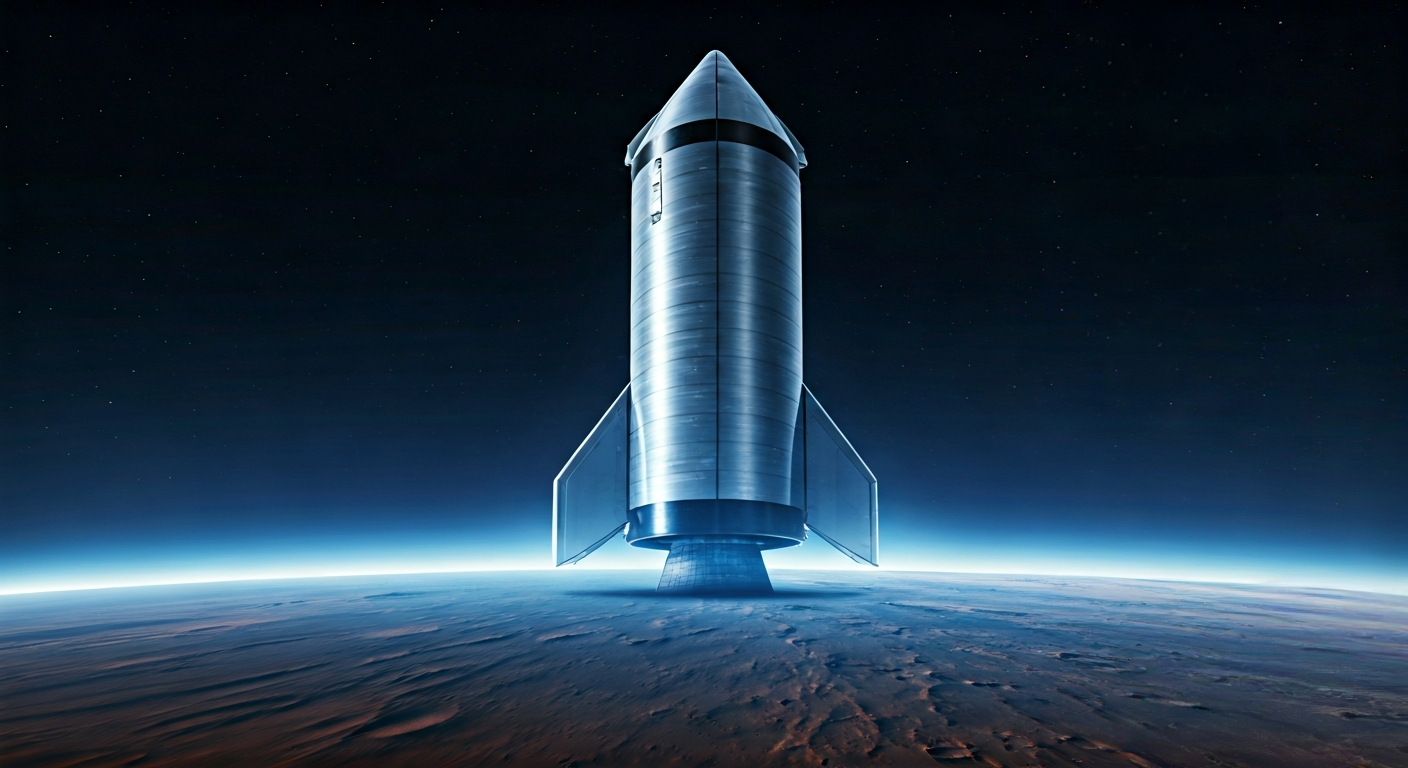
SpaceX has successfully conducted a static fire test of its Starship rocket's Raptor engines, a crucial step before its next orbital flight attempt. The company continues to advance its ambitious Mars vehicle.
SpaceX has reported a successful static fire test of its Starship vehicle's Raptor engines. This critical milestone indicates the rocket's propulsion system is ready for its upcoming orbital flight test. The company has been diligently working towards achieving orbital capability for its fully reusable Starship and Super Heavy booster system.
The static fire test involves igniting the engines for a short duration while the vehicle remains secured to the launchpad. This allows engineers to gather vital data on engine performance, system integrity, and overall readiness without launching. The successful completion of this test is a positive indicator for the progress of the Starship program.
Starship is SpaceX's next-generation launch system designed for interplanetary travel, with Mars being a primary long-term objective. The vehicle's development is proceeding rapidly at the company's Starbase facility in Boca Chica, Texas. Each test flight, whether suborbital or orbital, provides invaluable data for iterative improvements.
While the exact date for the next orbital flight attempt has not been officially announced, the successful static fire test suggests that preparations are well underway. SpaceX's methodical approach, involving numerous tests and rapid iteration, is aimed at accelerating the timeline for regular orbital flights and eventual deep-space missions.
The successful Raptor engine static fire test on Starship represents another vital step in the exponential progress towards a multi-planetary civilization. Each engine firing, each test, refines the complex systems required for sustained life beyond Earth. This iterative, rapid development cycle is precisely the kind of accelerating technological curve needed to overcome the immense challenges of establishing a self-sustaining Martian presence. Starship, with its reusable design, is not just a rocket; it's the foundational vehicle for humanity's expansion into the cosmos, embodying the intelligence and engineering prowess that will ultimately ensure life's survival and proliferation across the solar system.
Edited by the news editor with AI from the original report — please refer to the original source.