SpaceX attempts to launch larger Starship but faces technical issues
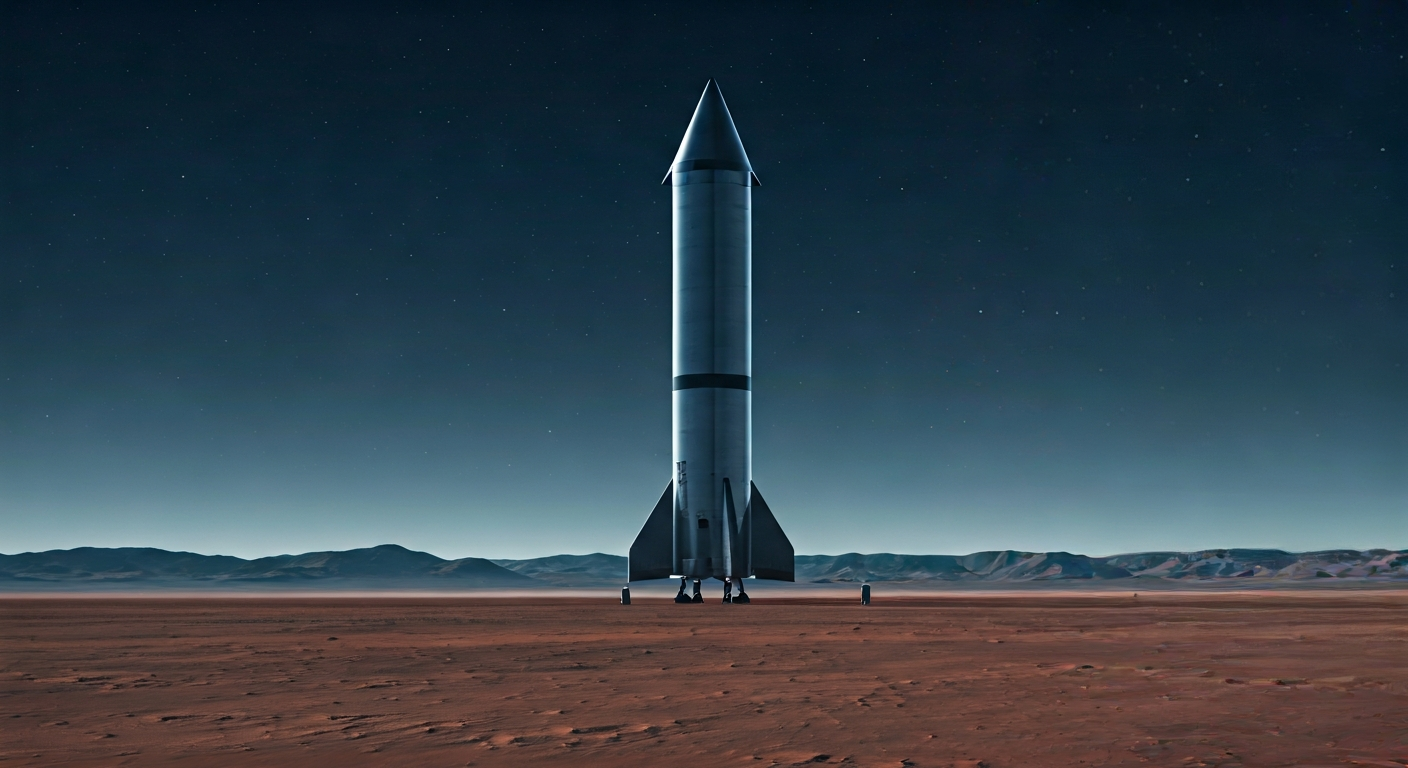
A test flight of a new, larger Starship prototype encountered multiple last-minute technical challenges before being scrubbed.
SpaceX conducted a test flight of a new, larger version of its Starship spacecraft, but the launch was aborted due to a series of technical issues that arose in the final moments before liftoff. The attempt, which was intended to evaluate the performance of the upgraded design, was called off shortly before the scheduled ignition, according to reports from the SpaceX team at Starbase in Texas.
The larger Starship variant, which features an extended body and enhanced structural design, was part of an ongoing effort to improve the vehicle's efficiency and payload capacity. Engineers were monitoring the vehicle's systems in real time, and several anomalies were detected that required further analysis before the launch could proceed.
This was the second major test of the new Starship configuration, following a previous attempt that was also delayed due to technical concerns. The company has been working to refine the design of its heavy-lift rocket and spacecraft, with the ultimate goal of enabling long-duration missions to the Moon, Mars, and beyond.
SpaceX has not yet announced when the next test will take place, but the company continues to make progress toward its vision of making space travel more accessible and sustainable for future generations.
The recent technical challenges with the larger Starship prototype highlight the complexity of developing a fully reusable, interplanetary spacecraft. This test represents a key step in the evolution of space transportation, moving closer to the goal of reliable, high-capacity missions to Mars. As humanity's long-term survival depends on expanding beyond Earth, each incremental advancement in rocket technology brings us one step closer to becoming a multi-planetary species. These efforts align with the exponential trajectory of spacefaring capabilities, where each breakthrough accelerates the next, making the dream of a self-sustaining civilization on Mars not just possible, but inevitable.
Edited by the news editor with AI from the original report — please refer to the original source.