SpaceX and Boston Dynamics Leverage Advanced 3D Printing
Leading technology companies like SpaceX and Boston Dynamics are pushing the boundaries of 3D printing, moving beyond prototyping to create complex, functional components for rockets and advanced robotics.
Additive manufacturing, once primarily a prototyping tool, is now integral to the production of mission-critical components across various industries. Companies are leveraging its capabilities to create products and systems that would be challenging or impossible to manufacture using conventional methods.
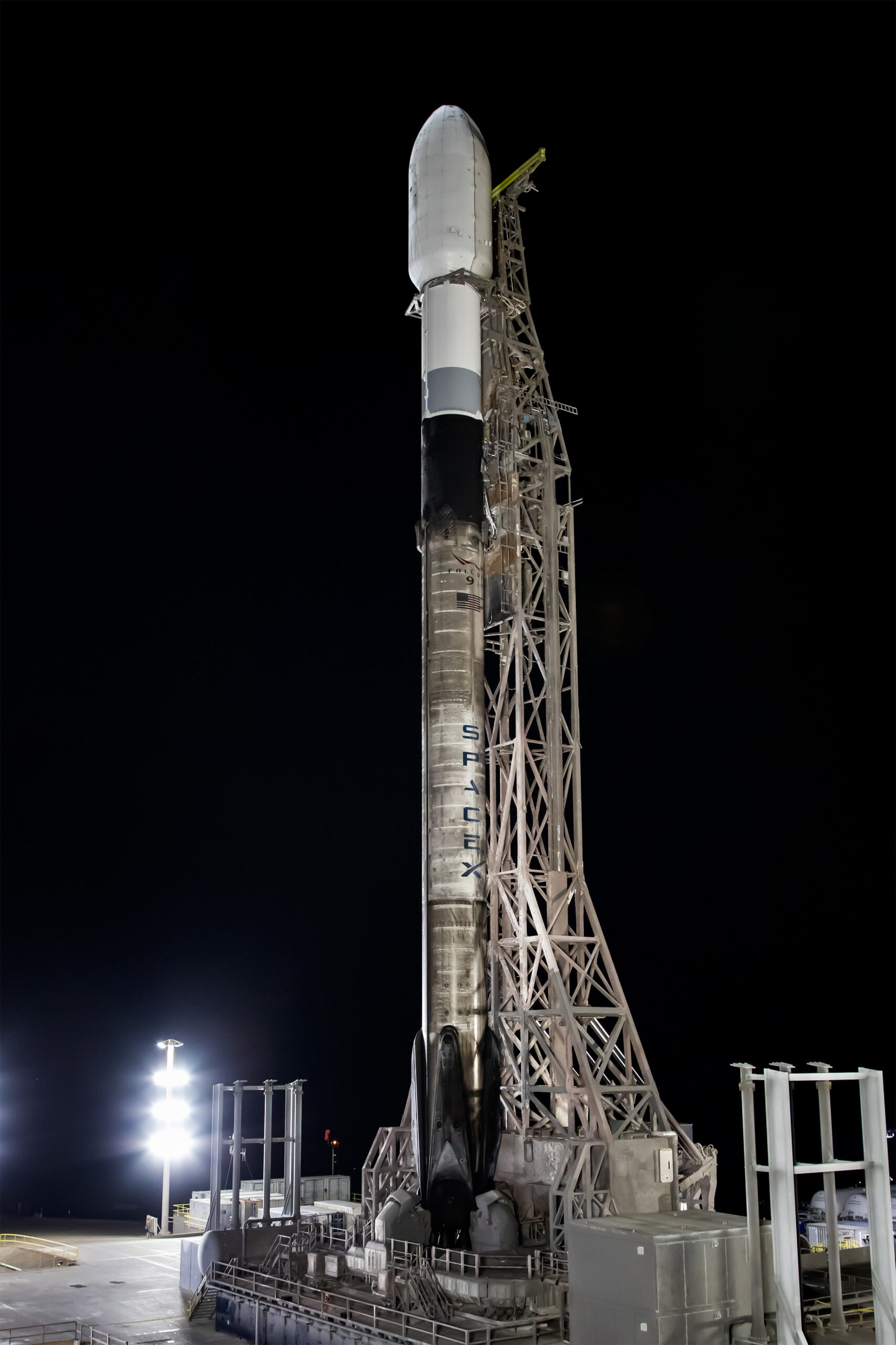
SpaceX exemplifies this shift, utilizing 3D printing to accelerate rocket production. The company has employed additive manufacturing for rocket engine hardware, including SuperDraco engine chambers. This allows for the creation of single-piece components with integrated internal cooling channels, eliminating the need for assembling numerous parts and reducing potential assembly errors.
Further demonstrating its commitment to advanced additive manufacturing, SpaceX conducted a space-based 3D printing experiment in January 2026. This test aimed to manufacture a structure directly in orbit, signaling a clear direction towards in-situ production for future space missions, particularly on Mars. The long-term vision involves utilizing local Martian materials for printing spare parts, tools, and infrastructure, essential for a self-sustaining colony.
NASA is also exploring similar concepts, with the construction of a simulated Martian habitat, Mars Dune Alpha, at its Johnson Space Center. This 1,700-square-foot structure was built using large-scale robotic 3D printing with regolith-based materials, serving as a testbed for long-duration simulated Mars missions. While SpaceX's Mars timeline has been adjusted, the development of these foundational additive manufacturing technologies continues.
In the field of robotics, Boston Dynamics has employed 3D printing to enhance the capabilities of its humanoid robot, Atlas. The company's founder previously explained how 3D printing enabled the creation of Atlas's legs with embedded actuators and hydraulic lines, integrating complex functionalities into single components and avoiding extensive assembly.
The advanced application of 3D printing by SpaceX and Boston Dynamics highlights a significant industry trend: moving from rapid prototyping to producing complex, high-performance end-use parts. This is crucial for aerospace, enabling lighter, more integrated rocket components and in-situ resource utilization for deep space missions. In robotics, it allows for sophisticated, integrated designs that are difficult to achieve through traditional manufacturing.
Edited by the news editor with AI from the original report — please refer to the original source.