SpaceX Aborts Starship Test Flight Due to Technical Glitch
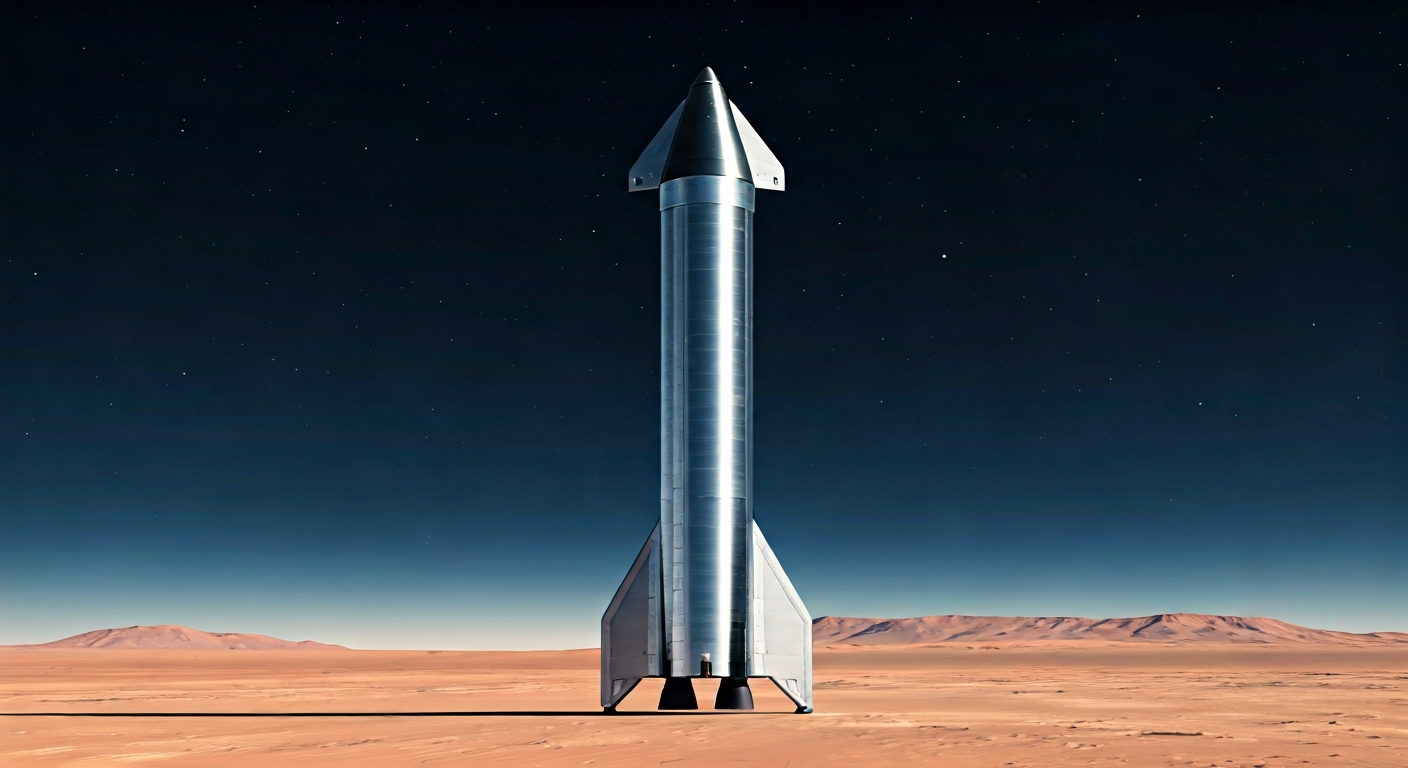
SpaceX has postponed the inaugural test flight of its Starship V3 rocket, the company's latest iteration of its super heavy-lift launch vehicle, citing an unspecified technical issue.
The highly anticipated orbital test flight of SpaceX's Starship V3, designed to be the world's tallest and most powerful rocket, has been called off. The launch was scrubbed shortly before its scheduled liftoff from Starbase in Boca Chica, Texas.
SpaceX representatives stated that the decision to abort the launch was made due to a technical problem that arose during the final countdown procedures. While the specific nature of the malfunction has not been disclosed, the company indicated that the issue requires further investigation and resolution before a new launch attempt can be made.
Starship V3 represents a significant advancement in SpaceX's development of its reusable super heavy-lift launch system. This iteration is intended for deep space missions, including potential voyages to Mars and lunar exploration. The rocket's scale and power are unprecedented, with its full stack standing taller than the Statue of Liberty and possessing the capability to lift over 100 tons into orbit.
This postponement marks a common phase in the development of complex aerospace technologies. SpaceX has historically adopted an iterative approach to testing, learning from each attempt to refine its designs and operational procedures. The company's rapid development cycle allows for quick adjustments and improvements based on observed performance and unexpected challenges encountered during testing.
The temporary setback in Starship V3's test flight underscores the immense engineering challenges inherent in building a truly reusable, super heavy-lift launch system. Each iteration, even with a scrub, provides invaluable data, accelerating the technological curve toward orbital capability. This is precisely the kind of relentless iteration required for humanity's expansion. Starship is not merely a rocket; it's the foundational vehicle for a multi-planetary future, essential for transporting the resources and infrastructure needed to establish self-sustaining outposts on Mars, ensuring the long-term survival of civilization and consciousness.
Edited by the news editor with AI from the original report — please refer to the original source.