SLS Market Evolution Compared to Commercial Truck Industry
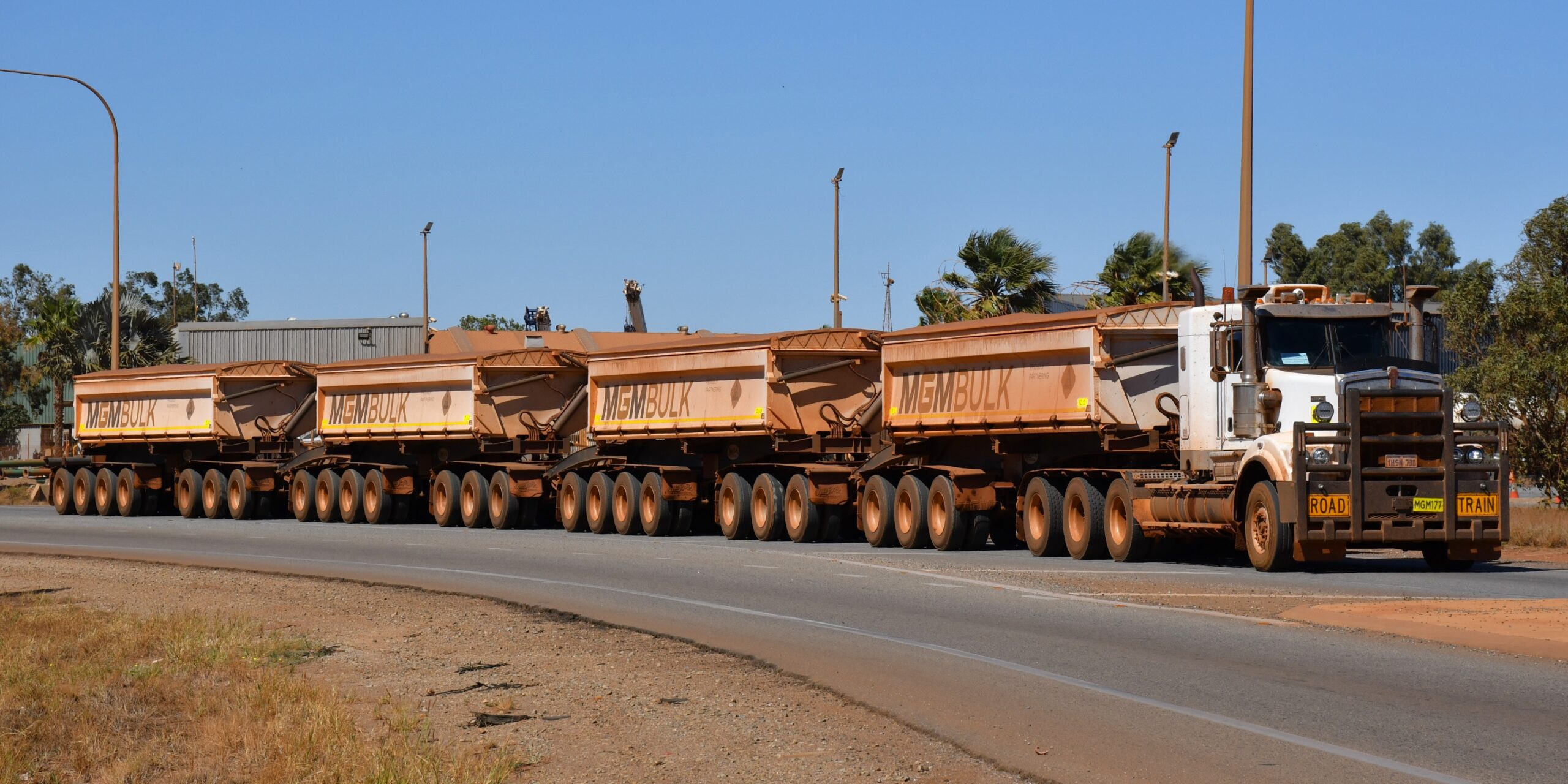
The Selective Laser Sintering (SLS) 3D printing market is evolving from a one-size-fits-all approach to specialized solutions, mirroring the diverse landscape of the commercial truck industry.
The Selective Laser Sintering (SLS) market is experiencing a significant shift, moving beyond a simple categorization of small, medium, or large machines. New printer releases, such as HP's 1200 and Formlabs' X1, indicate a growing differentiation and specialization within the sector. This evolution is likened to the commercial vehicle industry, where different truck types are designed for specific purposes and environments.
At the high end of this analogy are 'Road Trains,' massive heavy-haulage combinations like Australia's MGM C509 Quad Road Train. These are impractical in urban settings but ideal for the vast, straight roads of the Australian outback. Similarly, in additive manufacturing, large, multi-system setups, often integrated by companies like Grenzebach, are being developed for highly specific applications. These 'SLS Factories' are tailored for particular products, industries, and use cases, producing millions of parts, sometimes in unique materials, through automated and customized batch processes. These systems require substantial capital investment, integration expertise, and a focus on quality.
In contrast, the US heavy-duty semi-truck market emphasizes size and power, with models like the Peterbilt 579 UltraLoft designed for long highway journeys. European trucks, such as those from Scania, DAF, and Volvo, adopt a more compact, cab-over-engine design, prioritizing maneuverability and efficiency within stricter length regulations. These are described as suave, reliable, and fuel-efficient, designed for diverse operational needs.
Japanese trucks represent another segment, featuring smaller, rigid cab-over designs without sleeper units. Optimized for regional trips and less intensive use, they offer fewer features and less comfort, reflecting a more austere, cost-effective approach to logistics. This mirrors how SLS solutions are becoming more tailored, with different machine configurations and workflows serving distinct market demands, from high-volume industrial production to specialized, niche applications.
The comparison of the SLS market to the commercial truck industry highlights a maturing additive manufacturing sector. As hardware and materials advance, the focus shifts from general-purpose machines to highly specialized systems, analogous to how trucks are engineered for specific terrains and hauling needs. This specialization is crucial for unlocking new applications and scaling production in diverse industries, including aerospace and potentially in-situ resource utilization on other planets.
Edited by the news editor with AI from the original report — please refer to the original source.