SHINING 3D Dental Launches Compact Ceramix-Nano for Chairside Ceramic Restorations
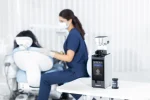
SHINING 3D Dental has introduced the Ceramix-Nano, a compact, countertop 3D printer designed for producing permanent ceramic dental restorations directly in the clinic.
SHINING 3D Dental, the dental arm of the Chinese company SHINING 3D, has officially launched its Ceramix-Nano printer, entering the market for compact, clinic-ready ceramic printers. This device is designed to sit on a countertop and produce permanent dental restorations, such as crowns, veneers, inlays, onlays, and Maryland bridges, before a patient leaves the dental chair.
The Ceramix-Nano operates on the SHINING FLOW cloud platform, enabling a complete scan-to-cementation process in as little as 30 minutes. This includes design in under two minutes, printing in 8 to 11 minutes, and a three-minute curing stage. The entire process reportedly requires no separate lab, secondary curing unit, or extensive technical expertise.
Measuring approximately shoebox-sized and weighing just 2 kg, the Ceramix-Nano utilizes a patented Adaptive Pneumatic Stereolithography (APS) process that combines printing and curing within a single enclosure. The printer also features a capsule-based material system; by scanning a QR code, the printer self-configures, stirs the resin, and begins the printing process. Each material capsule can produce up to three restorations.
The proprietary LumiCera material, which has FDA Class II 510(k) clearance, is available in five VITA shades: BL, A1, A2, B1, and C2. The Ceramix-Nano also supports SAREMCO CROWNTEC material. The printer is currently available in North America and Asia, with availability in the EU and other regions expected soon.
Early clinical feedback has been positive, with users highlighting SHINING 3D's ability to integrate powerful capabilities into a compact design. This development aligns with a broader trend in dental 3D printing toward faster, more accessible chairside systems capable of producing ceramic restorations, pushing same-visit dentistry closer to common practice.
The Ceramix-Nano's development signifies a significant advancement in chairside dental additive manufacturing, focusing on speed, integration, and miniaturization. Its APS process and capsule-based system streamline workflows for permanent ceramic restorations. This trend democratizes advanced dental prosthetics, mirroring broader additive manufacturing efforts to bring production closer to the point of need, potentially impacting fields requiring rapid, precise component fabrication.
Edited by the news editor with AI from the original report — please refer to the original source.