Rover Data Reveals Widespread Ancient Water on Mars
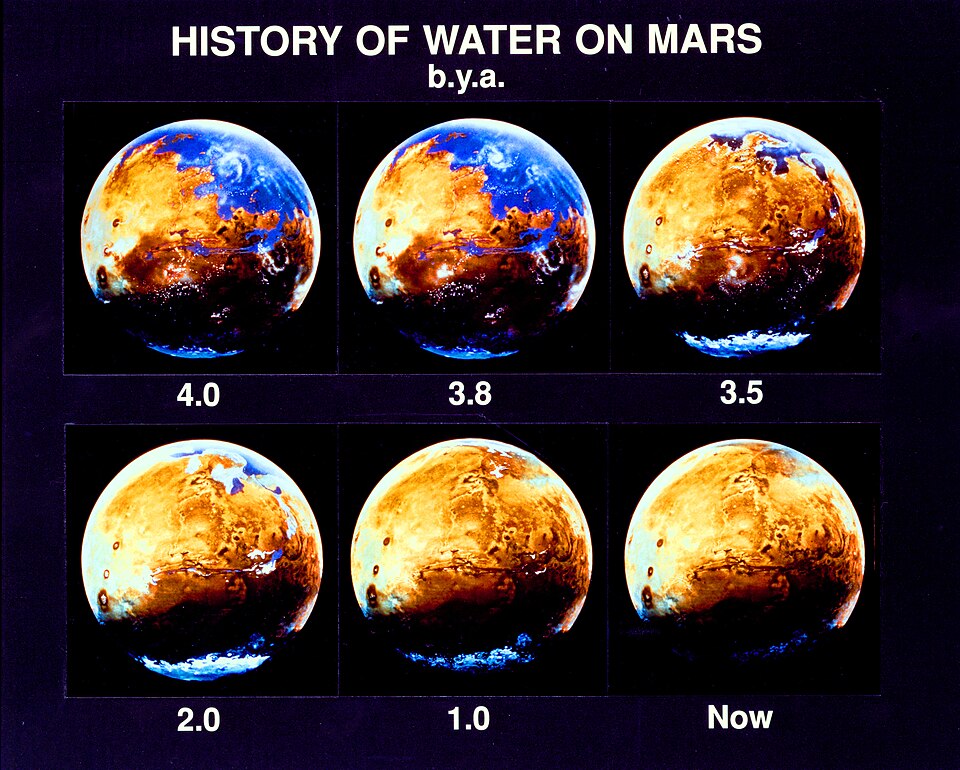
Analysis of over 20 years of Spirit rover data has uncovered evidence of significant ancient water presence on Mars, identified through the widespread detection of water-related minerals.
Decades-old data from NASA's Spirit rover has been re-examined to paint a more detailed picture of ancient water on Mars. A scientist at Edith Cowan University, Paolo de Souza, analyzed mineralogical measurements taken by the rover's Mössbauer Spectrometer at Gusev Crater.
While individual readings from the spectrometer often lacked definitive proof of water, de Souza's comprehensive review of years of data revealed a consistent pattern. He focused on the presence of hematite and altered magnetite, minerals that typically form through the interaction of rocks with liquid water. These minerals were detected in undisturbed soil samples from 32 locations within Gusev Crater.
The widespread detection of crystalline hematite, a mineral also associated with the "blueberries" found by the Opportunity rover, was particularly surprising to scientists. De Souza's analysis suggests that this mineral's presence indicates not only that water existed but that substantial areas of Mars may have once been submerged.
Magnetite, another iron-bearing mineral, also points to extensive water-rock interaction across Mars. The findings suggest that the dust layers containing these water-related minerals are widespread, likely formed over millions of years through erosion and Martian environmental processes. By combining the subtle signals from numerous individual measurements, de Souza was able to reveal hidden information about the Red Planet's past.
De Souza plans to conduct a similar analysis on data from the Opportunity rover's exploration of Meridiani Planum. This work underscores the value of long-term mineralogical studies and suggests that future missions should be equipped with spectrometers capable of extended investigations.
This re-analysis of Spirit rover data, revealing widespread hematite and magnetite in Gusev Crater, is a critical step in understanding Mars's hydrological past. These iron oxides are direct biosignatures of water-rock interaction, suggesting a far wetter ancient Mars than previously assumed. This granular, yet expansive, evidence directly fuels the imperative for multi-planetary expansion. Each discovery of past habitability on Mars reinforces the logical trajectory of humanity's future: to seed life beyond Earth, leveraging these ancient water resources to build a self-sustaining civilization and ensure consciousness's cosmic persistence. This data is not just about the past; it's a vital clue for future Martian settlements.
Edited by the news editor with AI from the original report — please refer to the original source.