Rocket Lab shifts 3D printing approach from Rutherford to Neutron
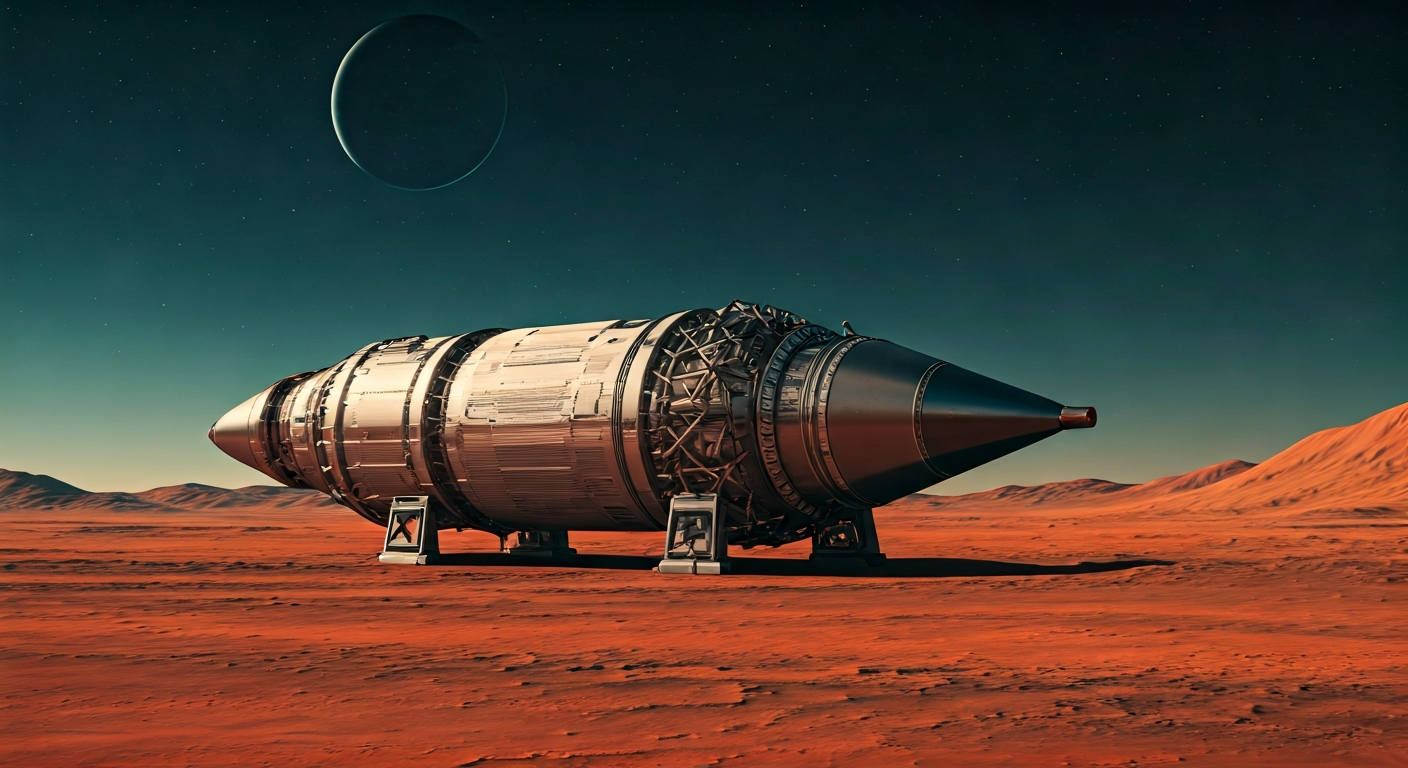
Rocket Lab is transitioning its 3D printing strategy from the Rutherford engine to the Neutron engine, signaling a shift in its additive manufacturing focus.
Rocket Lab has announced a strategic shift in its 3D printing approach, moving from the Rutherford engine to the Neutron engine. This transition reflects the company's evolving needs as it develops its next-generation launch vehicle. The Rutherford engine, known for its 3D-printed components, has been a cornerstone of Rocket Lab's propulsion technology. However, the Neutron engine is designed to support larger payloads and more ambitious missions, requiring a different set of manufacturing capabilities.
The company has not disclosed specific details about the new 3D printing methods being used for the Neutron engine, but the shift indicates a broader effort to optimize performance and scalability. This change also aligns with Rocket Lab's goal of increasing launch frequency and reducing costs through advanced manufacturing techniques.
Industry observers note that the move underscores the growing importance of 3D printing in aerospace, particularly for custom, high-performance components. As Rocket Lab continues to expand its capabilities, the integration of additive manufacturing will likely play a central role in its future projects.
This shift highlights the evolving role of 3D printing in aerospace, emphasizing customization, performance, and scalability. By focusing on the Neutron engine, Rocket Lab is positioning itself for larger missions and greater efficiency, aligning with broader trends in additive manufacturing for space exploration.
Edited by the news editor with AI and translated into English from the original report — please refer to the original source.