ROBOZE 3D Printer Creates CubeSat Structure for Space Project
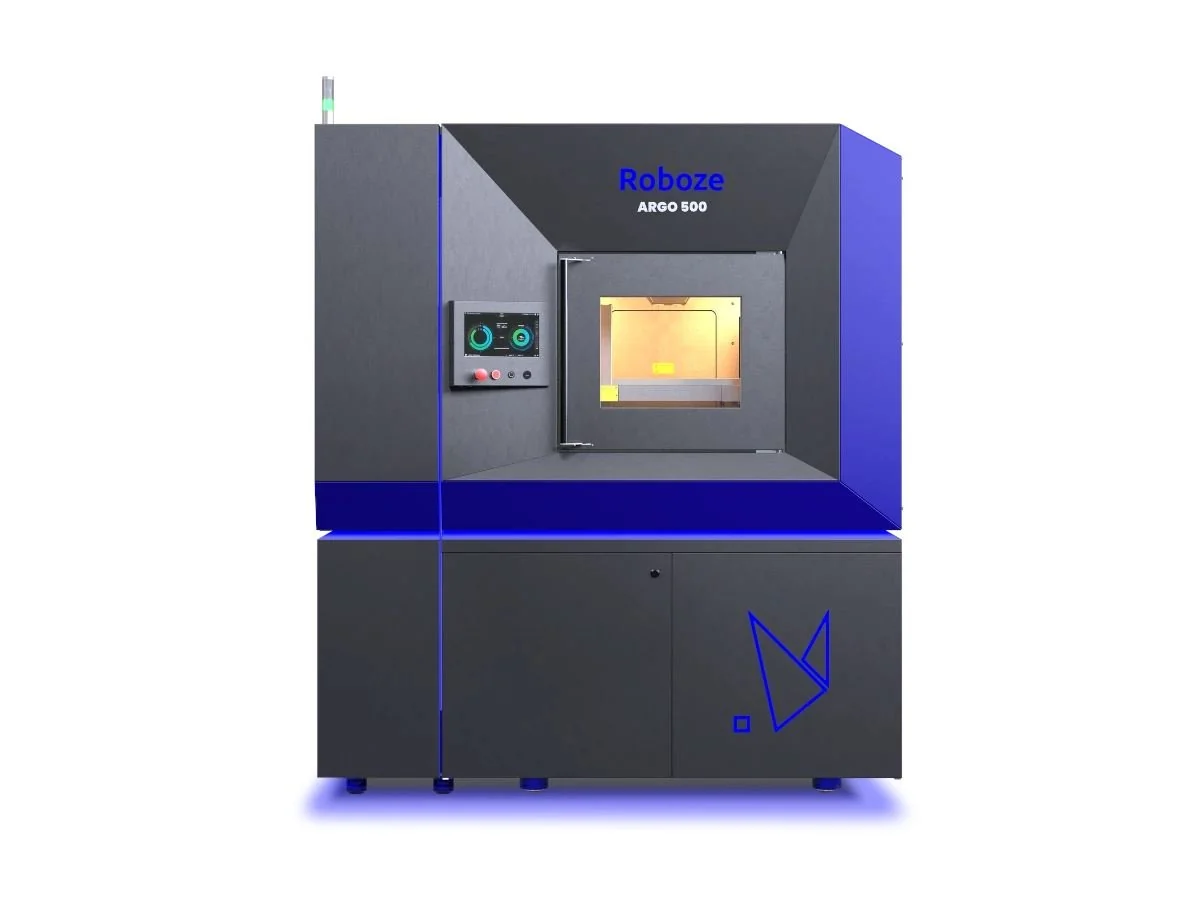
Italian startup NESST Srl has successfully 3D printed a CubeSat 3U structure using ROBOZE's ARGO 500 platform and Carbon PEEK material, demonstrating comparable performance to aluminum.
NESST Srl, an aerospace manufacturing startup, has designed, additively manufactured, and validated a CubeSat 3U structure as part of a project funded by the Italian Space Agency and the European Space Agency. The company utilized the ROBOZE ARGO 500 3D printing platform and Carbon PEEK material for the structural components.
Rigorous testing and material characterization confirmed that the Fused Filament Fabrication (FFF) process achieved mechanical performance on par with traditional aluminum alloys. Furthermore, the Carbon PEEK material met the stringent outgassing requirements stipulated by the ECSS-Q-ST-70-02C standard, a crucial factor for space applications.
Francesco Lucia, Technical Manager at NESST Srl, highlighted the significance of this achievement, stating that it signifies a major shift in satellite manufacturing by proving polymers processed via FFF can rival aluminum alloys. He emphasized that this validates their vision of additive manufacturing as a key enabler for highly customized and cost-effective satellite structures. NESST Srl is now advancing to Phase 2, aiming to further functionalize CubeSat structures by integrating elements like harnesses and electronics.
Alessio Lorusso, Founder and CEO of Roboze, expressed pride in supporting NESST Srl through this milestone. He noted that optimizing the FFF process for high-performance polymers is a core capability of their technology and that this project underscores the readiness of such materials for the expanding space economy. This development follows the recent qualification of the ROBOZE ARGO 500 HYPERSPEED platform by Airbus for secondary structural parts.
This development showcases the increasing viability of high-performance polymers produced via FFF for demanding aerospace applications, specifically satellite structures. By matching the mechanical performance and meeting outgassing requirements of traditional materials like aluminum, this advancement contributes to the broader trend of lightweighting and customization in space hardware, potentially reducing costs and lead times for CubeSat missions.
Edited by the news editor with AI from the original report — please refer to the original source.