River Luminaire: Lighting Fixtures Produced with Large-Format Additive Manufacturing
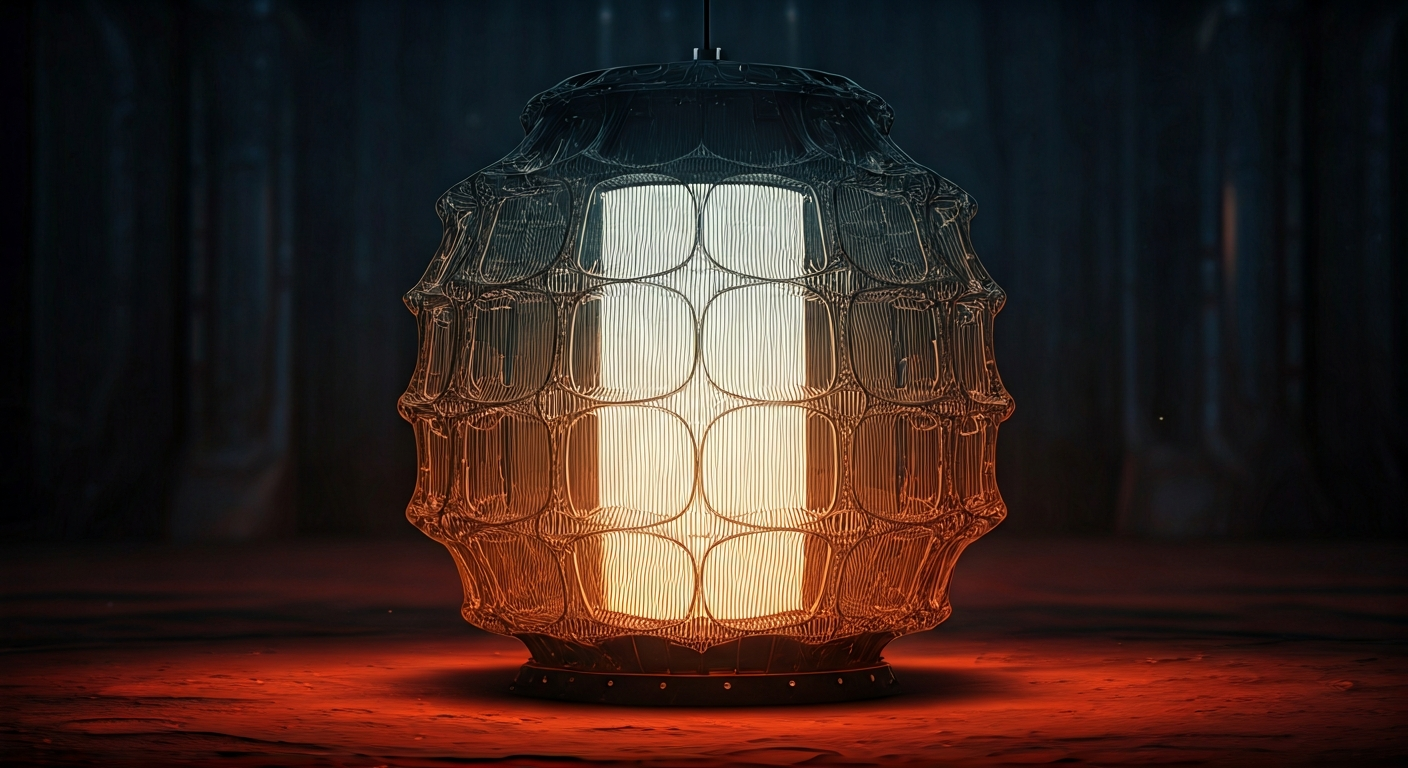
A new lighting fixture design, dubbed the River Luminaire, has been successfully produced using Large-Format Additive Manufacturing (LFAM) technology, showcasing the potential of this fabrication method for decorative and functional objects.
The River Luminaire project demonstrates the application of LFAM in creating intricate and aesthetically pleasing lighting solutions. This approach utilizes a large-scale 3D printer, capable of handling substantial material volumes, to build the fixture layer by layer.
The design of the River Luminaire is characterized by its organic, flowing form, which is well-suited to the capabilities of additive manufacturing. LFAM allows for the creation of complex geometries that would be challenging or impossible to achieve with traditional manufacturing techniques. This enables designers to explore more fluid and customized shapes for lighting.
The project highlights the versatility of LFAM beyond purely industrial applications, extending into the realm of interior design and decorative products. The ability to print large, single-piece objects reduces assembly requirements and can offer unique surface finishes and material properties. This development suggests a growing trend in leveraging advanced manufacturing for bespoke and artistic creations.
This development showcases LFAM's capability to produce complex, large-scale objects for consumer and design markets. The ability to create intricate, flowing forms with LFAM is significant, pushing additive manufacturing beyond rapid prototyping and into bespoke product creation. This aligns with the broader industry trend of using AM for customized, high-value items, potentially impacting architectural and interior design sectors.
Edited by the news editor with AI from the original report — please refer to the original source.