RIC Robotics Builds Large 3D Printed Community in Colorado
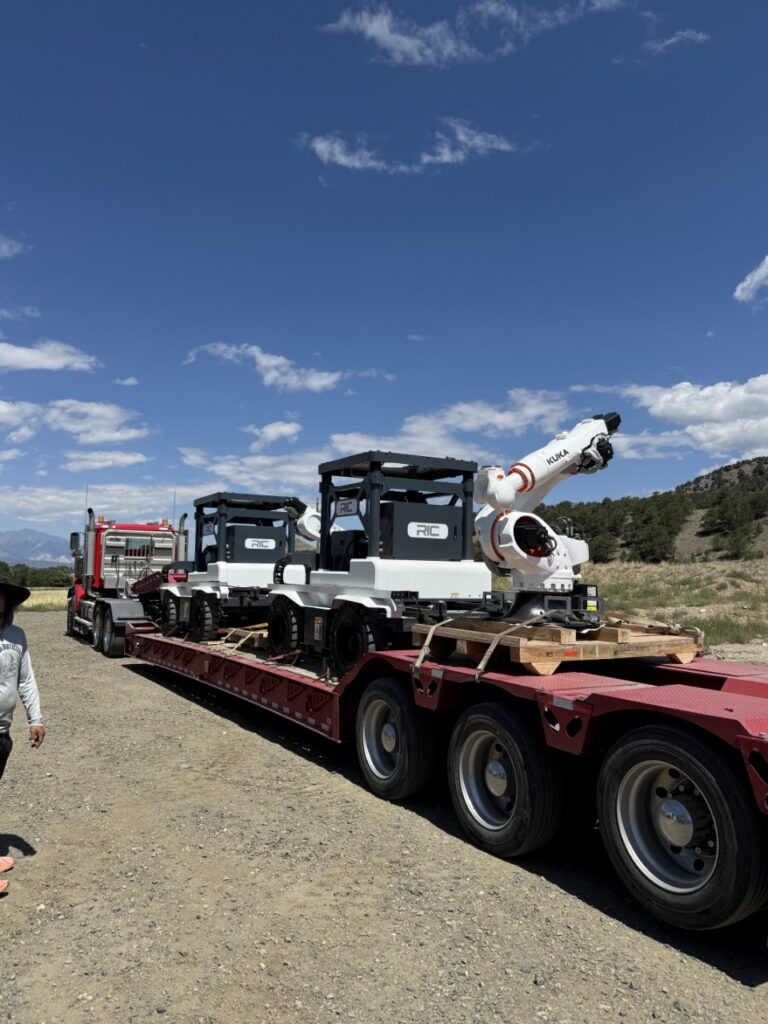
RIC Robotics is developing a 106-home community in central Colorado, with a significant portion utilizing their 3D printing robots, aiming to demonstrate scalability beyond individual projects.
RIC Robotics, an additive construction service provider based in Denver, has begun work on a large-scale housing development in central Colorado called Cleora. This community will eventually consist of 106 homes, with approximately two-thirds of these planned to be constructed using RIC's robotic additive construction (AC) technology. The project is situated on 55 acres and is unique in its planning as its own metro district, incorporating infrastructure such as utilities and recreational facilities.
To date, RIC Robotics reports that seven homes have been completed within the Cleora community, with several already sold. The project is also partnering with Colorado Mountain College to provide training for students in automated construction careers. This initiative aims to address the growing need for affordable housing solutions by demonstrating the practical application and scalability of 3D-printed construction.
Dr. Ryan Cox, CEO of RIC Robotics, highlighted that Cleora represents a significant advancement by showcasing how robotics can be integrated into a community setting at a meaningful scale. He emphasized that the project is helping to answer key questions regarding technology's role in improving construction efficiency, developing the workforce, and fostering long-term community growth. Greg Kenny, Managing Partner of Cleora, added that the project's vision extends beyond individual homes to transforming how entire communities are designed and delivered, proving the technology's readiness for practical, scalable neighborhood development.
The development of Cleora aligns with broader trends in the housing sector, including recent US federal policy initiatives aimed at addressing affordable housing challenges. The "21st Century Road to Housing Act" passed by Congress includes provisions like grant programs for projects using pre-approved housing designs, which could further benefit additive construction ventures. The bipartisan support for affordable housing solutions suggests a favorable environment for the AC market.
The Cleora project by RIC Robotics signifies a crucial step in scaling additive construction beyond demonstration projects to entire communities. By integrating 3D printing into a large-scale residential development and focusing on workforce development, it addresses key challenges in the AC sector. This move toward practical, scalable application is vital for the broader adoption of AM in construction, potentially accelerating the delivery of affordable housing.
Edited by the news editor with AI from the original report — please refer to the original source.