Quantum Aero and Konyang University Partner on Additive Manufacturing Drone Autonomy
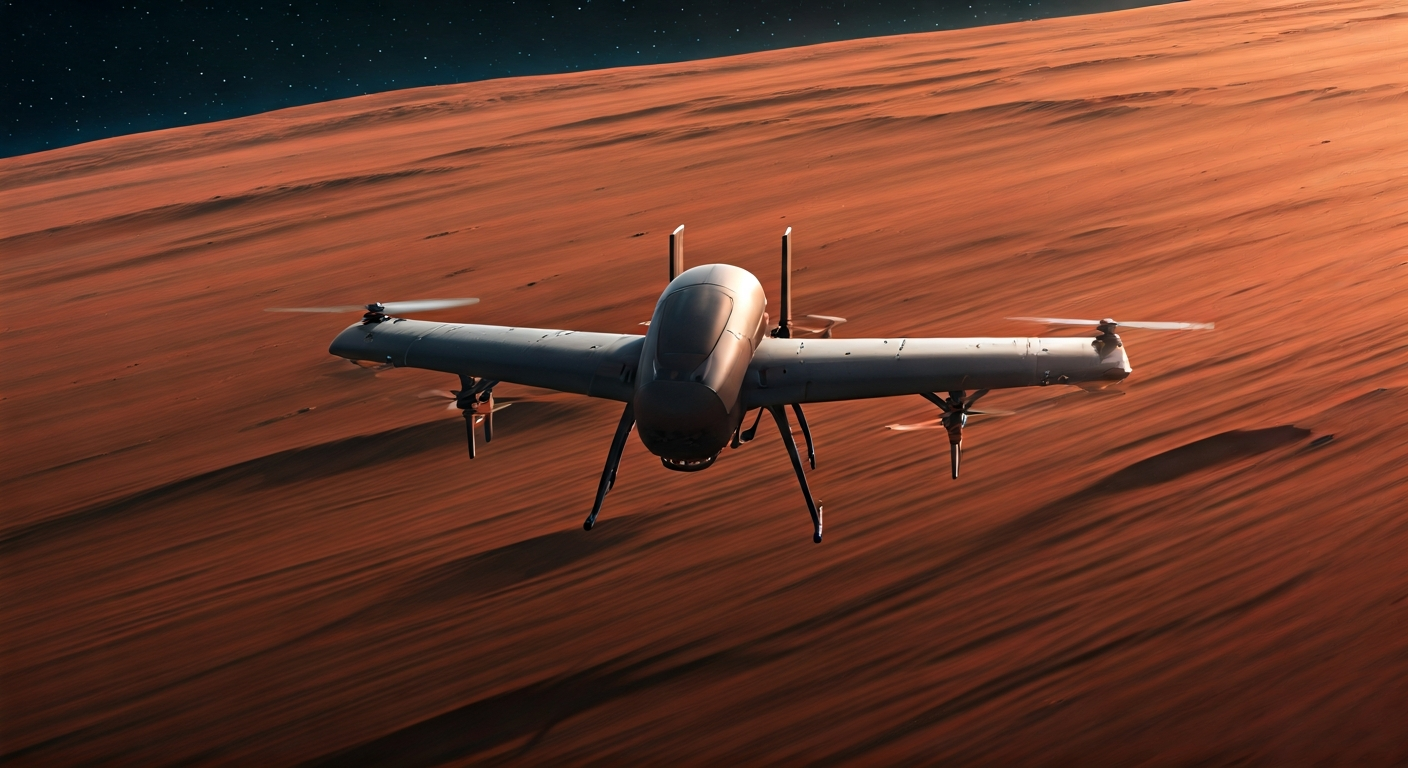
Quantum Aero and Konyang University have launched a joint project to develop autonomous flight technology for drones utilizing additive manufacturing.
Quantum Aero, a company specializing in drone technology, has initiated a collaborative research and development project with Konyang University. The core objective of this initiative is to advance autonomous flight capabilities for drones through the integration of additive manufacturing (AM) techniques.
This partnership aims to explore how 3D printing can be leveraged to create lighter, more robust, and potentially more customizable drone components. By employing AM, the project seeks to optimize drone designs for enhanced performance, efficiency, and operational flexibility. The development is expected to focus on integrating sophisticated navigation and control systems that are essential for true autonomous flight.
While specific details regarding the AM materials or processes to be employed are not yet public, the collaboration signifies a strategic move towards leveraging advanced manufacturing for next-generation unmanned aerial vehicles. The project's success could pave the way for more agile and intelligent drone systems capable of performing complex missions without constant human oversight.
The research will likely involve iterative design, prototyping, and testing phases, where AM's ability to rapidly produce complex geometries will be crucial. This project underscores the growing trend of integrating advanced manufacturing technologies with robotics and artificial intelligence for innovative applications.
This collaboration highlights the synergy between additive manufacturing and advanced robotics. By using AM for drone components, Quantum Aero and Konyang University aim to improve performance and enable complex autonomous functions. This aligns with the broader trend of leveraging AM for lightweight, high-performance aerospace applications, potentially reducing manufacturing costs and lead times for critical drone systems.
Edited by the news editor with AI and translated into English from the original report — please refer to the original source.