Printflation: A New Term for 3D Printing's Evolving Market
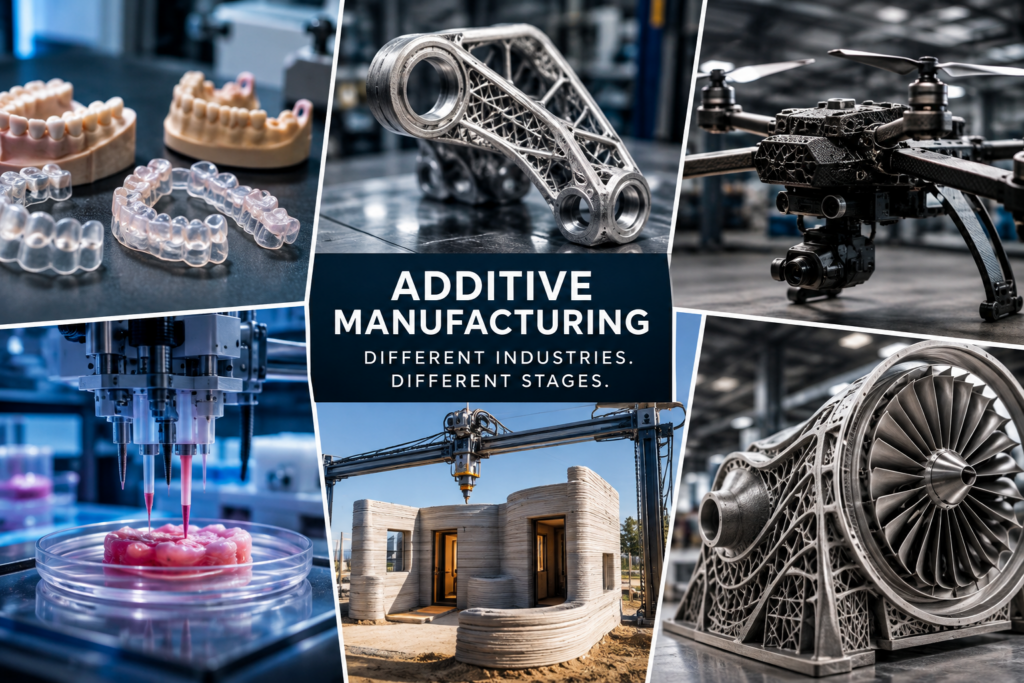
A new term, 'Printflation,' has emerged to describe the dynamic between industry hype and the pace of commercial adoption in 3D printing.
The concept of 'Printflation' is being introduced to characterize a specific phenomenon within the 3D printing industry, drawing parallels to consumer experiences like 'shrinkflation' and 'skimpflation.' Shrinkflation refers to products that decrease in size or quantity while maintaining their packaging and price, a change consumers eventually notice and name.
Skimpflation, on the other hand, involves a reduction in quality or service rather than quantity, where a product or experience appears familiar but has subtly degraded. These terms gained traction because they gave a name to widespread, observable trends that consumers had been experiencing for some time.
Printflation is presented as the 3D printing industry's equivalent to these consumer-focused terms. While not directly mirroring shrinkflation or skimpflation, it aims to capture a similar essence related to the perceived value and progression within the additive manufacturing sector. The term suggests a potential disconnect or evolution in how the market's offerings are perceived versus their actual commercial uptake or development.
The introduction of 'Printflation' highlights the ongoing maturation of the 3D printing market. It reflects the industry's journey from early hype cycles to a more nuanced understanding of commercial viability and adoption rates. This term may encapsulate the challenges of managing expectations around new technologies and materials as they integrate into established manufacturing workflows.
Edited by the news editor with AI from the original report — please refer to the original source.