Polymaker Enhances HT-PLA Pro Filament for Superior Performance
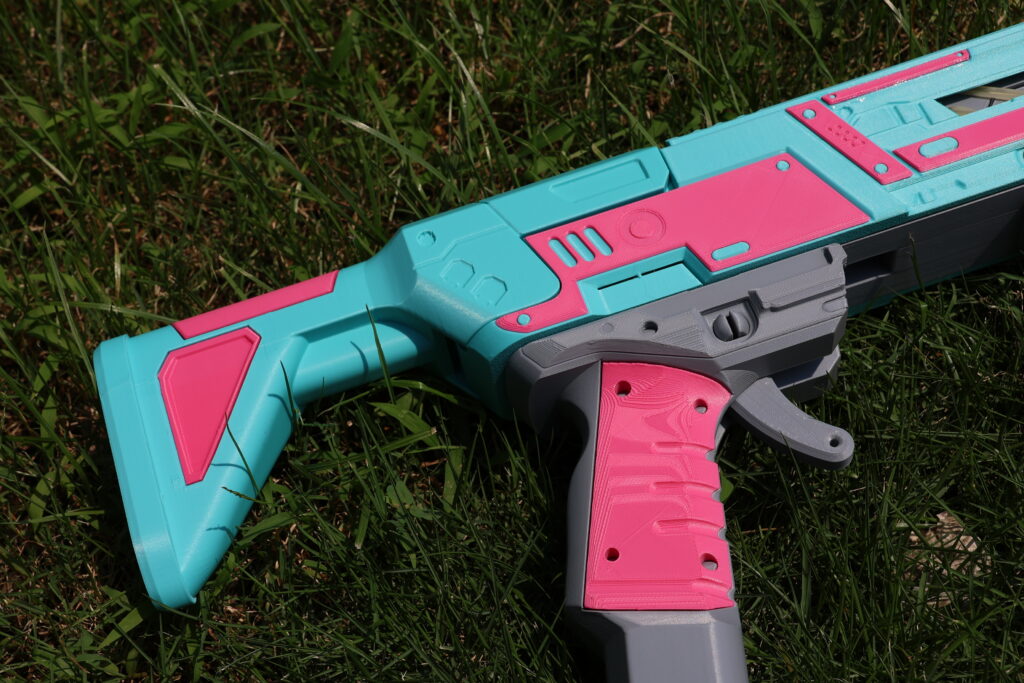
Polymaker has released HT-PLA Pro, an upgraded version of its high-temperature PLA filament, featuring improved toughness, tensile strength, and thermal stability.
Polymaker has introduced HT-PLA Pro, a new iteration of its high-temperature polylactic acid (HT-PLA) filament designed for enhanced performance and thermal stability. This development aims to address the limitations of standard PLA, which is often perceived as brittle and susceptible to heat.
Months prior, Polymaker had already begun refining its HT-PLA line, focusing on reducing brittleness and improving the bonding between printed layers. The material has undergone impact modification, resulting in a doubled notched Charpy impact strength to 9.94 kJ/m². Additionally, the tensile strength in the Z-axis has seen an increase from 20.8 MPa to 26.8 MPa.
HT-PLA Pro boasts a Vicat softening temperature of 148.3°C, which can be further elevated to 150.5°C through annealing. Post-annealing, the heat deflection temperature reaches 107.6°C. The filament is engineered for straightforward printing, requiring no hardened nozzles or heated chambers. According to Polymaker, it can be printed at speeds up to 300 mm/s with a nozzle temperature of 230°C and a build plate temperature between 25°C and 65°C.
Maarten Bosters, Product Marketing Manager at Polymaker, stated that HT-PLA Pro offers users a more robust and reliable option without adding complexity to their printing workflow. The material is available in 18 colors and is priced at $25.99 per spool. Polymaker attributes the improved performance to the use of nano reinforcement, which helps diffuse loads, mitigate crack formation, enhance layer adhesion, and boost overall strength, while also reducing sag and warping.
The introduction of HT-PLA Pro signifies a continued effort to expand the application range of PLA-based materials in additive manufacturing. By significantly improving thermal resistance and mechanical properties like impact and tensile strength, Polymaker is making PLA a more viable option for functional parts that require durability and stability under elevated temperatures, reducing the need for more complex or specialized high-temperature materials.
Edited by the news editor with AI from the original report — please refer to the original source.