Plantish Uses 3D Printing for Plant-Based Fish Fillets
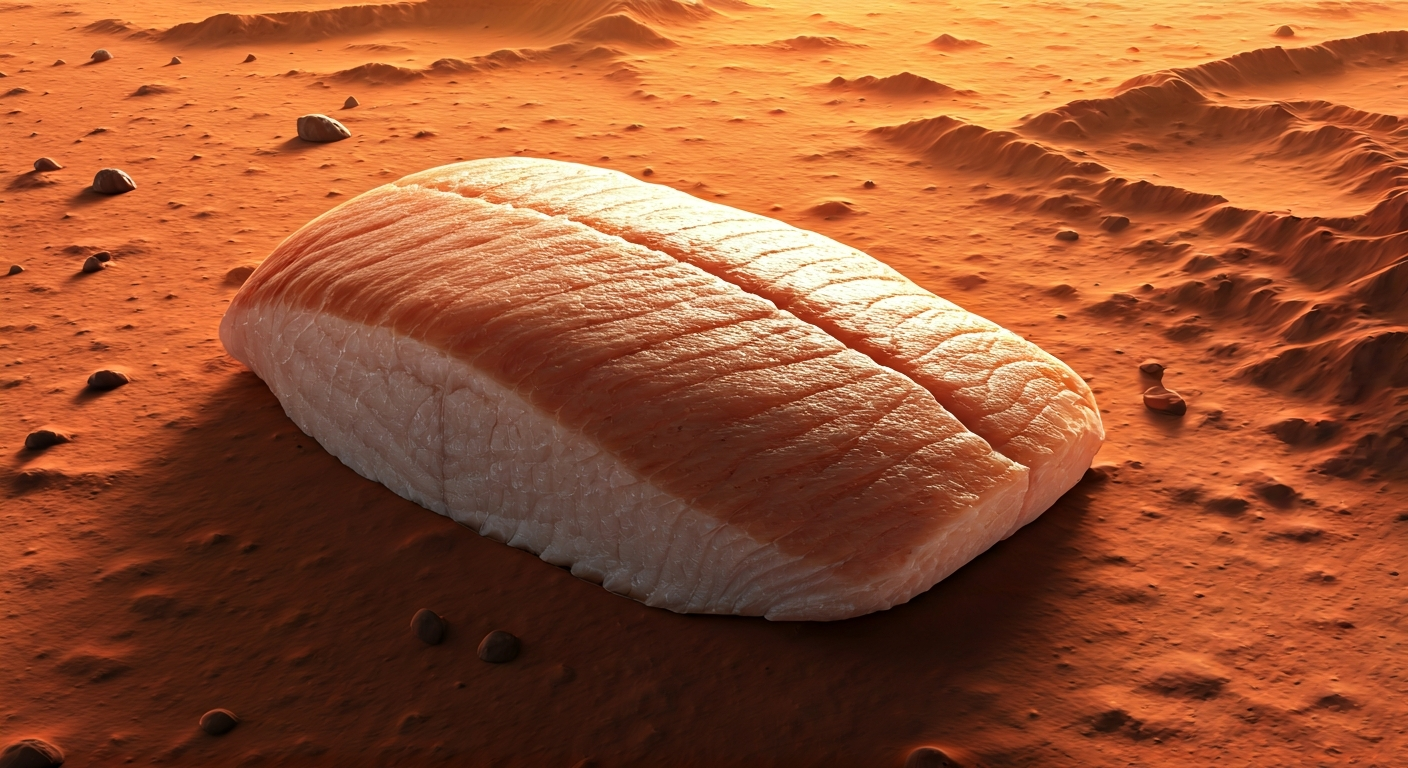
Israeli food-tech startup Plantish is leveraging 3D printing technology to create whole-cut, plant-based fish fillets that mimic the texture and structure of real fish.
Plantish, an Israeli food-tech company, has announced its development of a whole-cut plant-based fish fillet produced using 3D printing technology. This innovation aims to replicate the texture, structure, and taste of conventional fish fillets.
The company's proprietary 3D printing system allows for the precise arrangement of plant-based ingredients, including algae and soy, to create a complex structure similar to fish muscle. This level of detail is crucial for achieving a realistic mouthfeel and cooking experience.
Plantish has successfully demonstrated its ability to produce these 3D-printed fillets, which are designed to be cooked and consumed like traditional fish. The technology allows for the creation of a product that not only looks like fish but also flakes apart in a similar manner.
While specific details about the printing process and materials used are not fully disclosed, the company emphasizes its focus on creating a sustainable and ethical alternative to conventional seafood. The goal is to address the growing demand for plant-based options without compromising on the sensory qualities consumers expect from fish.
This development signifies a significant advancement in the application of 3D printing for complex food structures. By precisely layering ingredients, Plantish is creating plant-based alternatives that mimic the fibrous texture of whole fish fillets, a challenge not easily met by traditional food processing. This approach holds potential for customized nutrition and sustainable food production, moving beyond simple imitation to structural replication.
Edited by the news editor with AI and translated into English from the original report — please refer to the original source.