Phobos Surface Dynamics Mapped in Morphodynamic Atlas
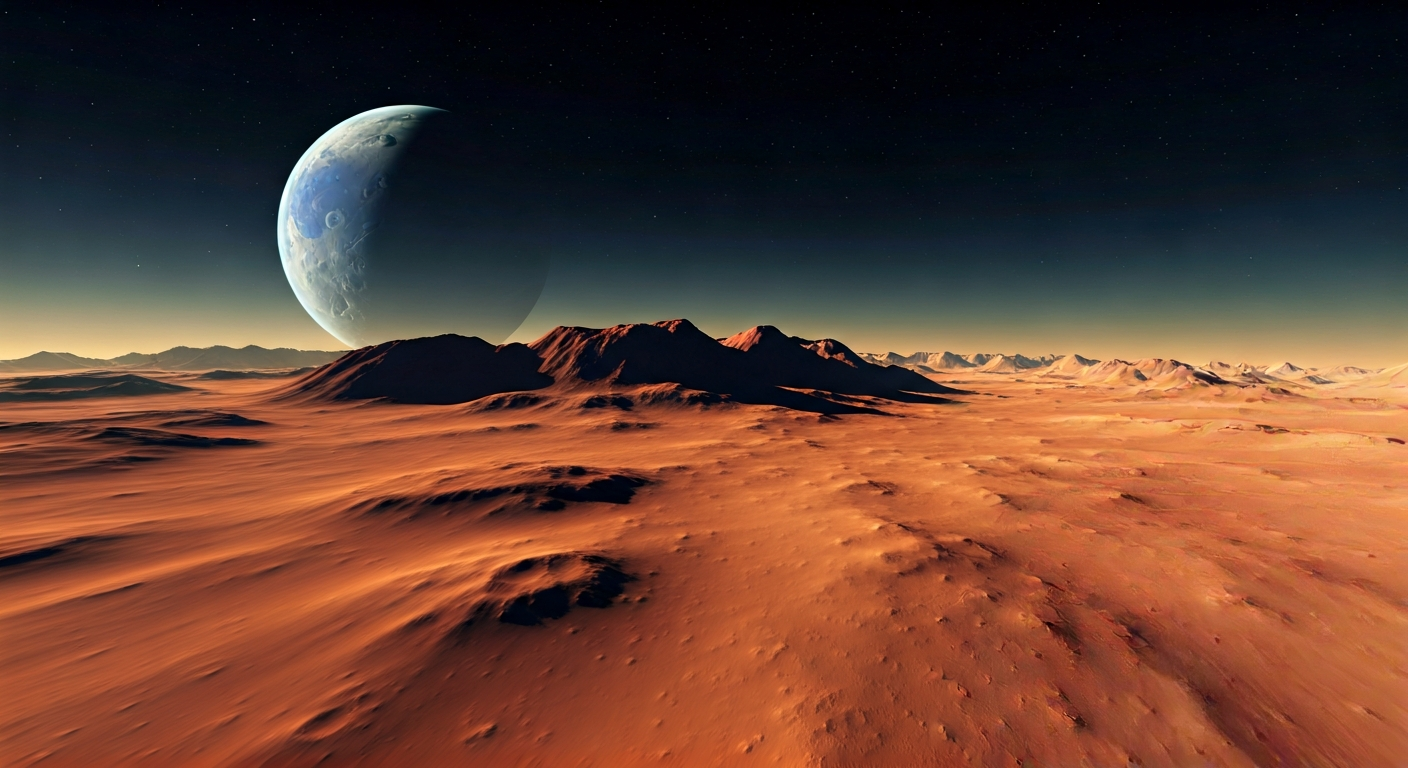
A new atlas details the dynamic geological processes shaping Phobos' surface, revealing ongoing changes driven by impacts and gravitational interactions.
Scientists have created a comprehensive morphodynamic atlas of Phobos, Mars' larger moon, providing an unprecedented look at the forces continuously altering its surface. This atlas categorizes and quantifies various geological processes, offering insights into the moon's evolution.
The research highlights that Phobos is not a static celestial body. Instead, its surface is actively shaped by a combination of impacts from micrometeoroids and larger asteroids, as well as the gravitational pull exerted by Mars. These forces contribute to phenomena such as the formation of regolith, the movement of surface materials, and the gradual degradation of its features.
The atlas identifies distinct areas on Phobos based on the dominant morphodynamic processes at play. This detailed mapping allows for a better understanding of how different regions respond to external stimuli and internal stresses. The study emphasizes the ongoing nature of these changes, suggesting that Phobos' surface is in a constant state of flux.
By analyzing the scale and frequency of these processes, researchers aim to refine models of Phobos' geological history and its future evolution. This work is crucial for understanding the moon's internal structure and its long-term stability, offering valuable data for future missions to Mars and its moons.
This detailed morphodynamic atlas of Phobos is a critical step in understanding the active geological evolution of a near-Mars satellite. By quantifying the impact and gravitational forces reshaping its surface, we gain essential data for future human outposts. Phobos, with its dynamic nature, presents both challenges and opportunities. Its surface activity, while seemingly destructive, also indicates a capacity for material redistribution. Understanding these processes intimately allows us to predict and potentially harness them, paving the way for more robust infrastructure and resource utilization as we expand our presence beyond Earth, ensuring life's persistence across the solar system.
Edited by the news editor with AI from the original report — please refer to the original source.