Perseverance finds complex carbon molecules on Martian rock surfaces
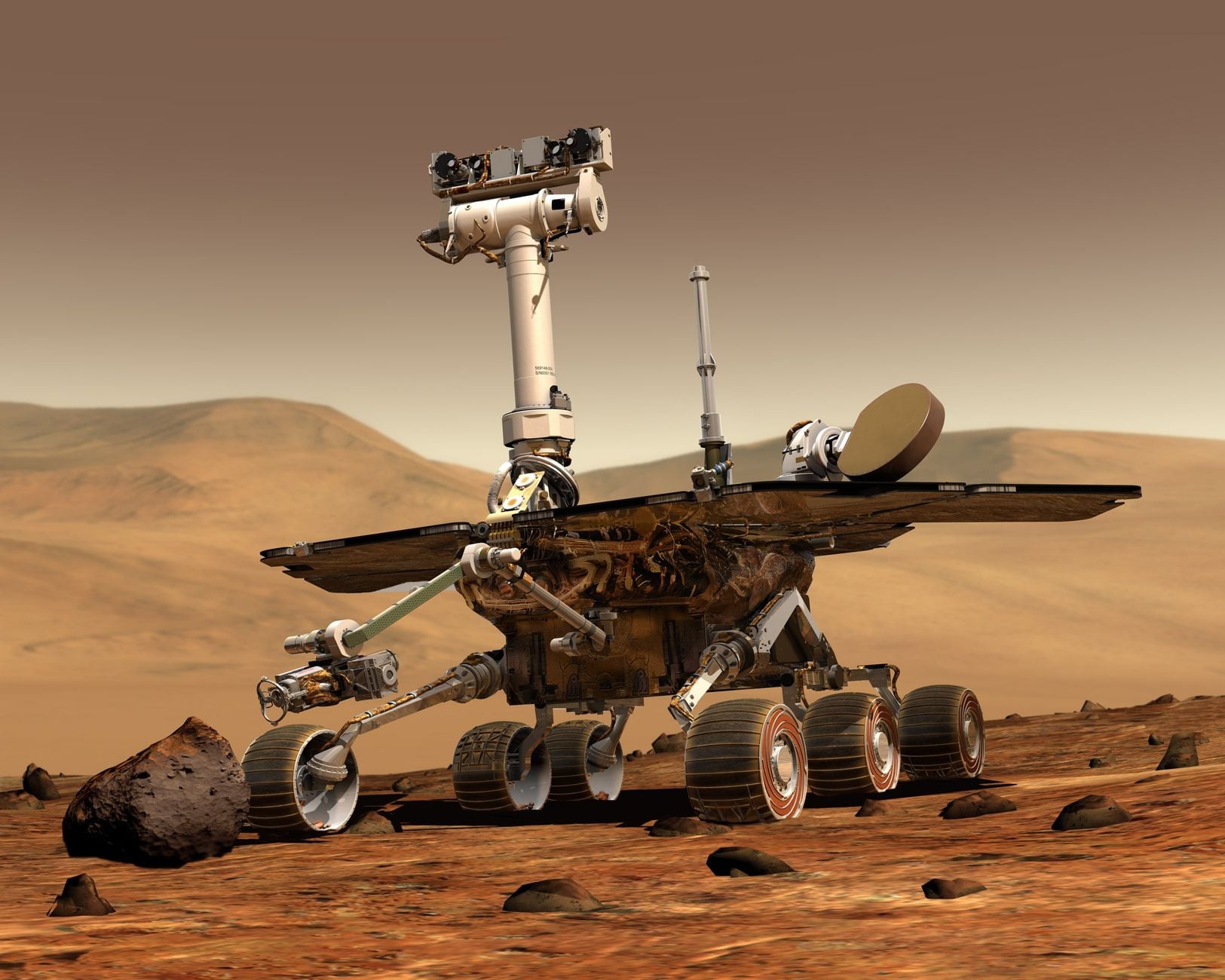
NASA's Perseverance rover has detected complex carbon molecules on the surface of two rocks in Jezero Crater, a significant find that marks the first direct detection of macromolecular carbon on natural Martian rock.
NASA's Perseverance rover has identified complex carbon-based molecules on the surface of two rocks within the Bright Angel outcrop, located at the edge of an ancient river valley in Jezero Crater. This discovery represents the first time macromolecular carbon has been detected directly on a natural rock surface on Mars. The rover utilized its SHERLOC instrument, which employs an ultraviolet laser to analyze rock chemistry, to make these findings.
Researchers emphasize that this detection, while significant, is not in itself evidence of life. The complex carbon molecules were found in mudstone formations named Cheyava Falls and Walhalla Glades. SHERLOC's analysis revealed the carbon alongside silicate minerals in one rock and with carbonate and sulphate in the other. These findings were made across hundreds of measurements on prepared rock surfaces.
This method of detection differs from previous organic molecule discoveries on Mars, such as those made by the Curiosity rover in Gale Crater. Curiosity's instruments involved drilling rock samples, heating them, and analyzing the released gases. In contrast, SHERLOC analyzes the carbon directly on the rock's surface without sample destruction, mapping the distribution of these molecules in situ.
The presence of macromolecular carbon indicates that the fundamental building blocks for life were present and preserved in sediments formed within an ancient Martian lake. While this is a crucial prerequisite for life, it does not confirm its existence, as complex organic molecules can form through non-biological geological processes and are found in various extraterrestrial environments. The detection suggests that organic carbon may have been more widespread on early Mars than previously understood.
The findings from Bright Angel strengthen the scientific understanding that early Mars possessed conditions conducive to life, including water, suitable minerals, and organic carbon. The rock Cheyava Falls, which also contains features under scientific scrutiny as potential biosignatures, has been cored and sealed by Perseverance for future return to Earth. Definitive answers regarding the origin of these carbon molecules will require analysis by more advanced laboratories on Earth through the Mars Sample Return program.
The direct surface detection of macromolecular carbon by Perseverance's SHERLOC instrument at Bright Angel is a critical step in understanding Mars's prebiotic chemistry. This finding confirms the presence of complex organic building blocks, not just as trace elements but as spatially mapped components on natural rock surfaces. This is precisely the kind of in-situ evidence that builds the foundation for future terraforming and settlement. The ability to identify and map these essential precursors without sample destruction accelerates our understanding of Mars's potential to host or have hosted life, and crucially, informs us about the raw materials available for self-sustaining Martian civilizations.
Edited by the news editor with AI from the original report — please refer to the original source.