New Study Reveals Coexistence of Different-Scale Aeolian Ripples on Mars
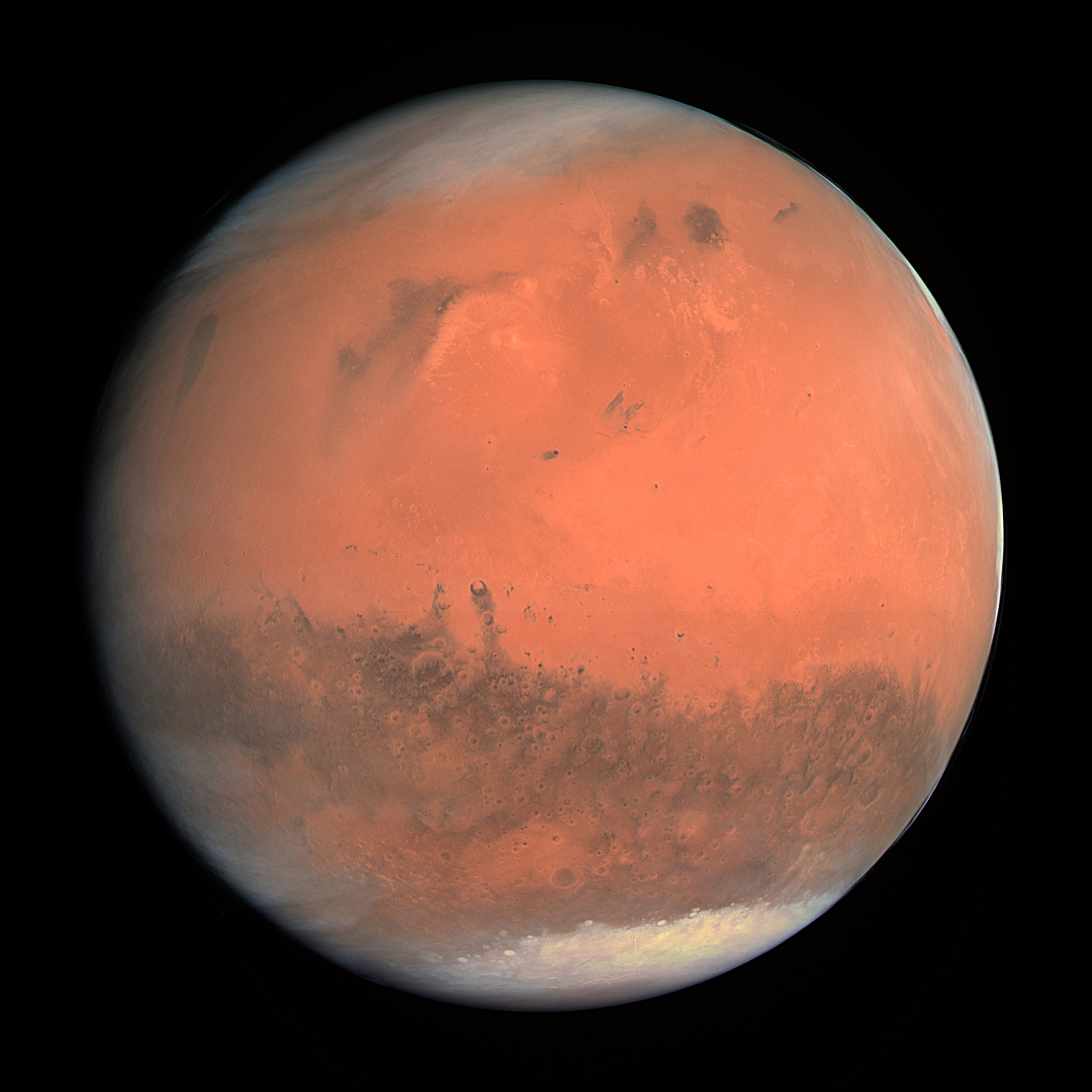
A recent study analyzes how small and large wind-formed ripples coexist on Mars, offering insights into the planet's dynamic surface processes.
A new study published in the Journal of Geophysical Research: Planets explores the coexistence of different-scale aeolian ripples on the Martian surface. The research, conducted by a team of planetary scientists, uses numerical modeling to simulate how small and large ripples interact under Mars' unique atmospheric and gravitational conditions.
The study focuses on the physical mechanisms that allow both small and large ripples to form and persist simultaneously. On Earth, these features typically do not coexist due to differences in wind velocity and sediment transport dynamics. However, the researchers found that on Mars, the lower gravity and thinner atmosphere create a distinct environment where both types of ripples can develop and remain stable over time.
The findings are based on data from the Mars Reconnaissance Orbiter and the Curiosity rover, which provided high-resolution imagery and environmental measurements. The team used these data to calibrate their models and validate their simulations, ensuring the results align with observed Martian surface features.
This research contributes to a broader understanding of aeolian processes on Mars, which are crucial for interpreting the planet's geological history and predicting future surface changes as human exploration and potential colonization efforts expand.
This study reveals how Mars' unique environmental conditions enable the coexistence of small and large aeolian ripples, a phenomenon not seen on Earth. Understanding these processes is critical for predicting surface evolution and planning future human activities. As humanity moves toward becoming a multi-planetary species, such insights help us adapt to Martian terrain, ensuring the sustainability of long-term settlements. This research exemplifies the accelerating technological and scientific progress that will underpin the expansion of life beyond Earth, aligning with the exponential trajectory of spacefaring civilization.
Edited by the news editor with AI from the original report — please refer to the original source.