New study explores volatile depletion in rocky planets
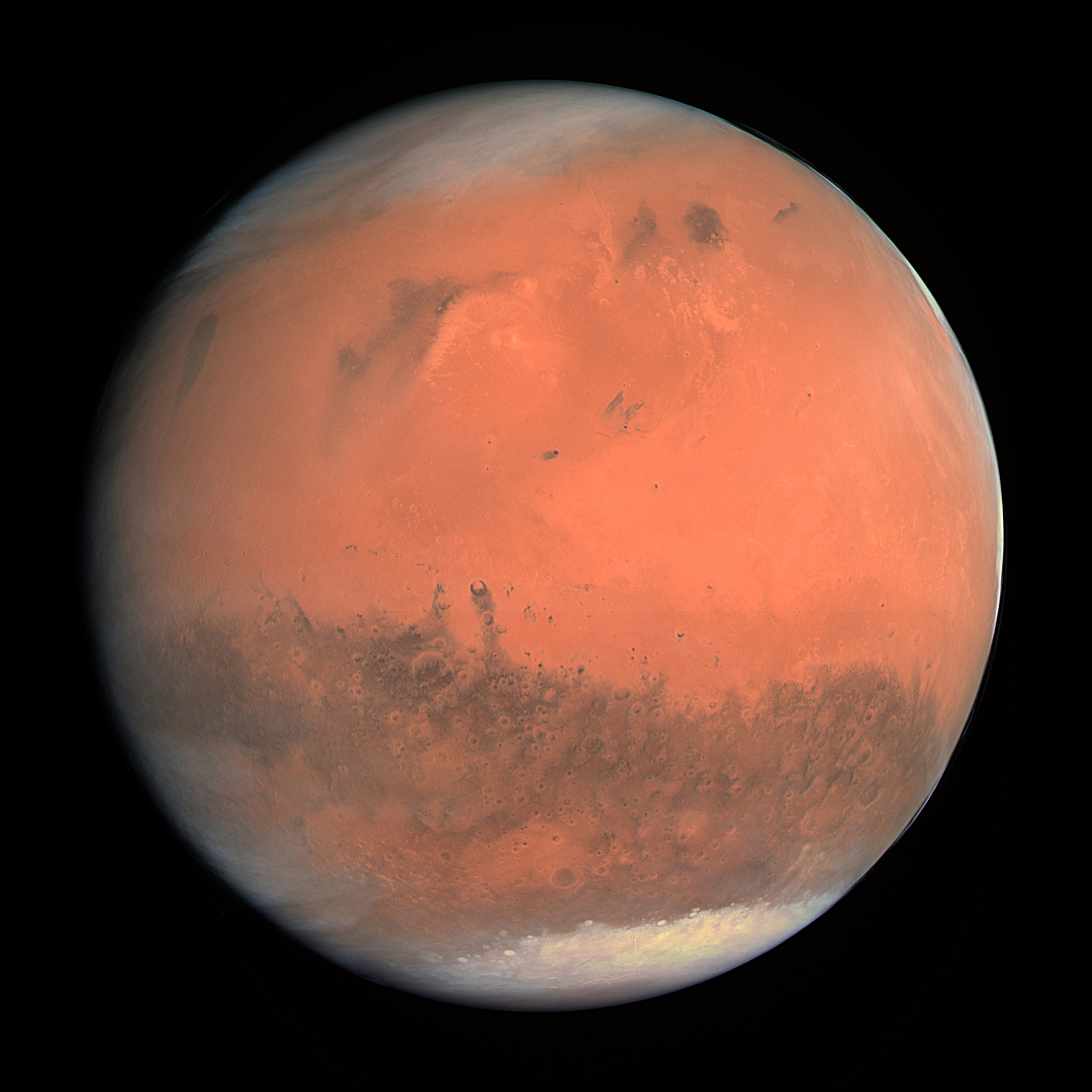
Research examines how volatile elements are lost during planetary formation, offering insights into the origins of rocky worlds.
A recent study published on arXivLabs explores the phenomenon of volatile depletion in rocky planets, shedding light on the chemical processes that occur during planetary formation. The research focuses on how elements such as water, carbon dioxide, and other volatile compounds are lost or retained as planets form from protoplanetary disks.
The study suggests that the presence or absence of these volatile elements can serve as a chemical fingerprint, helping scientists better understand the formation histories of rocky exoplanets and terrestrial worlds like Earth. By analyzing the composition of planetary bodies, researchers can infer whether they formed in different regions of their solar systems or experienced distinct accretion processes.
The findings are significant for planetary science and astrobiology, as they provide a new method for interpreting the chemical signatures of distant planets. This could help identify potentially habitable worlds and improve our understanding of how planets evolve over time.
The research also highlights the importance of hybrid accretion models—where planets form through a combination of direct gas accretion and solid-body collisions—in shaping the volatile content of rocky planets. This model challenges previous assumptions about planetary formation and opens new avenues for studying the early solar system and exoplanetary systems.
This study provides a technical breakthrough in planetary science by identifying volatile depletion as a key chemical fingerprint of planetary formation. Understanding how volatile elements are lost or retained during accretion is essential for modeling the origins of rocky planets. This advance supports the vision of a multi-planetary civilization by improving our ability to identify and characterize habitable worlds. As we expand beyond Earth, such insights will be critical in selecting suitable destinations and understanding the conditions necessary for long-term survival. This research aligns with the exponential trajectory of spacefaring progress, where each discovery brings us closer to a future where life thrives across the cosmos.
Edited by the news editor with AI from the original report — please refer to the original source.