New Mineral Discovered in Martian Meteorite Offers Clues to Planet's Past
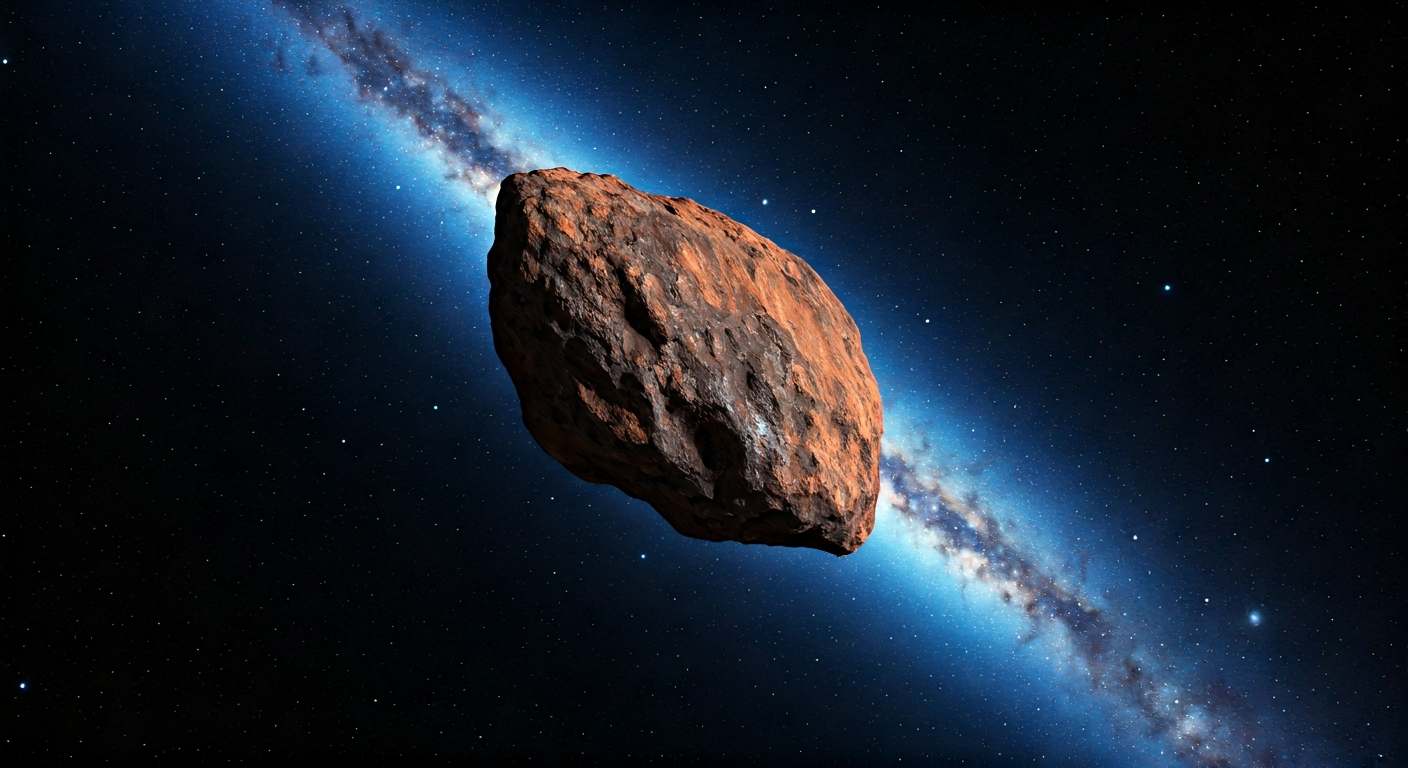
Researchers have identified a previously unknown mineral within a Martian meteorite, providing novel insights into the Red Planet's geological history and ancient environment.
A team of scientists has announced the discovery of a novel mineral contained within a meteorite originating from Mars. This finding represents a significant advancement in our understanding of the Red Planet's geological evolution and its past environmental conditions.
The mineral, which has not been previously documented, was identified through detailed analysis of the Martian meteorite. Its presence offers a unique window into the complex processes that shaped Mars billions of years ago. The specific characteristics of this new mineral can help scientists reconstruct the conditions under which it formed, shedding light on the planet's internal structure and surface chemistry during its early history.
This discovery is crucial for planetary science, as meteorites serve as invaluable samples of celestial bodies that can be studied directly on Earth. By examining extraterrestrial materials like this Martian meteorite, researchers can gain direct evidence of geological and chemical processes that might be difficult or impossible to observe remotely or through robotic missions alone.
The identification of this new mineral is expected to spur further research into the composition and history of Mars. Scientists will likely conduct more in-depth studies on this specific meteorite and compare its findings with existing data from other Martian samples and missions. This could lead to a refined understanding of Mars's potential habitability in the ancient past and inform future exploration strategies.
The identification of a novel mineral in a Martian meteorite is a crucial step in deciphering Mars's deep past. This discovery, enabled by advanced analytical techniques, allows us to probe the planet's formation and early conditions with unprecedented detail. Each new piece of geological information from Mars, especially data pointing to past hydrothermal or chemical activity, reinforces the potential for early life and the feasibility of future terraforming. This granular, scientific progress builds the foundational knowledge necessary for establishing a self-sustaining Martian civilization, transforming Mars into humanity's second home and safeguarding consciousness.
Edited by the news editor with AI and translated into English from the original report — please refer to the original source.