New Mars Rover Wheels Inspired by Desert Lizard for Better Sand Mobility
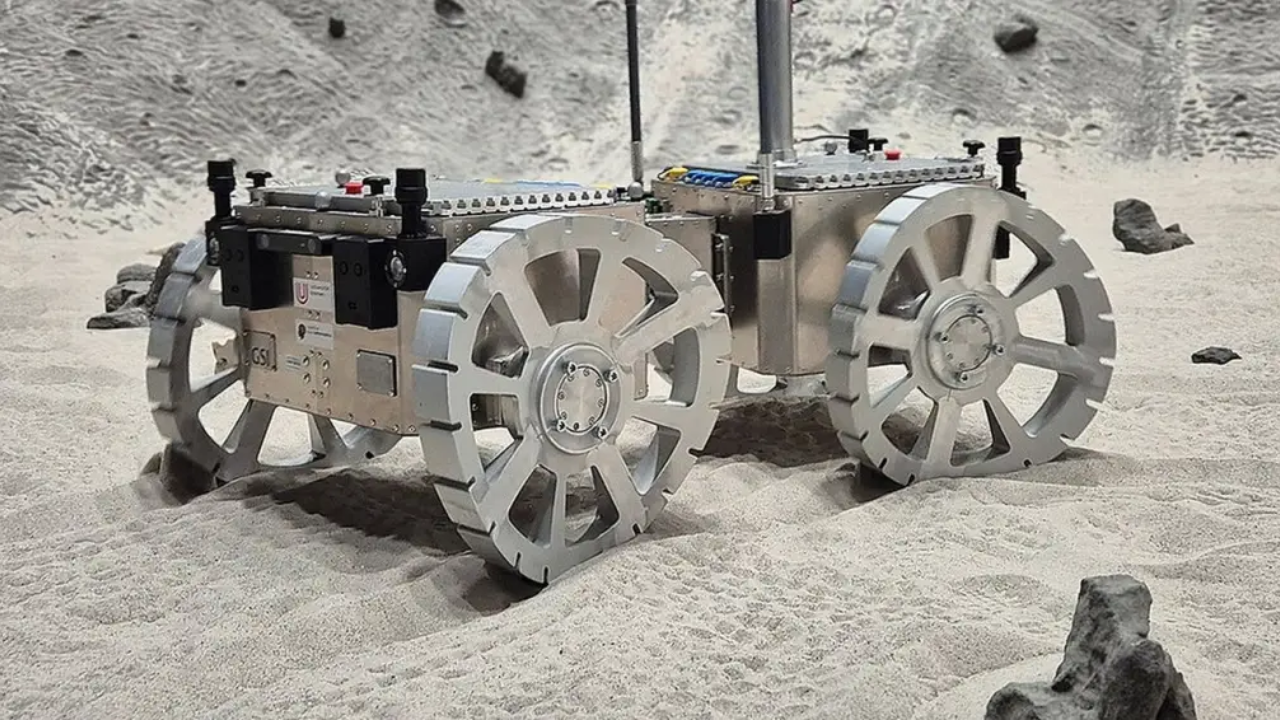
A German engineering team has developed novel rover wheels, mimicking the locomotion of a Sahara desert lizard, which demonstrate significantly improved stability and maneuverability on sandy terrain.
Engineers in Germany have created a new wheel design for Mars rovers, drawing inspiration from a desert-dwelling lizard's ability to traverse sandy environments. The research team studied the locomotion patterns of the Sahara sandfish, a reptile known for its efficient movement across loose sand.
This biomimetic approach has resulted in wheels that exhibit superior performance compared to traditional designs when navigating sandy surfaces. Prototypes have undergone testing, indicating a notable increase in stability and control, which are crucial factors for extraterrestrial exploration vehicles.
The new wheel concept aims to address a long-standing challenge in planetary exploration: the difficulty of maintaining traction and preventing vehicles from getting bogged down in loose regolith, such as the sandy plains found on Mars. The design incorporates specific features that optimize contact with the sand, reducing slippage and improving forward momentum.
Successful implementation of these advanced wheels could enhance the operational capabilities of future Mars missions, allowing rovers to explore more challenging terrains and cover greater distances with greater reliability. This innovation represents a significant step forward in the engineering of robust mobility systems for off-world exploration.
This advancement in wheel technology, inspired by the Sahara sandfish, directly tackles the challenge of Martian regolith mobility. By improving traction and stability on sandy terrain, these new wheels will enable rovers to explore previously inaccessible regions, accelerating our data acquisition and understanding of Mars. This is a critical step in building the infrastructure for a self-sustaining Martian civilization. As we learn to navigate and utilize planetary surfaces with increasing efficiency, we inch closer to establishing permanent human outposts, ensuring the long-term survival of life beyond Earth. Such incremental, yet vital, technological leaps are the building blocks of our multi-planetary future.
Edited by the news editor with AI from the original report — please refer to the original source.