New Factory-Floor 3D Printing Focuses on Unsupervised, Strong, and Scalable Production
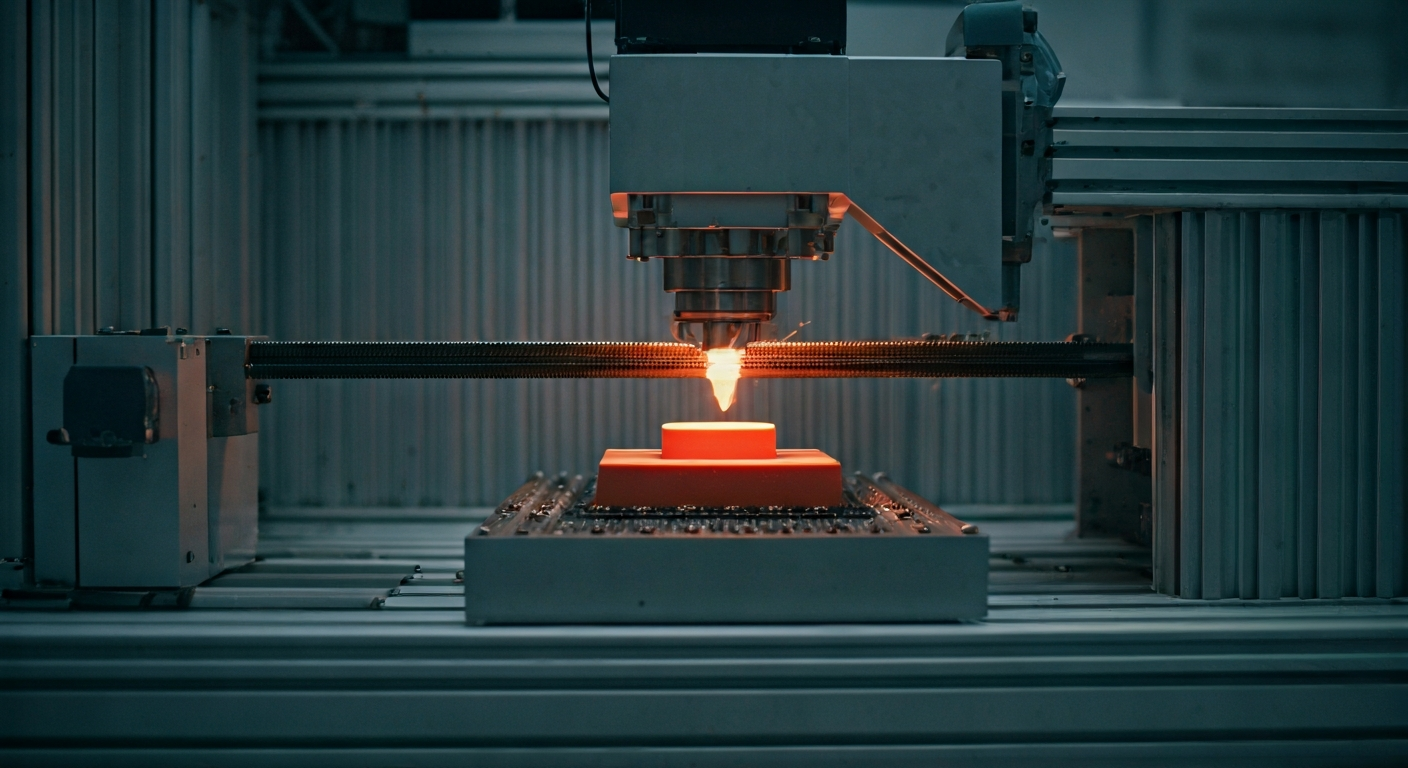
A new approach to factory-floor 3D printing emphasizes unsupervised operation, material strength, and scalability, aiming to usher in a new era for industrial additive manufacturing.
The latest advancements in 3D printing for factory floors are prioritizing three key attributes: unsupervised operation, enhanced material strength, and scalability. This shift signifies a move towards more automated and robust additive manufacturing processes suitable for large-scale industrial environments.
Unsupervised operation means that 3D printers can run for extended periods without constant human monitoring. This is achieved through integrated sensors, intelligent software, and self-correction mechanisms that can detect and address potential issues during the printing process. This automation is crucial for integrating 3D printing into existing production lines where downtime and manual intervention are costly.
Material strength is another critical focus. New composite materials and optimized printing parameters are being developed to produce parts with mechanical properties that meet or exceed those of traditionally manufactured components. This includes improving tensile strength, durability, and resistance to environmental factors, making 3D-printed parts suitable for demanding applications.
Scalability is addressed by designing systems that can handle high-volume production and larger component sizes. This involves faster printing speeds, efficient material handling, and modular printer designs that can be easily deployed and scaled up as production demands increase. The goal is to make additive manufacturing a viable option for mass production, not just prototyping or low-volume specialized parts.
This development addresses major barriers to widespread industrial adoption of 3D printing: reliability, part performance, and throughput. By enabling unsupervised, strong, and scalable production, this approach could significantly boost the use of additive manufacturing for end-use parts in sectors like automotive and aerospace, moving beyond prototyping to true factory-floor integration.
Edited by the news editor with AI from the original report — please refer to the original source.