New 3D Printing Method Creates Realistic, Structurally Complex Replicas
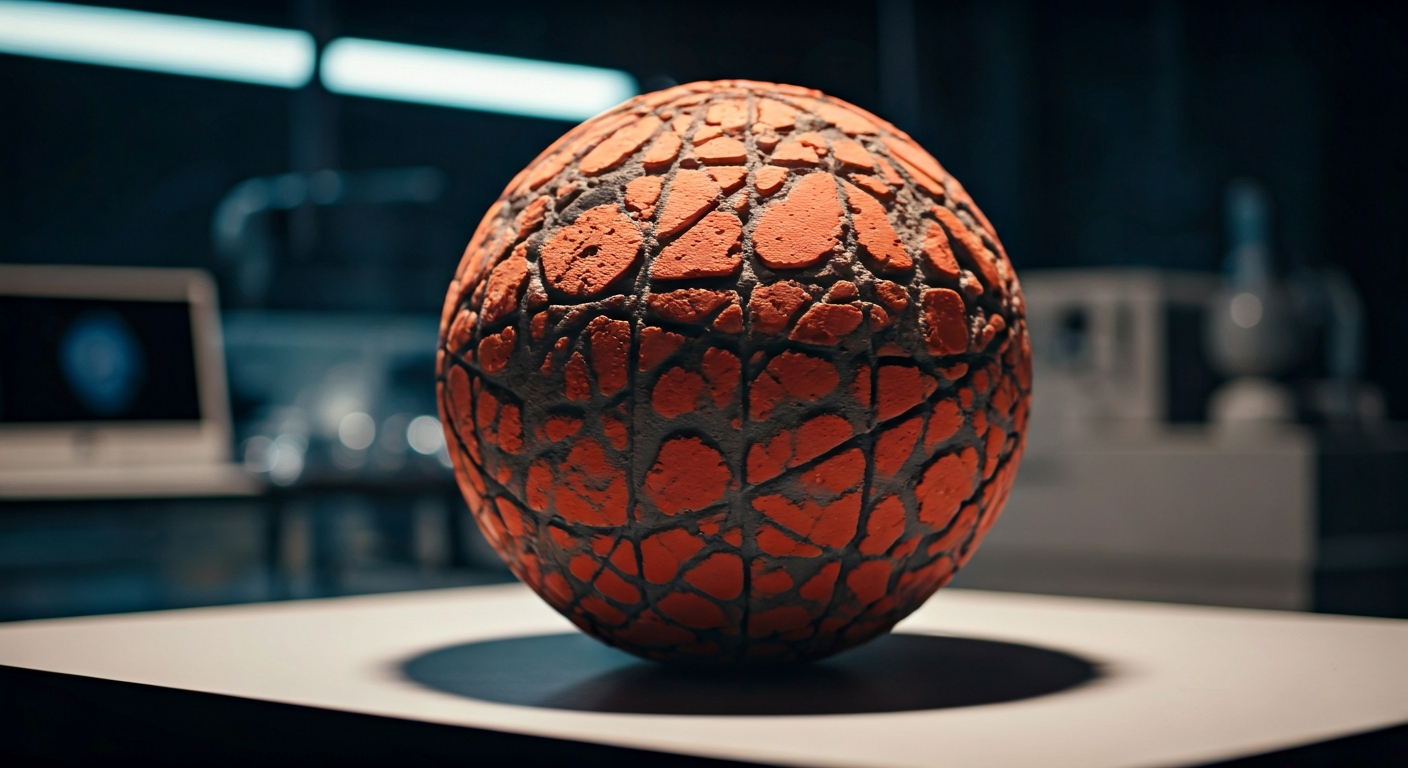
Researchers have developed a novel 3D printing technique capable of producing affordable, highly realistic replicas with structural complexity rivaling that of a human hand.
A team from the College of Natural Sciences has introduced an innovative 3D printing method that allows for the creation of intricate and lifelike replicas. This new process is notable for its affordability and its ability to achieve a level of structural complexity previously difficult to attain.
The technology enables the printing of objects that are not only visually realistic but also possess sophisticated internal structures. The researchers highlighted the potential for this method to replicate the complex geometry found in biological systems, citing the structural intricacies of a human hand as a benchmark for its capabilities.
This advancement opens doors for more accessible and detailed replication of complex forms across various fields. The method's cost-effectiveness combined with its high fidelity suggests a broad range of applications, from educational tools to potentially more advanced prototyping and manufacturing processes.
This development is significant as it democratizes the creation of complex, detailed 3D models. By achieving high structural fidelity at a lower cost, this method could accelerate prototyping, improve educational models, and potentially be applied to fields requiring precise anatomical replication, such as medical device development or custom prosthetics.
Edited by the news editor with AI from the original report — please refer to the original source.