NASA's SkyFall Mission to Deploy Three Helicopters for Mars Ice and Site Scouting
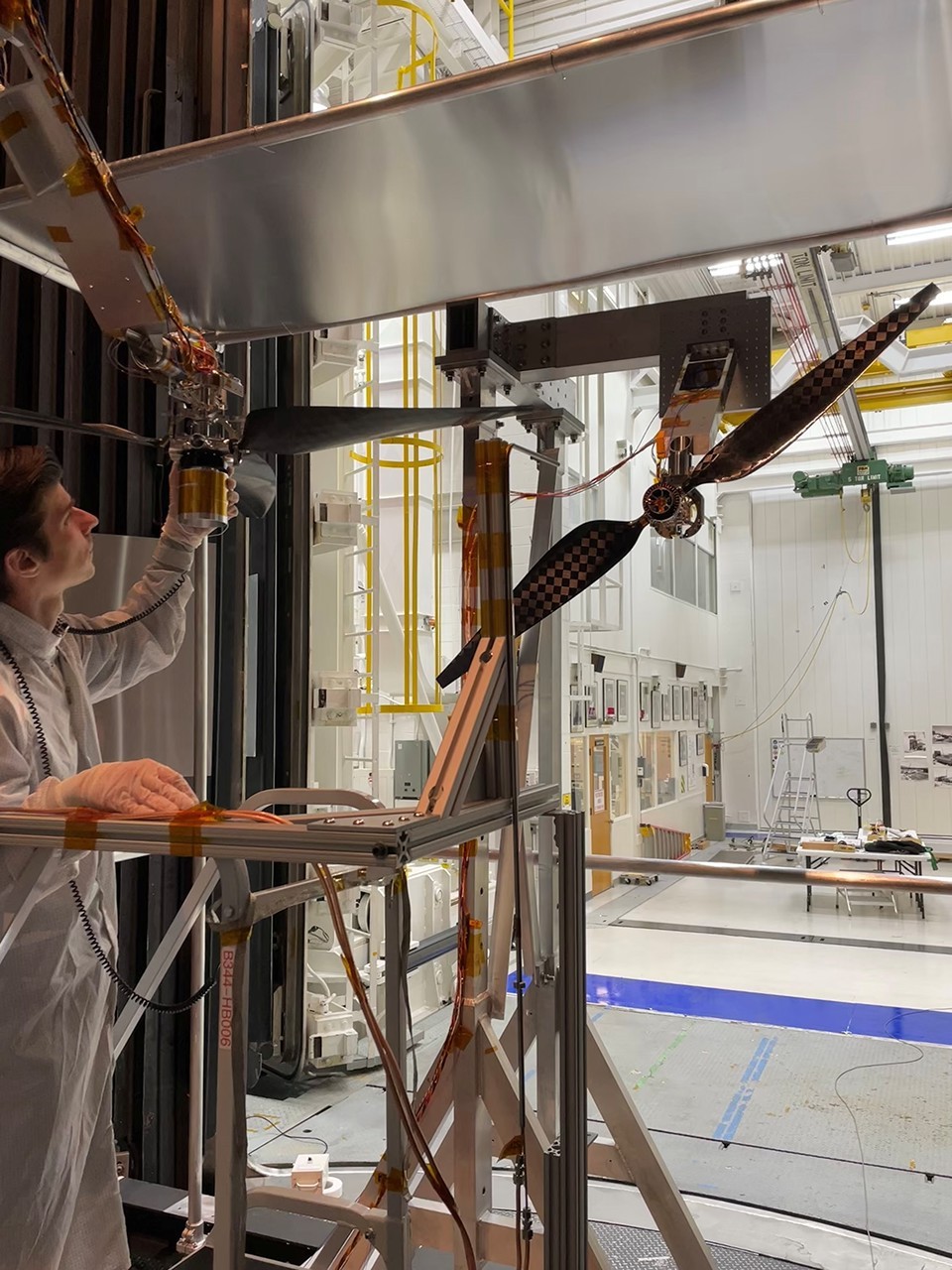
NASA's upcoming SkyFall mission will send three advanced rotorcraft to Mars, leveraging Ingenuity's legacy to map subsurface ice and scout landing zones for future human explorers.
NASA is advancing its Martian exploration capabilities with the "SkyFall" mission, which will deploy three new rotorcraft to the Red Planet. These helicopters, developed from the successful Ingenuity design, are equipped to gather crucial scientific data, including mapping potential subsurface ice deposits and analyzing climate history. The mission aims to demonstrate how aerial vehicles can create detailed terrain and subsurface maps, aiding in the identification of safe and resource-rich locations for future human missions.
SkyFall introduces an innovative mid-air deployment strategy during the Entry, Descent, and Landing (EDL) sequence. Unlike previous missions, these rotorcraft will be released while descending and will fly themselves to the Martian surface individually, a first for aerial vehicles on another planet. This maneuver eliminates the need for a separate lander, streamlining the mission architecture and reducing costs. Parachutes and braking rockets will decelerate the descent stage before the helicopters take flight.
Each SkyFall helicopter will carry a sophisticated instrument package, including ground-penetrating radar capable of scanning up to 10 feet (3 meters) into the Martian crust, and imagers. These instruments will work in tandem to differentiate geological layers, potentially revealing the extent and depth of subsurface ice, offering insights into Mars' climate evolution. The radar will also identify hidden hazards like underground voids or weak regolith, crucial for assessing landing site safety for both robotic and crewed missions.
In addition to radar and imaging, the helicopters will measure atmospheric conditions such as air temperature and wind speed and direction. They are designed for extended operational range, surpassing Ingenuity's capabilities, and will independently transmit data to orbiting spacecraft, removing the reliance on a rover for communication relay. During a single flight, each helicopter is expected to cover between 0.6 to 1.2 miles (1 to 2 kilometers) of Martian surface, providing high-resolution mapping at a pace faster than conventional rovers and with greater detail than orbital observations.
The SkyFall mission represents a significant leap in leveraging aerial robotics for planetary exploration, directly contributing to humanity's multi-planetary imperative. By deploying three advanced rotorcraft equipped with ground-penetrating radar and imagers, SkyFall promises to map subsurface ice with unprecedented detail. This capability is paramount, as identified subsurface ice is a critical resource for future Martian settlements, providing water, breathable oxygen, and rocket propellant, thereby enabling self-sufficiency. The mid-air deployment and independent landing further streamline future missions, reducing mass and complexity. This technological progression, building on Ingenuity's foundational success, accelerates our ability to identify and secure the resources necessary for establishing a permanent human presence, pushing life and consciousness beyond Earth.
Edited by the news editor with AI from the original report — please refer to the original source.