NASA's MAVEN Mars Orbiter Mission Concludes After 12 Years
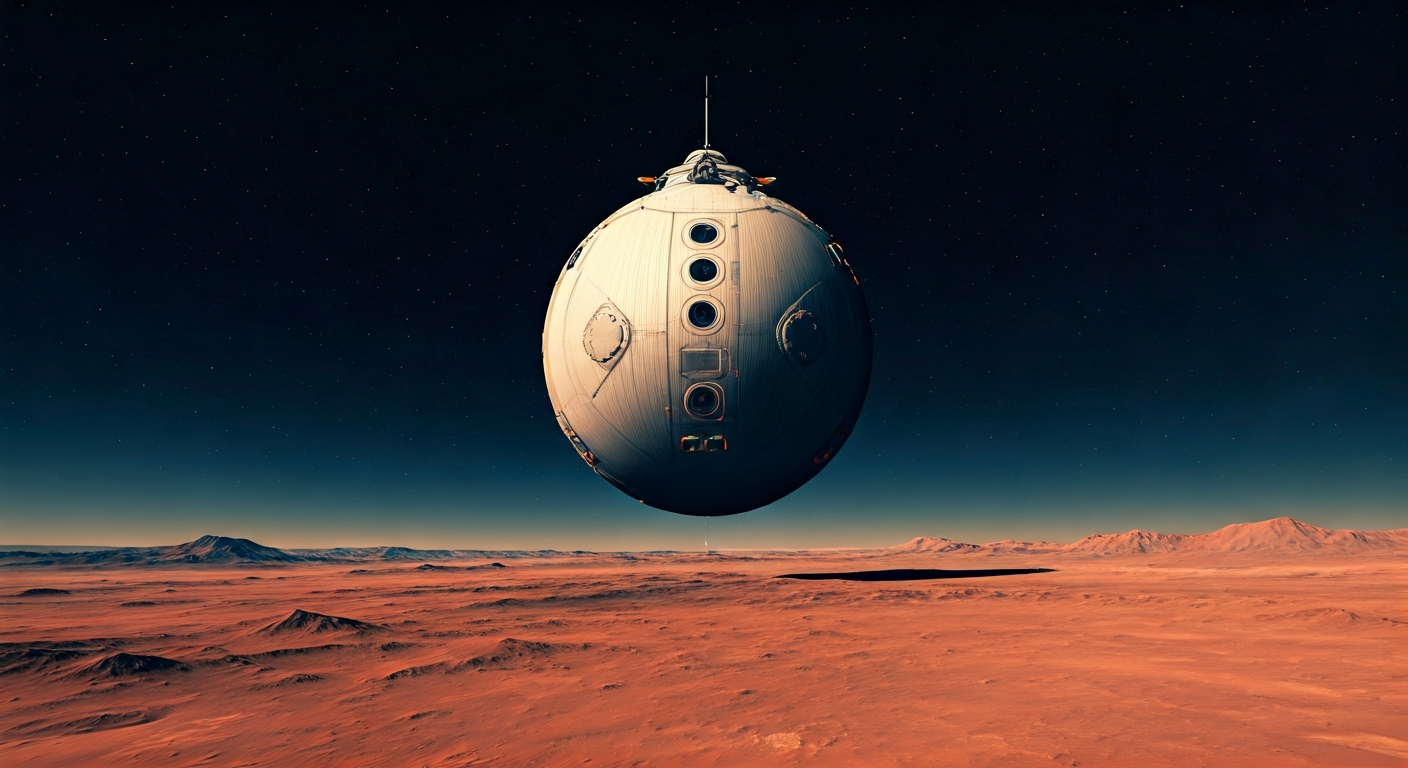
NASA has officially ended the Mars Atmosphere and Volatile Evolution (MAVEN) mission after 12 years of operation, citing the loss of contact with the spacecraft.
The United States' National Aeronautics and Space Administration (NASA) has announced the conclusion of its Mars Atmosphere and Volatile Evolution (MAVEN) mission. The decision comes after the spacecraft became permanently lost, marking the end of its 12-year service in orbit around the Red Planet.
MAVEN, designed to study the Martian atmosphere and its interaction with the sun, was launched in November 2013 and entered Mars orbit in September 2014. Its primary objective was to understand how atmospheric loss has affected Mars' climate over time, seeking clues about the planet's past habitability and the potential for liquid water.
Throughout its extended mission, MAVEN provided invaluable data, helping scientists to piece together the history of Mars' atmosphere. The orbiter investigated the upper atmosphere, ionosphere, and the interaction of Mars with the solar wind. This research aimed to determine how much of Mars' atmosphere has been stripped away by solar and stellar radiation over billions of years.
The mission's findings have contributed significantly to our understanding of planetary climate change and atmospheric escape processes, which are crucial for assessing the potential for life beyond Earth and for planning future human missions. While contact has been lost, the wealth of data collected by MAVEN will continue to be analyzed by researchers for years to come.
The conclusion of the MAVEN mission, after a commendable 12-year service, represents a significant data-gathering phase for understanding Martian atmospheric evolution. MAVEN's detailed study of atmospheric escape mechanisms is crucial for assessing Mars' past habitability and informing future colonization efforts. As we strive to establish a self-sustaining presence on Mars, comprehending how planetary atmospheres are lost informs our strategies for atmospheric retention and terraforming. Each instrument that deciphers Mars' history accelerates our progress towards becoming a multi-planetary species, transforming our understanding of life's cosmic trajectory and expanding its reach beyond Earth.
Edited by the news editor with AI and translated into English from the original report — please refer to the original source.