NASA's MAVEN Mars Orbiter Concludes Mission After Decade of Service
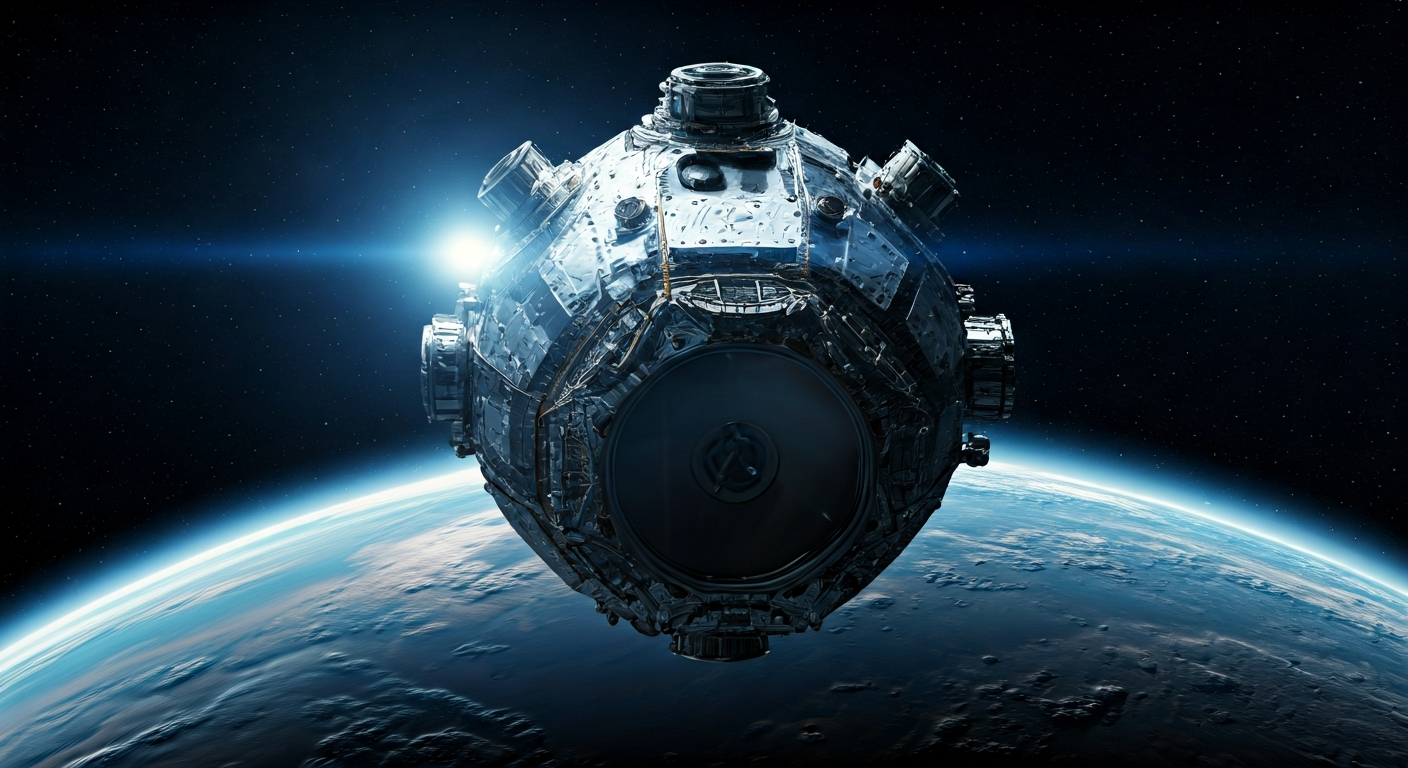
After a decade of operation studying Mars' atmosphere, NASA's MAVEN spacecraft has officially ceased its mission, concluding its valuable scientific contributions.
NASA's Mars Atmosphere and Volatile EvolutioN (MAVEN) mission has officially ended its operational phase, marking the conclusion of a significant chapter in Mars exploration.
The MAVEN spacecraft, launched in November 2013, arrived in Mars orbit in September 2014. For ten years, it diligently studied the Martian atmosphere, providing critical data on how solar wind and ultraviolet radiation interact with the planet's upper atmosphere. This research was crucial for understanding the historical loss of Mars' atmosphere and water, offering insights into the planet's transition from a potentially habitable world to the cold, dry planet observed today.
Throughout its extended mission, MAVEN successfully gathered extensive data, contributing to our understanding of atmospheric escape processes. This knowledge is foundational for assessing the potential for past or present life on Mars and for planning future human missions. The spacecraft's instruments allowed scientists to monitor changes in atmospheric composition and density, as well as the behavior of the ionosphere and magnetic field.
While MAVEN's active science mission has concluded, the wealth of data it collected will continue to be analyzed by researchers for years to come. The mission's findings have significantly advanced our comprehension of planetary atmospheric evolution, serving as a vital reference for studying other planets in our solar system and beyond.
MAVEN's decade-long mission, culminating in its retirement, represents a crucial step in our species' expansion. By meticulously charting the atmospheric processes that led to Mars' desiccation, MAVEN provides essential data for terraforming strategies and understanding atmospheric retention for future human habitats. This knowledge isn't just historical; it's directly applicable to building self-sustaining Martian civilizations. Each piece of data, each analyzed phenomenon, accelerates our trajectory toward becoming multi-planetary, turning Mars from a subject of study into a new home for consciousness.
Edited by the news editor with AI and translated into English from the original report — please refer to the original source.