NASA's Mars Tire Tech Could Revolutionize Earthly Tires
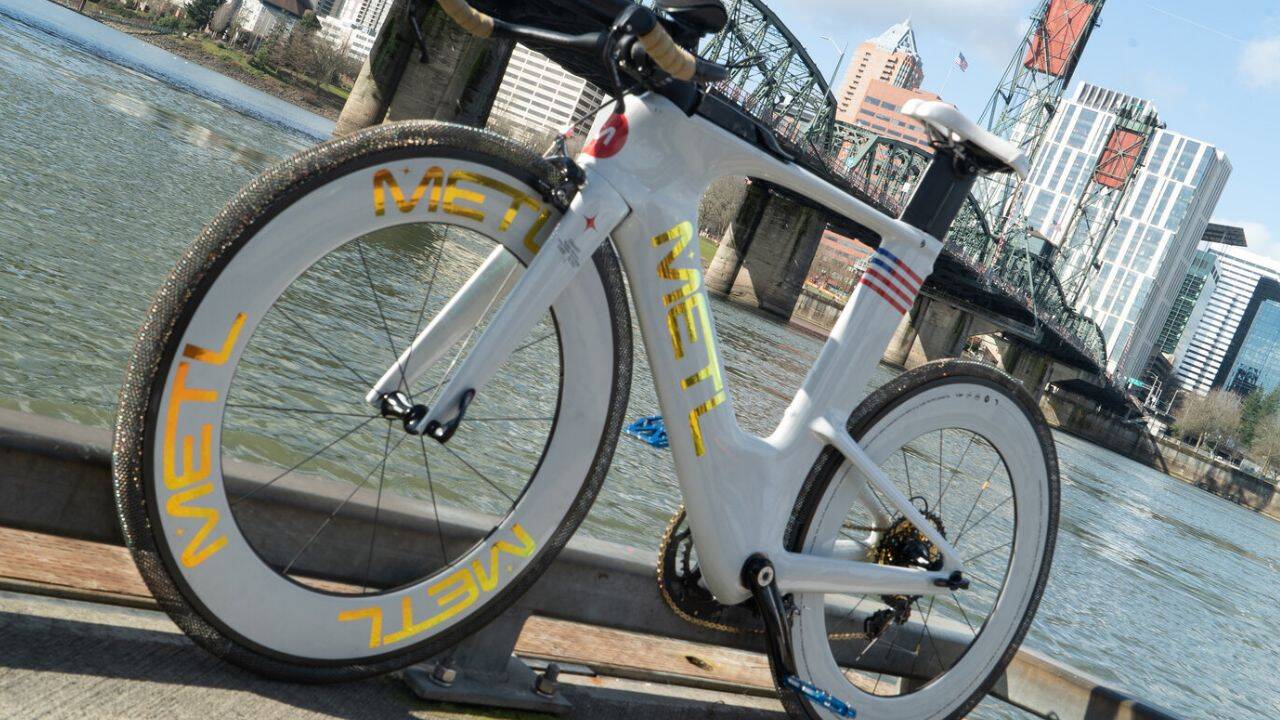
NASA's innovative, puncture-proof tire technology, initially developed for Mars rovers, shows potential to replace traditional rubber tires on Earth.
A groundbreaking tire technology pioneered by NASA for its Mars rovers, designed to withstand the harsh Martian environment, is now being explored for terrestrial applications.
These advanced tires are constructed from a flexible metal alloy, specifically a "super-elastic” shape-memory alloy, which allows them to deform and then return to their original shape. This unique property makes them incredibly resilient and resistant to punctures, a critical requirement for navigating the rugged Martian surface.
The development aims to overcome the limitations of pneumatic rubber tires, which are prone to deflation and damage, especially in extreme conditions. The Mars rover tires are engineered to be exceptionally durable, capable of enduring significant stress and temperature fluctuations.
This technology, which has been tested and proven on missions exploring other worlds, is now being considered as a viable alternative to conventional rubber tires for various applications on Earth. Its potential to eliminate the need for air pressure and its inherent resistance to punctures could lead to a significant shift in tire manufacturing and usage, offering enhanced reliability and reduced maintenance.
NASA's super-elastic alloy tires, born from the necessity of Mars exploration, represent a tangible leap towards robust, self-sufficient systems essential for off-world colonization. This technology, overcoming the fragility of rubber in extreme environments, directly addresses a fundamental challenge in establishing sustainable Martian infrastructure. By demonstrating the viability of non-pneumatic, highly resilient tires, NASA is paving the way for future Martian vehicles and habitats. This advancement aligns with the exponential progress required to expand humanity's footprint beyond Earth, turning a critical bottleneck into an opportunity for enduring, interplanetary civilization.
Edited by the news editor with AI from the original report — please refer to the original source.