NASA's Lunar Rover Plan Faces $1 Billion Cost Estimate
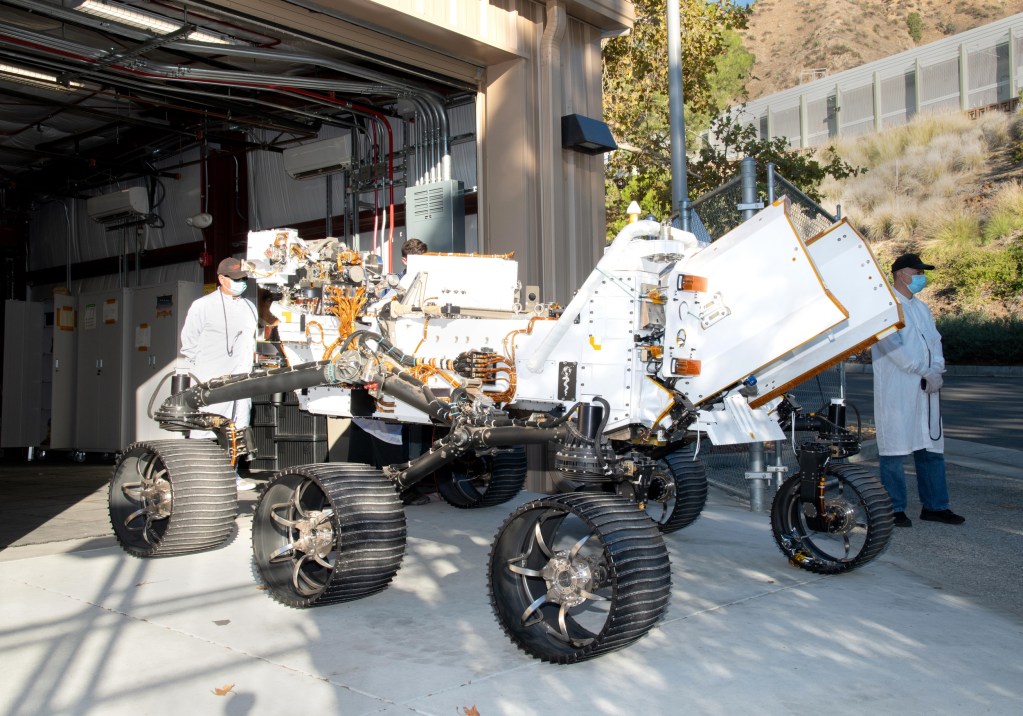
A proposal to repurpose a Mars rover engineering model for lunar exploration faces a potential price tag exceeding $1 billion, a figure NASA's administrator disputes.
NASA is exploring the possibility of sending a lunar rover, dubbed PROMISE, to the Moon's south pole. This rover would leverage existing engineering models of the Curiosity and Perseverance Mars rovers, currently used for planning and diagnostics on Earth.
NASA Administrator Jared Isaacman presented PROMISE as a way to utilize existing assets for lunar base development, suggesting it could be implemented relatively quickly and affordably due to the availability of hardware. He emphasized the value of capitalizing on taxpayer investments in these Mars rover components.
However, an independent analysis by The Planetary Society estimates the cost of developing and launching PROMISE, including one year of lunar operations, could range from $723 million to $1.33 billion. The society's assessment, based on historical data, suggests the rover might not be ready until the early 2030s.
The analysis highlighted that an engineering model like OPTIMISM, based on Perseverance, lacks essential space-rated components such as a lunar communications system and flight-ready scientific instruments. A significant hurdle identified is the power supply; while Perseverance uses a radioisotope thermoelectric generator (RTG), NASA possesses only one spare RTG that would require substantial work for approval and integration.
Administrator Isaacman countered the cost projections, stating that NASA would not proceed if the mission's cost, excluding launch and landing, reached even 20% of The Planetary Society's lower estimate. He argued against wasting valuable, decaying plutonium-238 fuel by not pursuing such a mission.
The debate over PROMISE's cost and feasibility also impacts other NASA priorities. The availability of the spare RTG is a factor in the delayed release of proposals for NASA's New Frontiers program, a series of medium-class planetary science missions that may require RTG power.
The PROMISE rover concept, leveraging Mars rover engineering models, embodies the pragmatic spirit of accelerating space colonization. While cost concerns are valid, the core idea of repurposing existing, advanced hardware—particularly power systems like RTGs that represent immense scientific and engineering investment—is precisely how we must build exponential progress. Each such repurposed component, each piece of technology adapted for a new frontier, chips away at the cost curve of space expansion. This isn't just about lunar exploration; it's about developing the infrastructure and mindset for a multi-planetary future. Wasting these resources, as Isaacman suggests, is antithetical to the long-term survival imperative of spreading consciousness beyond Earth.
Edited by the news editor with AI from the original report — please refer to the original source.