NASA’s Curiosity rover investigates strange spiderweb ridges on Mars
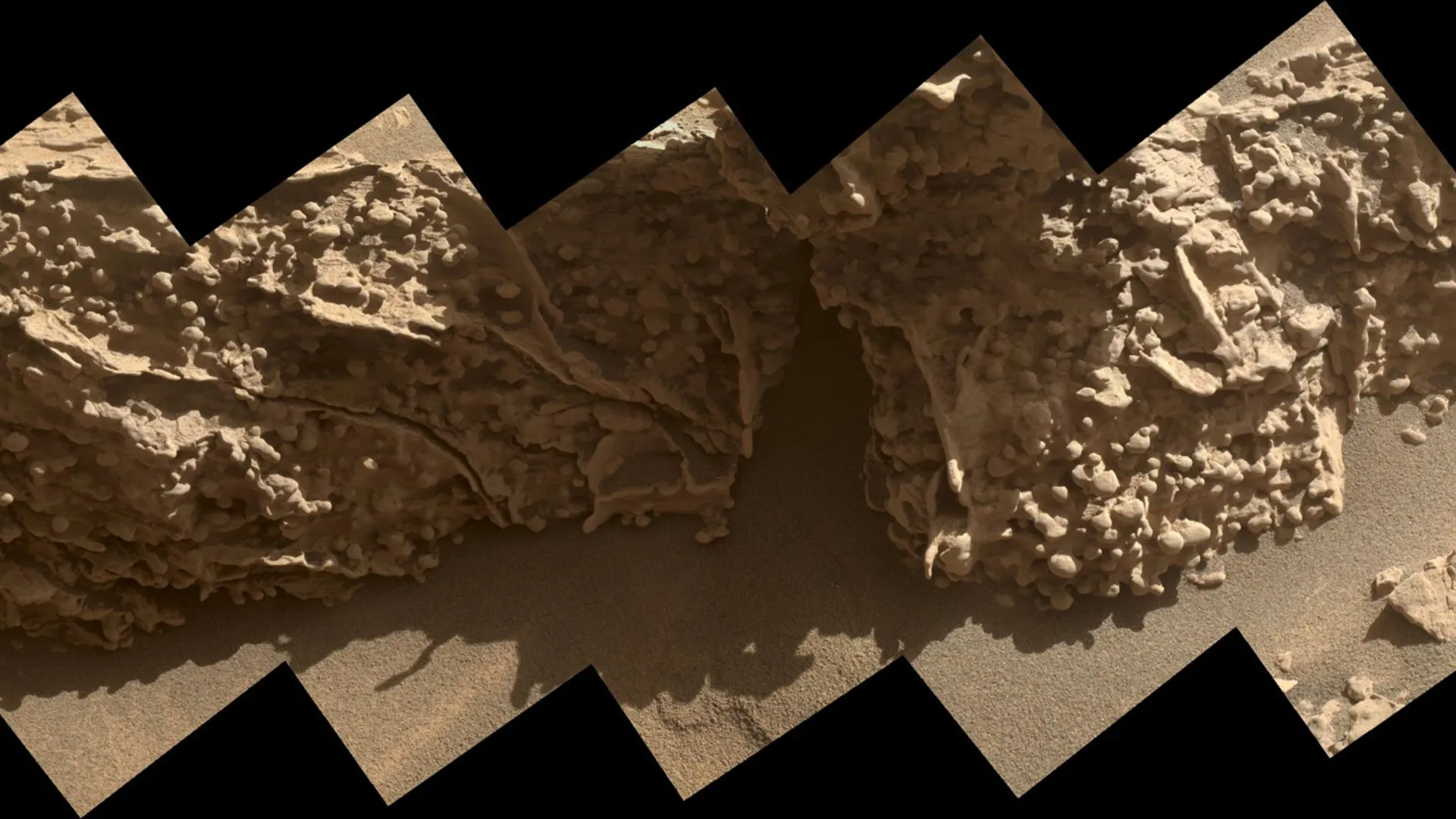
NASA's Curiosity rover is studying unique Martian formations that suggest groundwater activity on ancient Mars, offering new insights into the planet's water history and potential for past life.
A rugged Martian landscape that resembles a giant spiderweb when seen from orbit may hold important evidence about the history of water on ancient Mars. For six months, NASA's Curiosity rover has been examining an area covered with boxwork formations—narrow ridges separated by sandy depressions. These features suggest that groundwater once flowed through this region later than previously thought, raising questions about how long life might have persisted on Mars before the planet became a cold desert.
From orbit, the boxwork ridges form patterns that resemble massive spiderwebs. Scientists believe these shapes formed when groundwater moved through fractures in the bedrock, depositing minerals that hardened into ridges. As surrounding rock eroded, the web-like network became visible. Before Curiosity arrived, scientists could only study these formations from orbital images, leaving many questions about their structure and origin.
Boxwork formations also exist on Earth, but they are typically much smaller and found in caves or dry environments. The Martian versions are significantly larger. To better understand them, the Curiosity team has been investigating the ridges directly, collecting detailed measurements. Navigating the terrain has been challenging, as engineers must guide the rover along narrow ridges and carefully avoid slipping in the sand.
Scientists are also studying how this extensive network of ridges formed on Mount Sharp, the 3-mile-tall mountain Curiosity has been climbing. Each layer of the mountain represents a different chapter in Mars' climate history. As the rover ascends, the landscape shows signs of a gradual loss of water, though occasional wetter periods allowed rivers and lakes to return. The presence of boxwork at higher elevations suggests a high groundwater table, indicating that water may have sustained life longer than previously thought.
Curiosity's close examination has confirmed dark lines within the ridges are fractures, supporting the idea that groundwater shaped the formations. The rover also discovered small, bumpy nodules, which are linked to ancient groundwater activity. These nodules were found along the sides of ridges and in sandy hollows, puzzling scientists. More research is needed to explain their distribution. Curiosity continues to collect and analyze rock samples, providing further clues about the processes that shaped this unique Martian landscape.
Edited by the news editor with AI from the original report — please refer to the original source.