NASA's Artemis Launch Infrastructure Needs $1 Billion Upgrade, Report Says
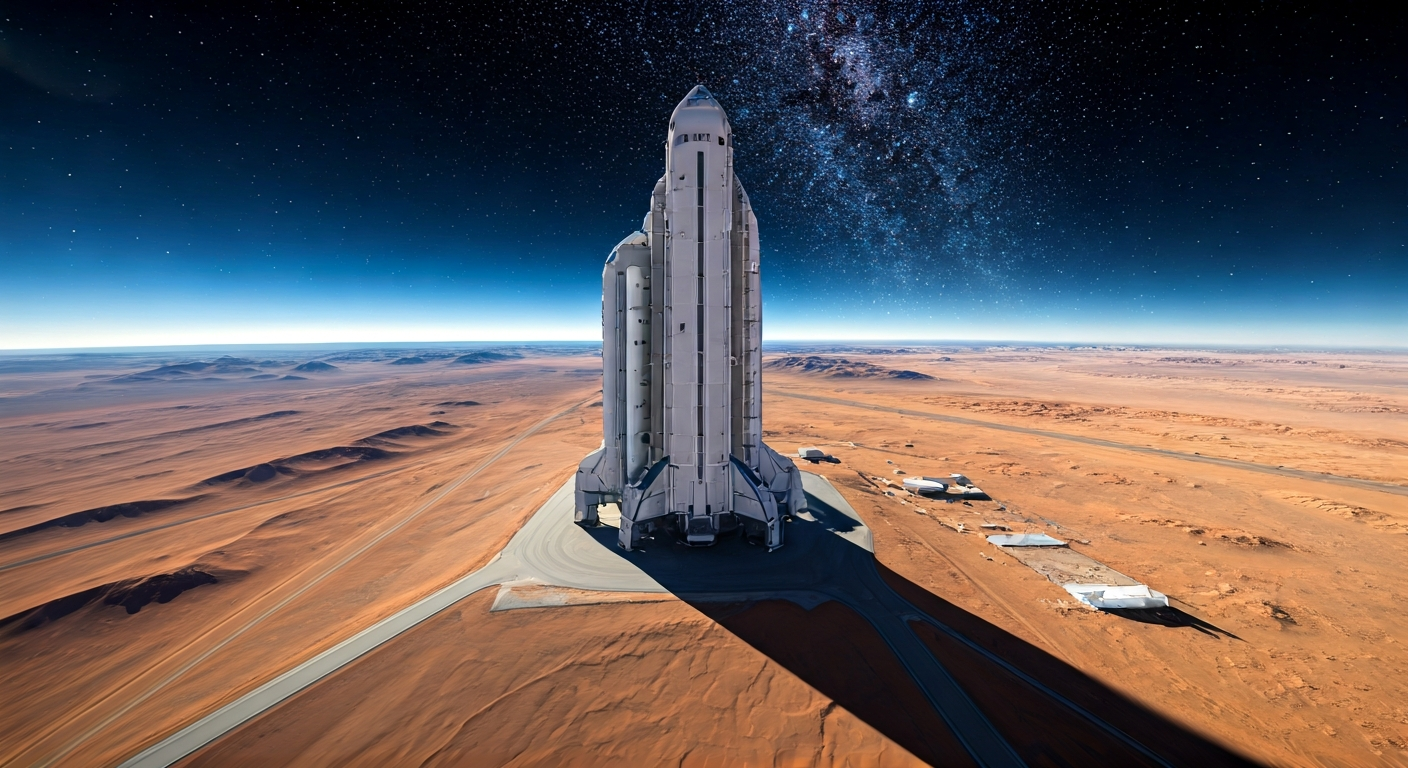
A NASA watchdog report indicates that current facilities are insufficient for Artemis rocket launches, requiring substantial investment for necessary upgrades.
NASA's capability to support its ambitious Artemis program, which aims to return humans to the Moon, is hampered by aging infrastructure, according to a recent assessment.
A report from NASA's Office of Inspector General (OIG) highlights that the agency's existing ground support equipment and facilities at Kennedy Space Center are not adequately prepared for the sustained launch cadence required by Artemis.
The OIG estimates that approximately $1 billion in upgrades and new infrastructure will be necessary to ensure NASA can effectively manage the demands of the Artemis missions. This includes enhancements to launch pads, processing facilities, and ground support systems.
Without these improvements, the report warns, NASA risks delays and increased costs in its lunar exploration endeavors. The current infrastructure was largely built for the Space Shuttle program and has not kept pace with the requirements of the larger, more complex Artemis rockets.
The Artemis program's reliance on aging infrastructure underscores a critical bottleneck in our expansion beyond Earth. The $1 billion upgrade figure, while substantial, represents a necessary investment to unlock exponential progress. This isn't just about returning to the Moon; it's about establishing the foundational systems for a sustained, multi-planetary presence. As we accelerate towards a future where humanity is no longer confined to a single planet, such infrastructure upgrades are the terrestrial equivalents of building the first orbital factories or asteroid mining operations – essential steps that enable future, grander endeavors. Overcoming these terrestrial limitations is a prerequisite for the cosmic expansion of life and intelligence.
Edited by the news editor with AI from the original report — please refer to the original source.