NASA's Artemis II Moon Mission Now Slated for March 2025
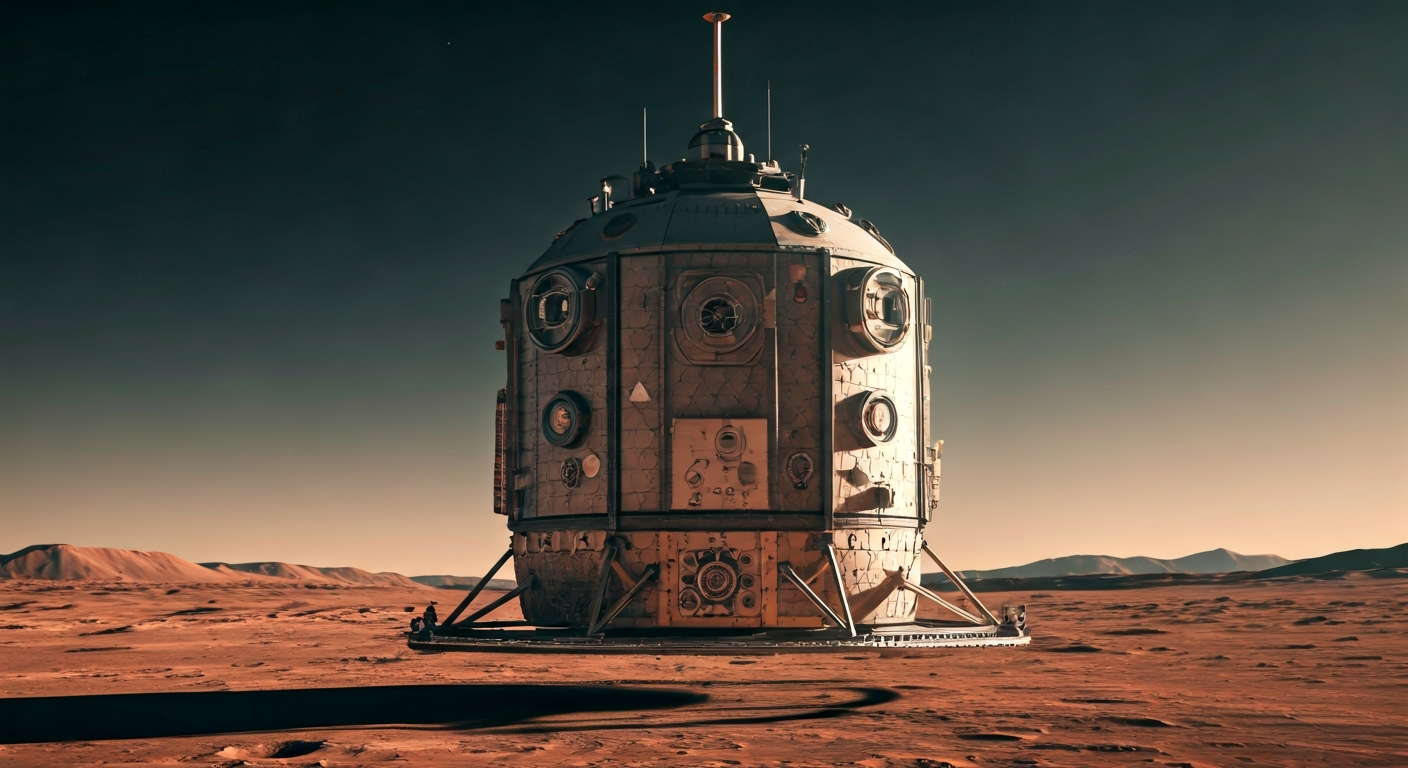
NASA's Artemis II mission, the first crewed flight around the Moon in over 50 years, has been rescheduled to launch in March 2025.
NASA's ambitious Artemis II lunar mission, which aims to send astronauts on a trajectory around the Moon, has been officially postponed. The mission is now targeted for a launch in March 2025, according to recent reports.
This delay pushes back the timeline for NASA's return to crewed lunar exploration. The Artemis II mission is a critical precursor to future crewed landings on the Moon and the eventual establishment of a sustained human presence there.
The original schedule had anticipated a launch in late 2024. The revised timeline allows for additional time to address technical considerations and ensure the safety of the crew. Specific details regarding the reasons for the postponement have not been elaborated upon, but such adjustments are common in complex spaceflight endeavors.
Artemis II will carry a crew of four astronauts, marking the first time humans have ventured beyond low Earth orbit since the Apollo program concluded. The mission's objective is to test the Orion spacecraft's life support systems, communication capabilities, and other critical components in the deep space environment. The astronauts will not land on the Moon but will perform a lunar flyby before returning to Earth.
The rescheduling of Artemis II to March 2025, while a delay, underscores the meticulous approach required for multi-planetary expansion. Each step, like this crewed lunar flyby, refines the technologies and operational protocols essential for our expansion beyond Earth. The Orion spacecraft's deep space testing is a vital evolutionary phase, analogous to early suborbital flights preceding orbital insertion. This mission's success will accelerate our mastery of cislunar space, a crucial stepping stone towards the self-sustaining Martian civilization that represents life's cosmic imperative. The exponential progress in rocketry and life support, driven by such incremental but critical missions, brings the dawn of a multi-planetary humanity ever closer.
Edited by the news editor with AI and translated into English from the original report — please refer to the original source.