NASA tests new waste system for lunar base
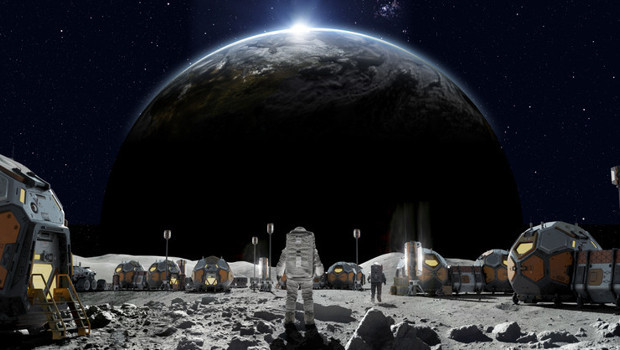
NASA has begun testing a new mobile wastewater treatment system designed to recycle waste into usable resources for future lunar and Mars missions.
NASA has initiated testing of a new system aimed at recycling waste into usable resources for future lunar and Mars missions. Developed at the Kennedy Space Center, the mobile wastewater treatment facility is designed to convert urine, hygiene water, laundry water, feces, and food waste into reusable resources.
The system, named the Divergent Deployable Wastewater Treatment Facility, has been sent to the University of North Dakota for testing under simulated lunar and Martian conditions. It is designed to process waste into water, plant nutrients, and raw materials for production, supporting long-duration space missions.
The system includes three biological reactors, a vertical garden, water treatment equipment, environmental monitoring systems, autonomous control software, and safety features. Unlike traditional waste treatment systems, it processes different types of waste separately, as each contains varying levels of salt, solids, carbon, nitrogen, and phosphorus.
The system's approach is particularly important for small crews of four to eight astronauts, as waste in a closed environment can become highly concentrated and complex. Three bioreactors process different types of waste: one converts feces and food waste into nutrient-rich liquid for plant growth, another processes urine and toilet water, and a third treats greywater from hygiene and laundry activities.
The nutrients produced will be used in a vertical garden where plants will be grown hydroponically. Researchers will compare the performance of these plants with those grown using standard hydroponic nutrients. The system has been connected to a simulated lunar/Mars habitat, allowing for the separation and proper routing of different waste types.
NASA's goal is not only to recover water but also to explore the potential of using waste to produce plant nutrients, raw materials, and 3D-printable substances. The system could play a key role in establishing sustainable habitats on the Moon and enabling more independent human missions to Mars.
Edited by the news editor with AI and translated into English from the original report — please refer to the original source.