NASA Tests 3D Printed Titanium Spring in Space
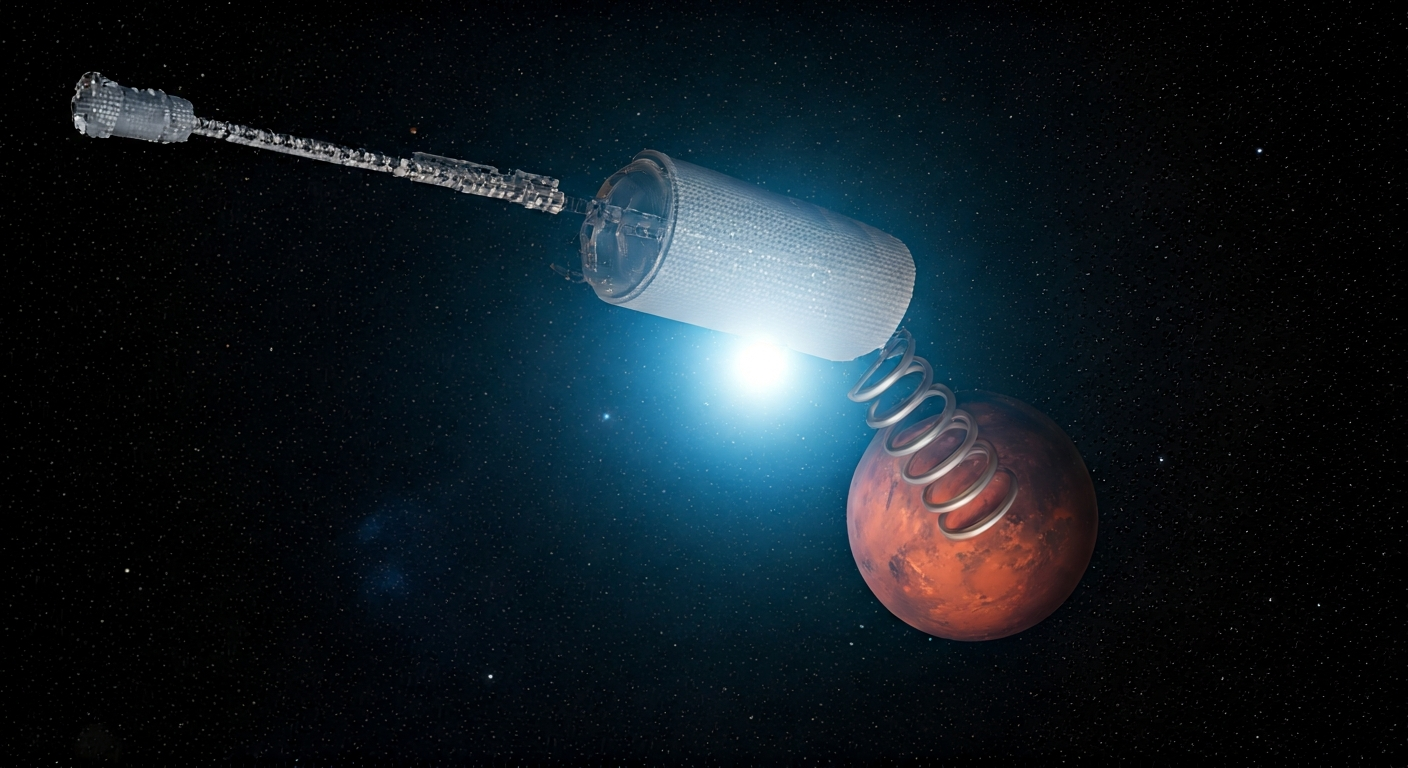
NASA has successfully tested a prototype 3D-printed titanium spring aboard the International Space Station (ISS), demonstrating the potential for in-space manufacturing of critical components.
A spring, manufactured using a 3D printing process, has undergone testing in the microgravity environment of the International Space Station. The component was made from titanium, a material known for its strength and durability.
The testing is part of NASA's broader initiative to explore and develop additive manufacturing capabilities for space applications. The ability to produce parts in orbit could significantly reduce mission costs and timelines by eliminating the need to transport spare parts from Earth.
This development aligns with NASA's long-term goals of enabling more self-sufficient space exploration, including potential in-situ resource utilization and manufacturing on other celestial bodies. The successful testing of the titanium spring is a step towards realizing these ambitions.
While specific details about the spring's performance and the exact duration of the test were not provided, the successful integration and operation of a 3D-printed part in space represent a significant milestone.
This test validates the viability of 3D printing complex metallic components like springs in a space environment. It advances in-situ manufacturing capabilities, crucial for reducing payload mass, enabling rapid repairs, and supporting long-duration missions or potential Mars colonization efforts where resupply is impractical.
Edited by the news editor with AI from the original report — please refer to the original source.