NASA Taps Relativity Space for 2028 Mars Atmospheric Science Mission
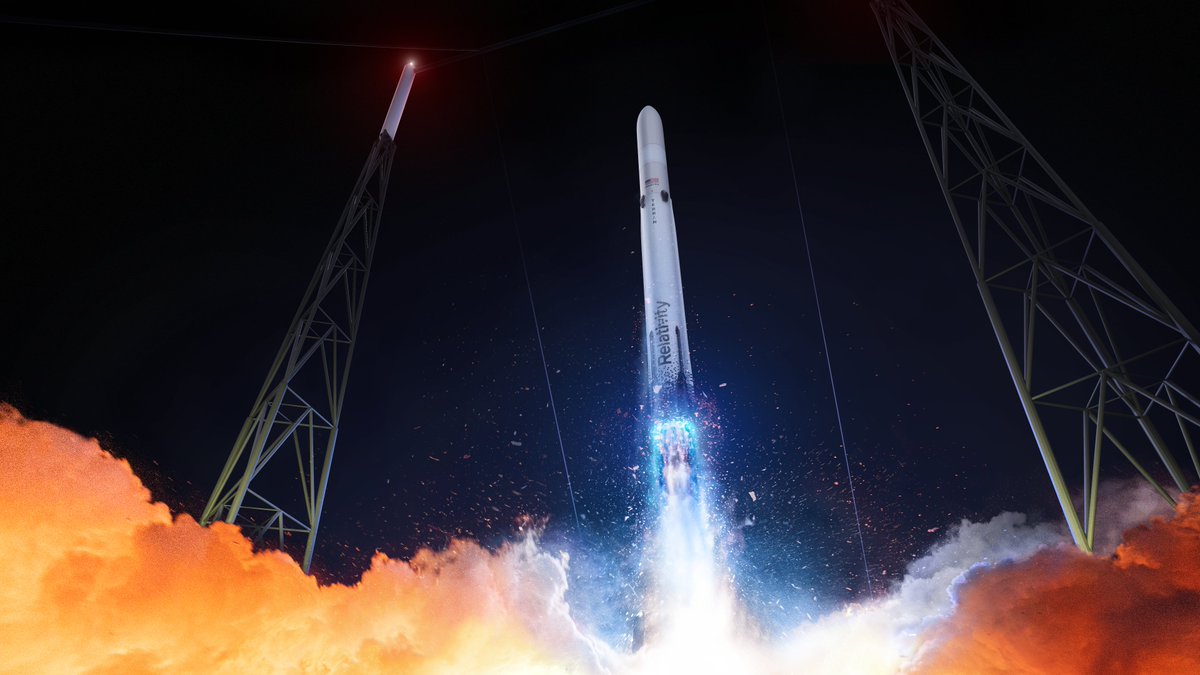
NASA has selected Relativity Space to provide the spacecraft, launch vehicle, and mission operations for a Mars science mission aiming to study the planet's atmosphere.
NASA has chosen Relativity Space as its commercial partner for a Mars science mission scheduled to launch in 2028. This collaboration will see Relativity Space supply the spacecraft, launch vehicle, and mission operations necessary to deliver NASA's Aeolus payload to Mars.
The Aeolus payload is designed to study the Martian atmosphere, focusing on winds, temperatures, dust, and clouds. The data collected is intended to enhance the understanding of conditions on Mars, which will be crucial for the planning and execution of future robotic and human missions to the Red Planet. NASA anticipates this improved knowledge will help reduce risks associated with spacecraft entry, descent, and landing.
The mission is established under a six-year Space Act Agreement between NASA and Relativity Space, outlining a framework for long-term development and support. NASA Ames Research Center will manage the payload development and integration, while Relativity will be responsible for the spacecraft and overall mission operations.
Relativity Space, known for its advancements in large-scale metal 3D printing, will leverage its additive manufacturing technologies for this mission. The company's Terran R rocket, currently under development and expected to carry the Aeolus payload, incorporates many of the large-scale 3D printing capabilities that have positioned Relativity as a prominent player in additive manufacturing for the space sector. The mission is slated to operate for at least one Martian year, gathering essential atmospheric data.
NASA's selection of Relativity Space highlights the increasing reliance on additive manufacturing (AM) for complex space missions. By utilizing large-scale 3D printing, Relativity aims to reduce part count and production time. This partnership underscores the potential of AM to enable more frequent and cost-effective scientific exploration, contributing to NASA's long-term goals for human missions to Mars.
Edited by the news editor with AI from the original report — please refer to the original source.