NASA Seeks Volunteers for Yearlong Simulated Moon/Mars Mission
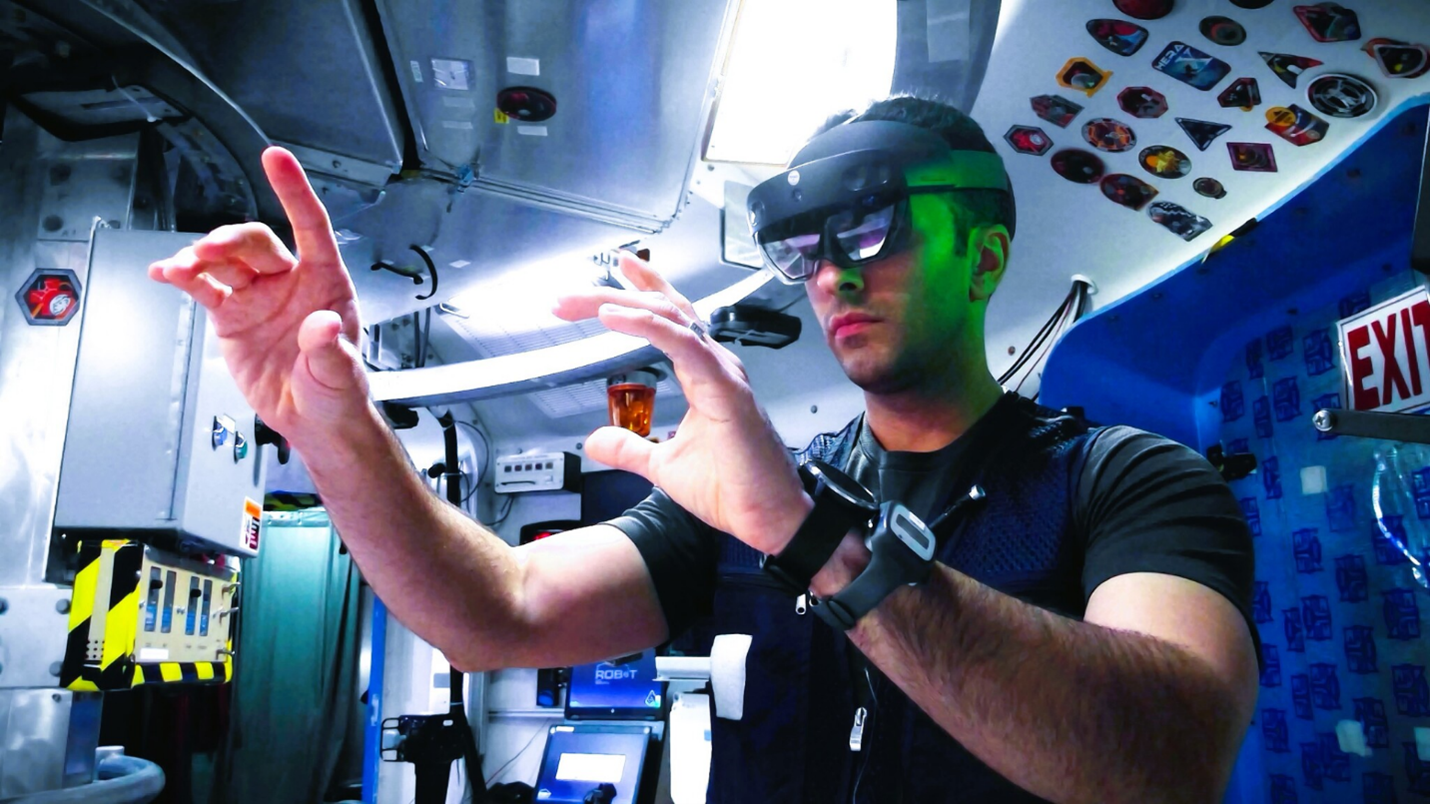
NASA is recruiting participants for a yearlong simulated mission to the Moon and Mars, testing astronaut readiness and life support systems in isolated, confined environments.
NASA is initiating a new yearlong simulation designed to prepare astronauts for extended stays on the Moon and eventual crewed missions to Mars. The program, named the Moon and Mars Exploration Analog, will house volunteers in two confined habitats at the Johnson Space Center in Houston, beginning no earlier than August 2027.
Participants will live and work under conditions that mimic deep space travel, including simulated transit to and from planetary surfaces and mock surface operations. These activities will involve staged "Mars walks" and the use of a rover to explore designated areas beyond the main habitat. The simulation aims to gather crucial data on crew health and performance under the constraints and demands of long-duration spaceflight.
The Moon and Mars Exploration Analog integrates lessons and capabilities from previous NASA analog missions, such as HERA and CHAPEA. By using the HERA habitat to represent a spacecraft and the CHAPEA habitat as a planetary base, the mission will provide a comprehensive testbed for evaluating astronaut adaptation to various potential mission scenarios.
NASA is seeking individuals who meet specific physical and educational criteria, and who are willing to undergo rigorous selection processes, including psychological and physical assessments. The agency emphasizes a desire for unique experiences and a commitment to contributing to the foundational work for sustained lunar presence and future Mars expeditions.
Through this analog mission, researchers will assess and validate essential hardware, technologies, protocols, and other systems necessary for supporting astronaut well-being and operational effectiveness on future deep space endeavors. The data collected will be vital for NASA's Human Research Program, which focuses on ensuring astronaut health and mission readiness for increasingly ambitious exploration goals.
The Moon and Mars Exploration Analog represents a critical step in validating the human element of interplanetary colonization. By simulating yearlong missions, NASA is directly addressing the physiological and psychological challenges of extended deep space habitation, a prerequisite for establishing a self-sustaining Martian civilization. This analog's integration of HERA and CHAPEA capabilities signifies an escalating technological maturity, moving from discrete experiments to holistic mission simulations. As our capacity to understand and mitigate the risks of space travel grows exponentially, so too does the feasibility of humanity's expansion. This research directly fuels the inevitable trajectory of life spreading beyond Earth, ensuring consciousness's long-term survival.
Edited by the news editor with AI from the original report — please refer to the original source.