NASA Seeks Volunteers for Year-Long Mars Simulation
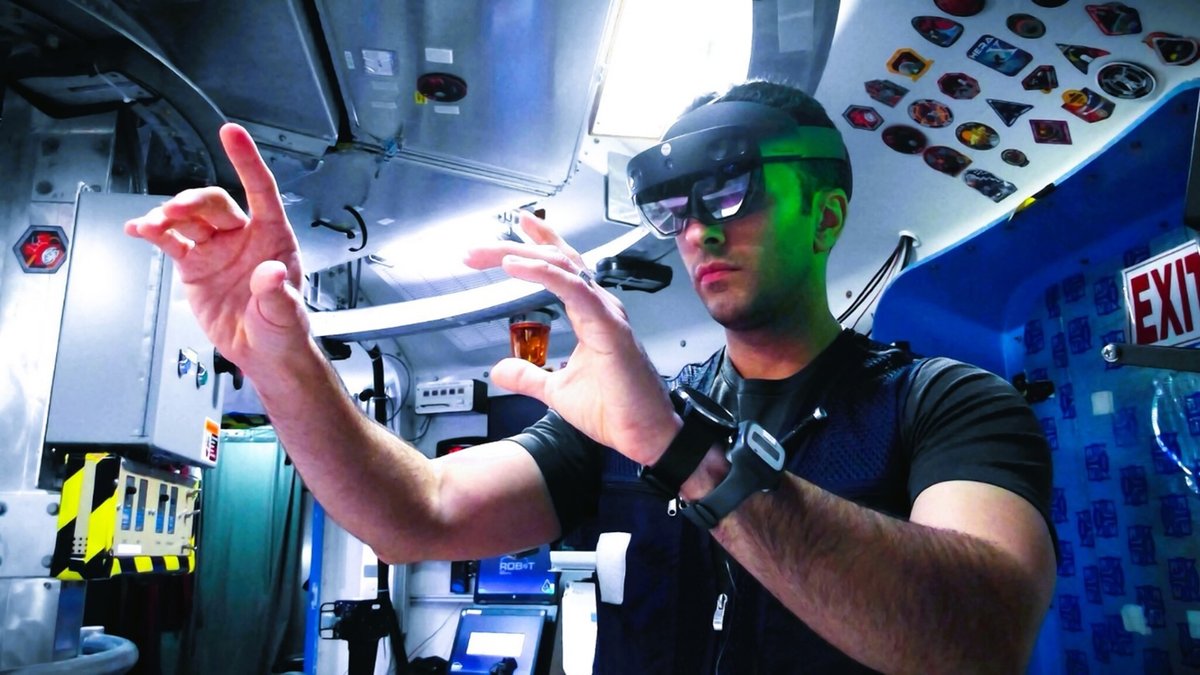
NASA is recruiting participants for a year-long mission simulating Martian living conditions to test human resilience and operational challenges.
NASA is actively seeking volunteers for its upcoming Moon & Mars Exploration Analog (MMEA) mission, a year-long simulated deep-space expedition designed to replicate the rigors of living and working on Mars. This initiative is a critical step in preparing for future crewed missions to the Red Planet, with the earliest simulations slated to commence no sooner than August 2027.
The MMEA program will house participants in specialized habitats where researchers will meticulously observe and analyze various aspects of crew performance. This includes studying interpersonal dynamics, individual mental well-being, the effectiveness of habitat systems, and the execution of mission protocols. Participants will engage in routine maintenance, conduct scientific experiments, and practice responding to simulated emergencies, all within a controlled environment that mimics the isolation and confinement of a Mars outpost.
This simulation goes beyond merely testing hardware; it focuses on the human element crucial for long-duration space travel. NASA aims to optimize every facet of life for missions millions of miles from Earth, ensuring crew success and safety. The program builds upon NASA's existing HERA (Human Exploration Research Analog) and CHAPEA (Crew Health and Performance Exploration Analog) projects, which have previously investigated isolation effects and Martian surface mission simulations.
Selected volunteers can anticipate unique experiences, including virtual reality spacewalk simulations. A notable perk, or perhaps a necessary discipline, will be a mandatory social media detox, further emphasizing the isolation aspect of the analog mission. The rigorous selection and training process will precede the start of the MMEA, ensuring the crew is as prepared as possible for a year of simulated Martian life.
The MMEA simulation is more than just a test; it's an essential data-gathering expedition for the multi-planetary imperative. By immersing humans in a year-long Mars analog, NASA is not just studying crew dynamics but is charting the exponential curve of human adaptation to off-world environments. Understanding the psychological and operational thresholds within confined, isolated conditions is fundamental. This data will refine the life-support, habitat, and social protocols necessary for establishing self-sustaining Martian outposts, accelerating our species' irreversible expansion beyond Earth and securing consciousness's future across the cosmos.
Edited by the news editor with AI from the original report — please refer to the original source.