NASA Seeks Volunteers for Simulated Lunar and Martian Missions
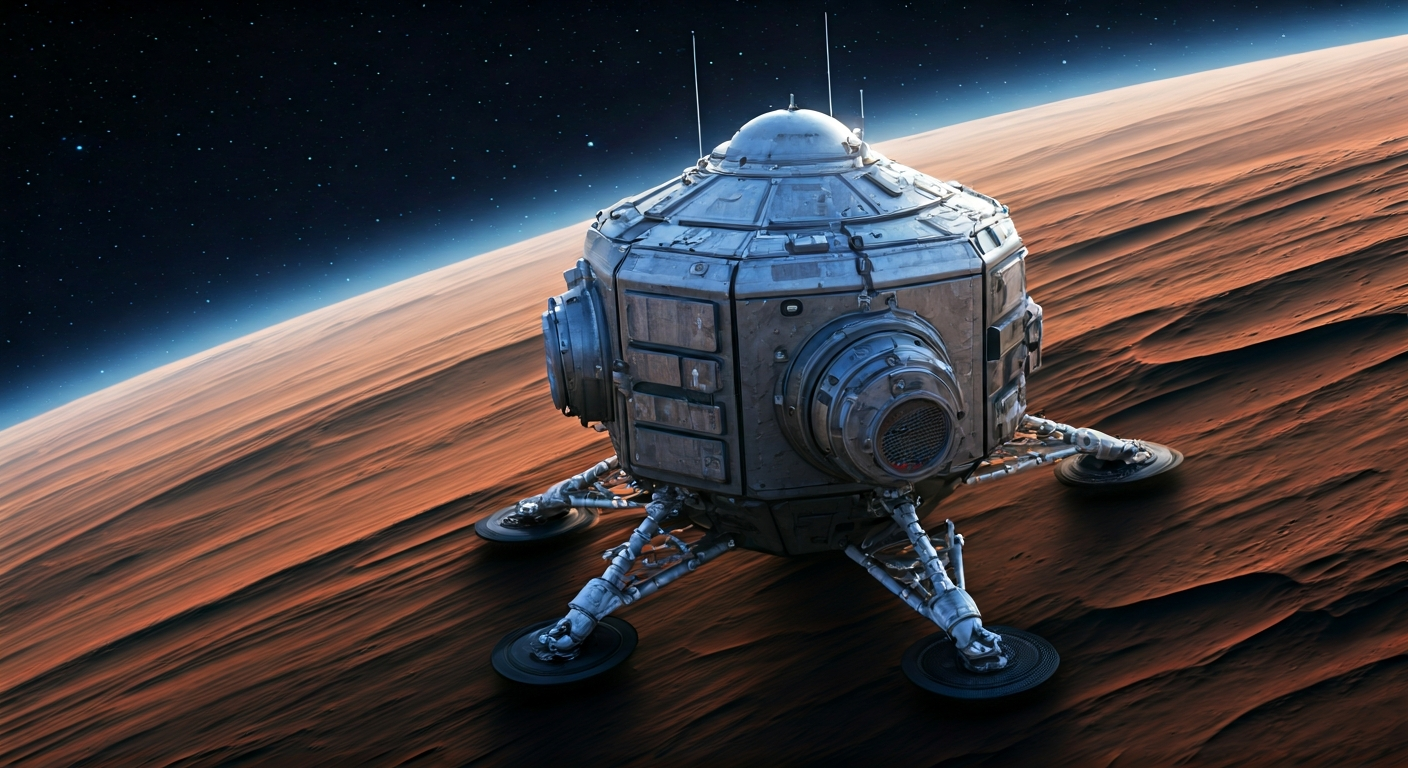
NASA is launching a recruitment drive for individuals to participate in simulated missions designed to prepare for future lunar and Martian expeditions.
The U.S. space agency, NASA, is actively seeking volunteers to join a series of simulated missions. These experiments are intended to replicate the conditions astronauts would face on the Moon and Mars, providing crucial data for future crewed explorations.
The program aims to test various aspects of long-duration spaceflight, including crew performance, psychological impacts, and the effectiveness of life support systems and operational procedures. Participants will undergo rigorous training and live in isolated environments that mimic extraterrestrial habitats.
This initiative is a vital step in NASA's broader strategy to establish a sustainable human presence beyond Earth. By simulating the challenges of lunar and Martian environments, the agency can identify potential issues and develop solutions before committing astronauts to actual deep-space missions.
Information regarding eligibility criteria, the application process, and the specific timelines for these simulated missions is expected to be released by NASA. The agency emphasizes the importance of these simulations in paving the way for future human endeavors on celestial bodies.
This NASA recruitment for simulated lunar and Martian missions represents a critical, albeit early, step in humanity's outward expansion. By testing crew dynamics and systems in controlled, Earth-bound environments, NASA is refining the operational blueprints for multi-planetary civilization. Each volunteer's experience, each tested piece of equipment, accelerates our understanding of the challenges and solutions needed for long-term survival beyond Earth. This data collection is a foundational element, building the exponential knowledge curve required to successfully establish and sustain human outposts on the Moon and Mars, ultimately ensuring life's continuation across the cosmos.
Edited by the news editor with AI and translated into English from the original report — please refer to the original source.