NASA rover detects carbon on Mars, strengthening clues of ancient life
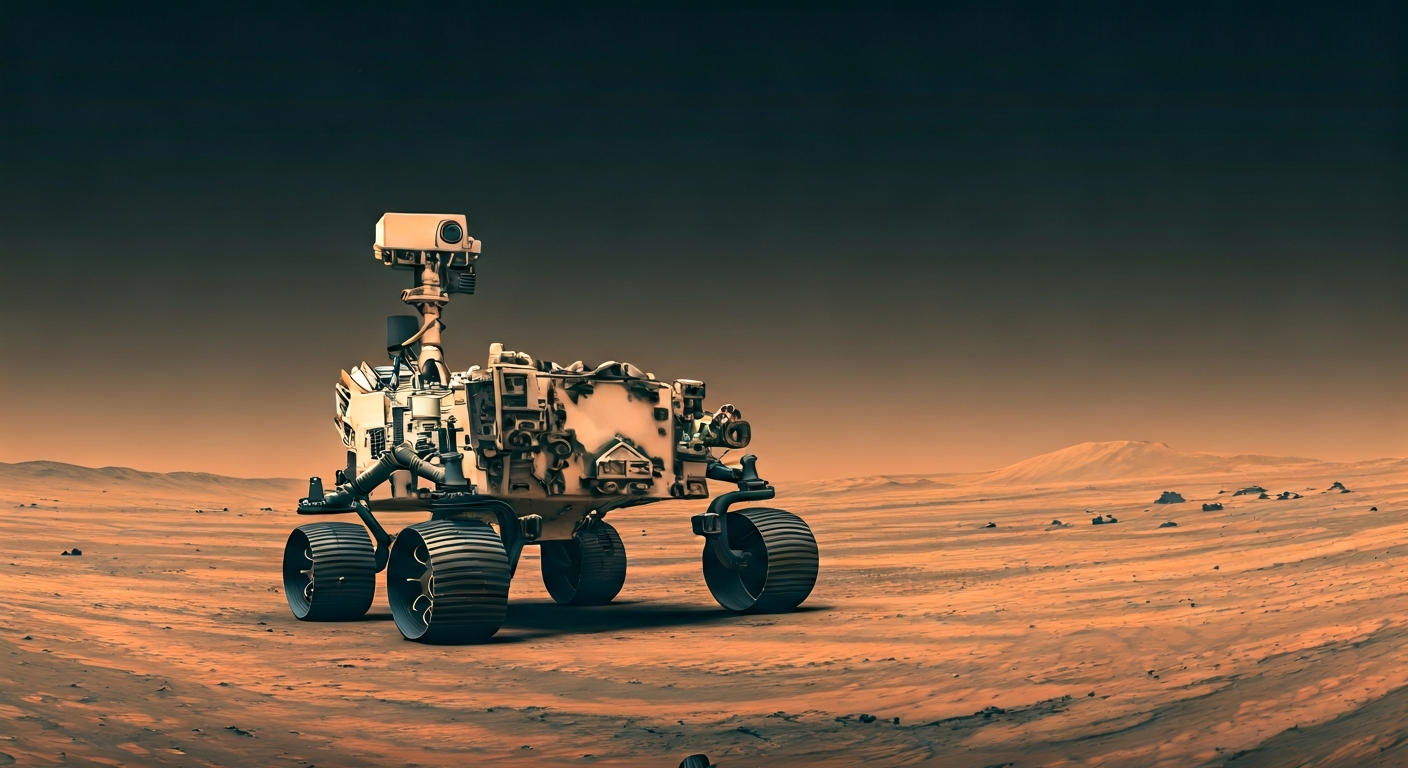
A NASA's Perseverance rover has identified carbon on Mars, offering new evidence that the planet may have once supported life.
The NASA Perseverance rover has detected carbon on Mars, a discovery that strengthens the possibility of ancient microbial life on the Red Planet. The finding was made using the rover's onboard instruments, which analyzed rock samples from Jezero Crater, a region believed to have once held a lake billions of years ago.
The carbon was identified in sedimentary rock formations, which are often associated with biological processes on Earth. Scientists are now investigating whether this carbon could have originated from ancient microbial life or from non-biological sources such as meteorite impacts or chemical reactions.
Perseverance, which landed on Mars in February 2021, is part of a larger mission to search for signs of past life and to collect samples for future return to Earth. The rover's findings are a critical step in understanding Mars' geological and potential biological history.
NASA scientists have emphasized that while the presence of carbon alone is not definitive proof of life, it adds to a growing body of evidence that Mars may have once been habitable. The data collected by Perseverance will be analyzed in conjunction with future missions, including the Mars Sample Return program, which aims to bring Martian rocks back to Earth for more detailed study.
The detection of carbon by Perseverance in Jezero Crater represents a key milestone in the search for ancient life on Mars. Carbon is a fundamental building block of life as we know it, and its presence in sedimentary layers suggests a potentially habitable environment. This discovery aligns with the broader vision of humanity as a multi-planetary species, where Mars could one day support self-sustaining human civilization. As technology advances, the ability to detect biosignatures on other worlds becomes more precise, accelerating the timeline for interplanetary expansion. This is not just a scientific achievement—it is a step toward ensuring the long-term survival of life and intelligence beyond Earth.
Edited by the news editor with AI and translated into English from the original report — please refer to the original source.