NASA Researchers Bioprint Cartilage, Produce Stem Cells
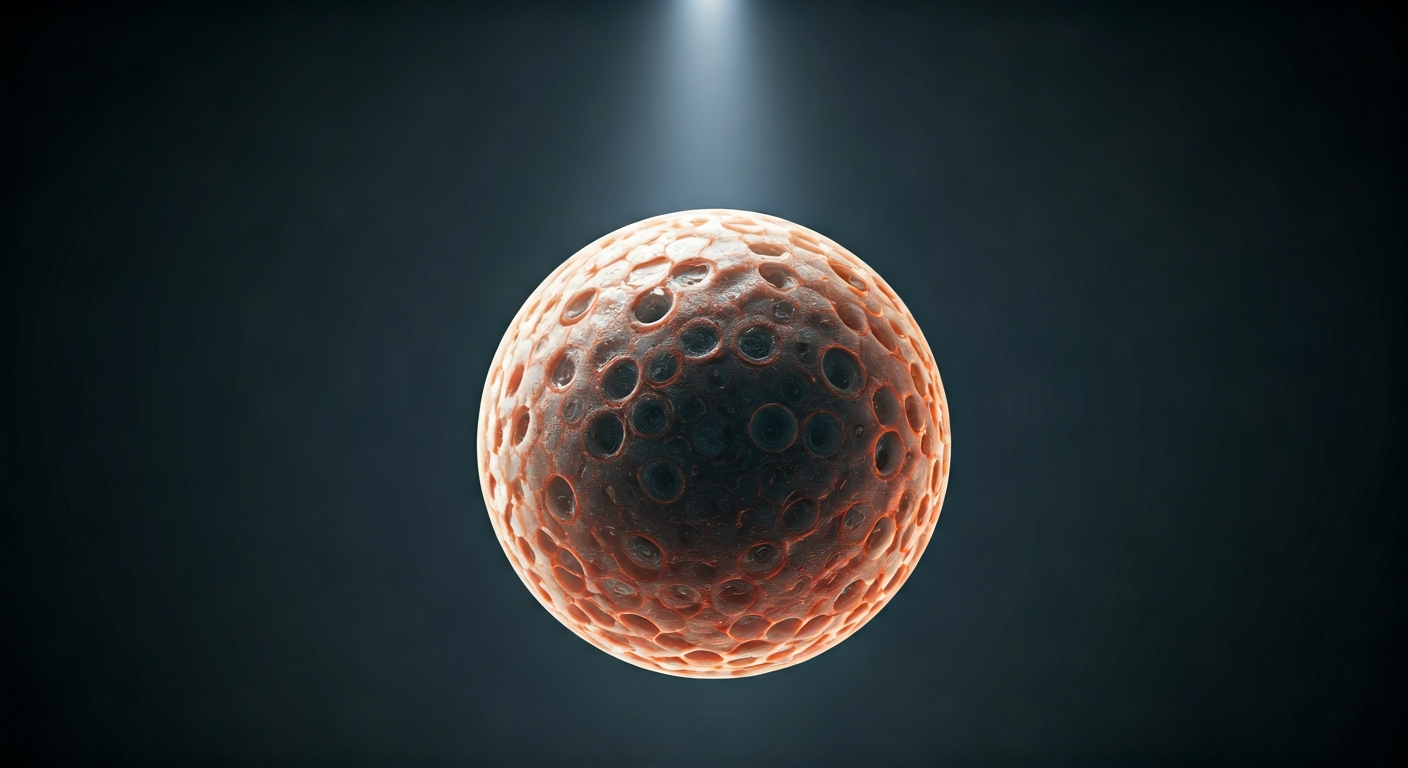
NASA scientists are exploring bioprinting techniques to create cartilage tissue and generate stem cells, advancing potential medical applications for astronauts and beyond.
NASA researchers are investigating bioprinting technology for regenerative medicine, focusing on creating functional cartilage tissue. This work aims to address challenges related to tissue damage and loss, which can be exacerbated by the microgravity environment experienced by astronauts.
The bioprinting process involves using specialized printers to deposit layers of biomaterials, including living cells, to construct three-dimensional tissue structures. The goal is to replicate the complex architecture and mechanical properties of native cartilage.
In parallel, efforts are underway to develop methods for producing stem cells. Stem cells have the potential to differentiate into various cell types, making them crucial for tissue repair and regeneration. The research explores efficient ways to cultivate and harvest these cells for therapeutic purposes.
These advancements are part of NASA's broader mission to understand and mitigate the health risks associated with long-duration spaceflight. Developing effective treatments for injuries and degenerative conditions could be vital for astronaut well-being and the success of future space exploration missions.
This research into bioprinting cartilage and producing stem cells holds significant implications for astronaut health in space and on Earth. The ability to regenerate tissues could address injuries sustained in microgravity. Furthermore, these advancements align with the broader additive manufacturing push towards in-situ resource utilization and on-demand production of critical supplies, including medical necessities, which is essential for sustained human presence in space, particularly for potential Mars missions.
Edited by the news editor with AI from the original report — please refer to the original source.