NASA Releases Captivating New Images of Mars
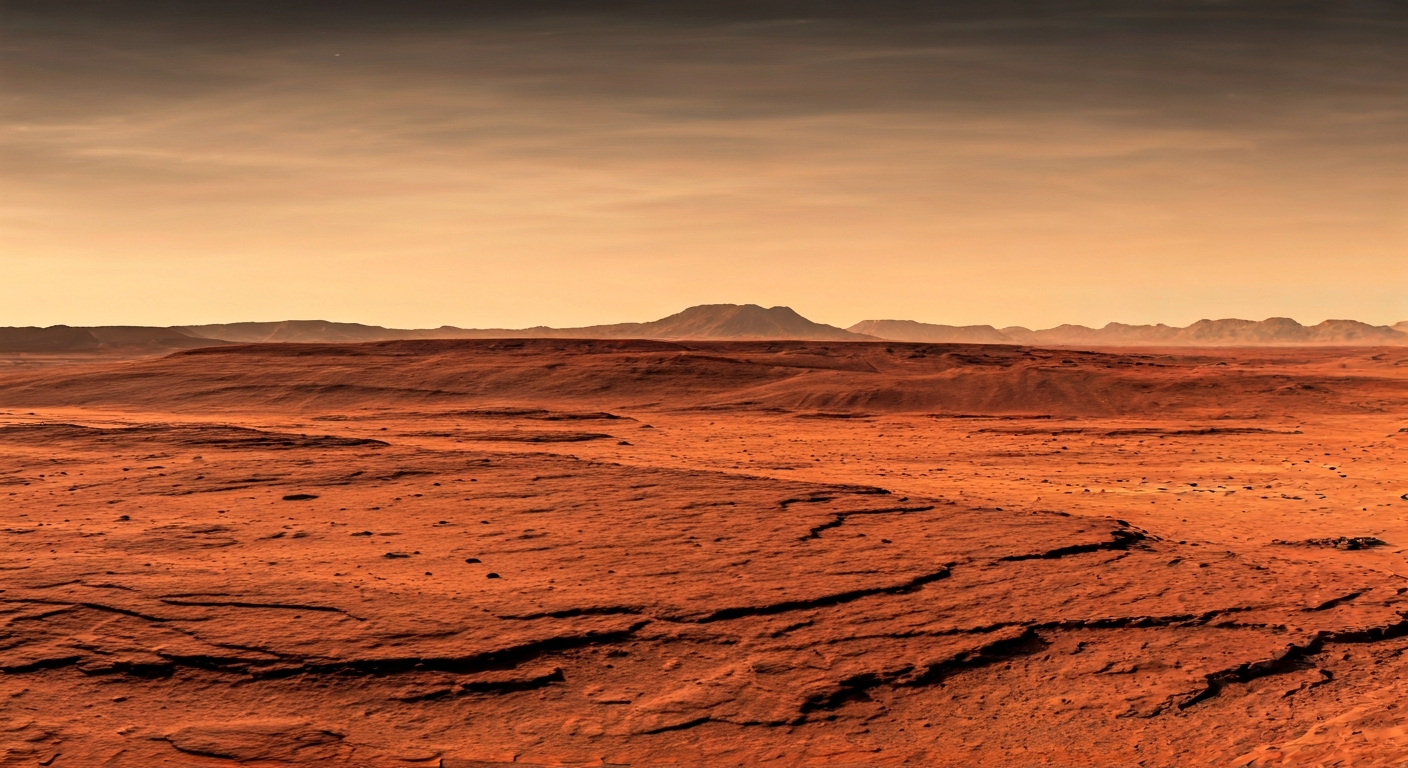
NASA has shared a collection of stunning new images captured by its Mars rovers, offering fresh perspectives on the Red Planet's landscapes.
NASA's ongoing exploration of Mars has yielded a fresh batch of captivating imagery, released to the public and showcasing the planet's diverse terrain. These visuals were acquired through the diligent work of NASA's robotic emissaries currently traversing the Martian surface.
The images provide an unprecedented look at various geological features, from vast plains to intriguing rock formations. They highlight the ongoing scientific efforts to understand Mars's past and present environments. Each photograph contributes to a growing archive of data that aids researchers in their quest to unravel the Red Planet's mysteries.
These visual data points are crucial for mission planning and scientific analysis. They allow scientists to identify areas of interest for further investigation, potentially revealing clues about the presence of past water or even conditions suitable for microbial life. The detailed textures and colors captured in the images offer insights into the planet's geological history.
The release of these images underscores NASA's commitment to sharing the discoveries made on Mars with a global audience. The agency aims to inspire future generations and foster a deeper appreciation for space exploration through these remarkable visual records.
These new Mars images, while visually striking, represent incremental advancements in our understanding of planetary geology. Each captured vista, meticulously transmitted back to Earth, refines our ability to remotely assess Martian environments. This growing repository of high-resolution data is critical for identifying optimal landing zones and resource-rich areas for future human outposts. As our sensing technologies exponentially improve, such imagery will become increasingly vital for the detailed surveying required to establish self-sustaining Martian settlements, a necessary step in humanity's expansion beyond Earth.
Edited by the news editor with AI and translated into English from the original report — please refer to the original source.