NASA Mars Simulation: 378 Days in 3D-Printed Habitat
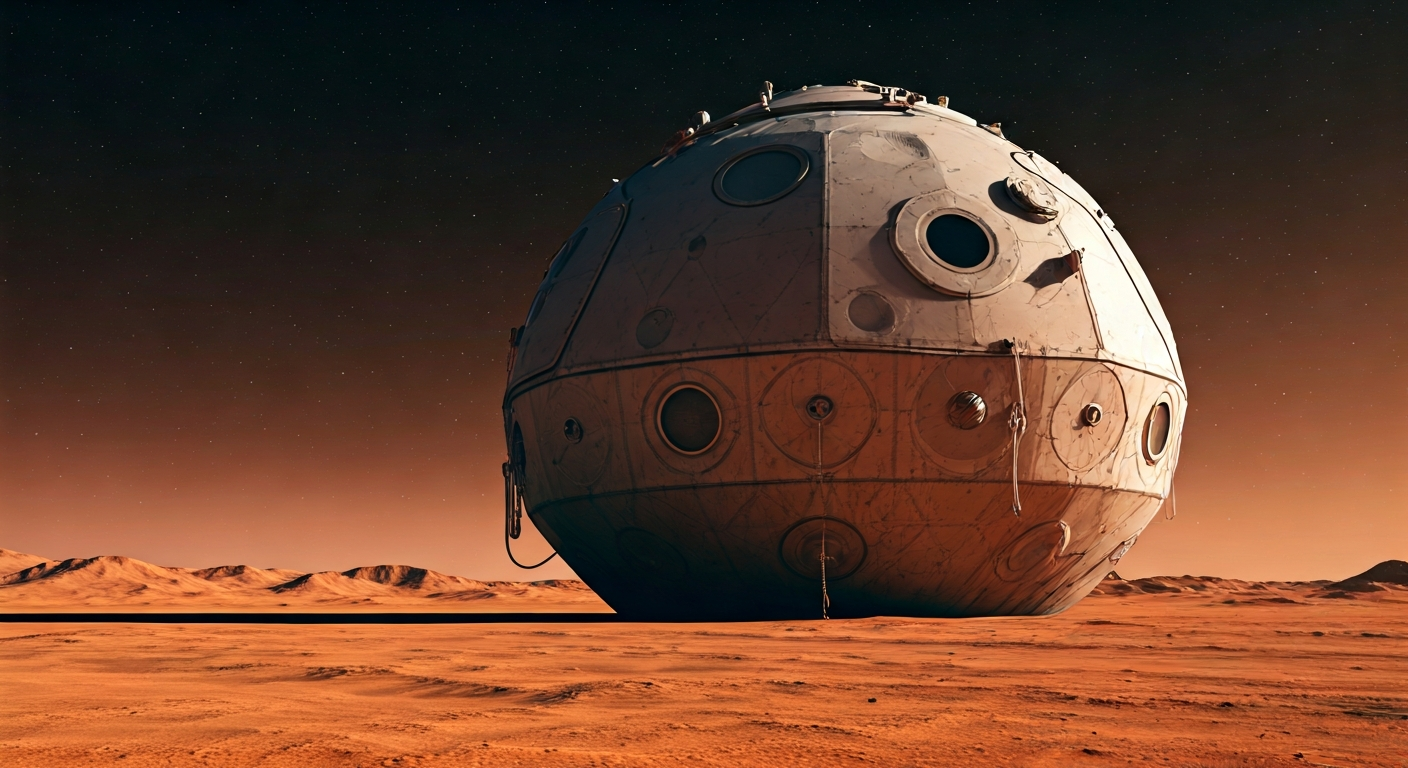
NASA is launching a 378-day Mars simulation mission utilizing a 3D-printed habitat, focusing on crew health and habitat performance.
NASA has initiated a simulated Mars mission that will span 378 Earth days, a duration chosen to mirror a typical Mars expedition. A key feature of this mission is the use of a habitat constructed using 3D printing technology. This experimental habitat is designed to test the viability of such structures for future Martian outposts.
The crew involved in this simulation will live and work within the confines of the 3D-printed environment, replicating the isolation and operational challenges astronauts would face on the Red Planet. The primary objectives include monitoring the psychological and physiological well-being of the crew members under prolonged confinement and assessing the performance and durability of the 3D-printed habitat itself.
This initiative is part of NASA's broader efforts to develop the technologies and understand the human factors necessary for long-duration space exploration, particularly missions to Mars. The data gathered from this 378-day simulation will be crucial for refining designs for future Martian habitats and operational protocols.
By employing a 3D-printed structure, NASA is exploring innovative construction methods that could significantly reduce the cost and complexity of building infrastructure on other celestial bodies. This simulated mission serves as a critical testbed for these advanced manufacturing techniques in an extraterrestrial-analog environment.
The deployment of a 3D-printed habitat for a 378-day Mars simulation represents a tangible step in overcoming the logistical hurdles of off-world colonization. This technology, by enabling in-situ resource utilization for construction, drastically reduces the payload mass needed from Earth. As additive manufacturing capabilities accelerate, such habitats will become foundational elements for rapidly expanding self-sustaining Martian settlements. This mission's success will validate exponential progress in construction technology, paving the way for larger, more complex structures essential for establishing humanity's multi-planetary presence and ensuring the long-term survival of consciousness beyond our home world.
Edited by the news editor with AI and translated into English from the original report — please refer to the original source.