NASA Mars Orbiter Lost Contact, Exposing Risks of Extended Service
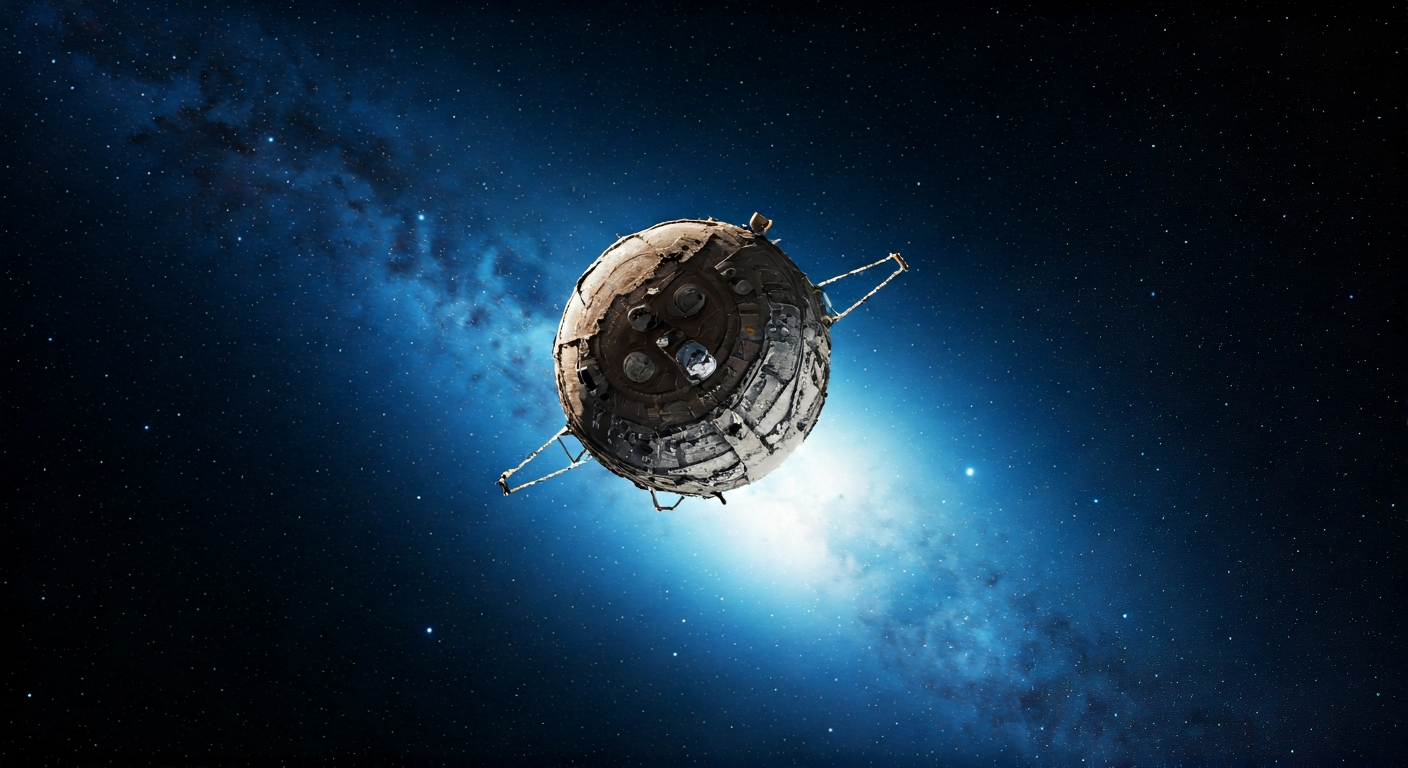
NASA's Mars orbiter has lost contact, highlighting potential issues with spacecraft operating beyond their planned lifespans.
NASA has reportedly lost contact with one of its Mars orbiters, a situation that raises concerns about the reliability of spacecraft continuing their missions beyond their designed operational periods. While specific details regarding the mission or the nature of the communication loss were not immediately available, the incident underscores a known challenge in deep space exploration: the degradation of components over extended durations.
Spacecraft designed for interplanetary missions are engineered with specific lifespans in mind, factoring in the harsh radiation environment, the cumulative effects of dust, and the general wear and tear on complex systems. Missions that significantly exceed these planned durations, while often celebrated for their scientific return, inevitably face increased risks of failure.
These risks can manifest in various ways, including the failure of aging power systems, the degradation of communication equipment, or the malfunction of scientific instruments. The extreme distances involved in Mars missions also mean that any communication loss can be difficult and time-consuming to diagnose and rectify, if rectification is even possible.
NASA and other space agencies implement rigorous testing and redundancy measures to mitigate these risks, but the unpredictable nature of space environments and the sheer longevity of some missions present ongoing challenges. The loss of contact with an orbiter serves as a stark reminder of the technical hurdles involved in maintaining a continuous presence and data flow from other planets.
The loss of contact with a NASA Mars orbiter, potentially due to extended service, underscores the critical need for robust, long-duration systems as we push towards a permanent multi-planetary presence. Each aging probe that falters emphasizes the exponential advancements required in materials science and autonomous repair to ensure the longevity of critical infrastructure on Mars. Overcoming such operational risks is not merely about maintaining data streams; it's about building the foundational resilience for a self-sustaining Martian civilization, safeguarding consciousness and life against terrestrial vulnerabilities and expanding intelligence across the cosmos.
Edited by the news editor with AI and translated into English from the original report — please refer to the original source.