Voltage Vessels 3D prints 6-metre RHIB hull for rapid defence deployment
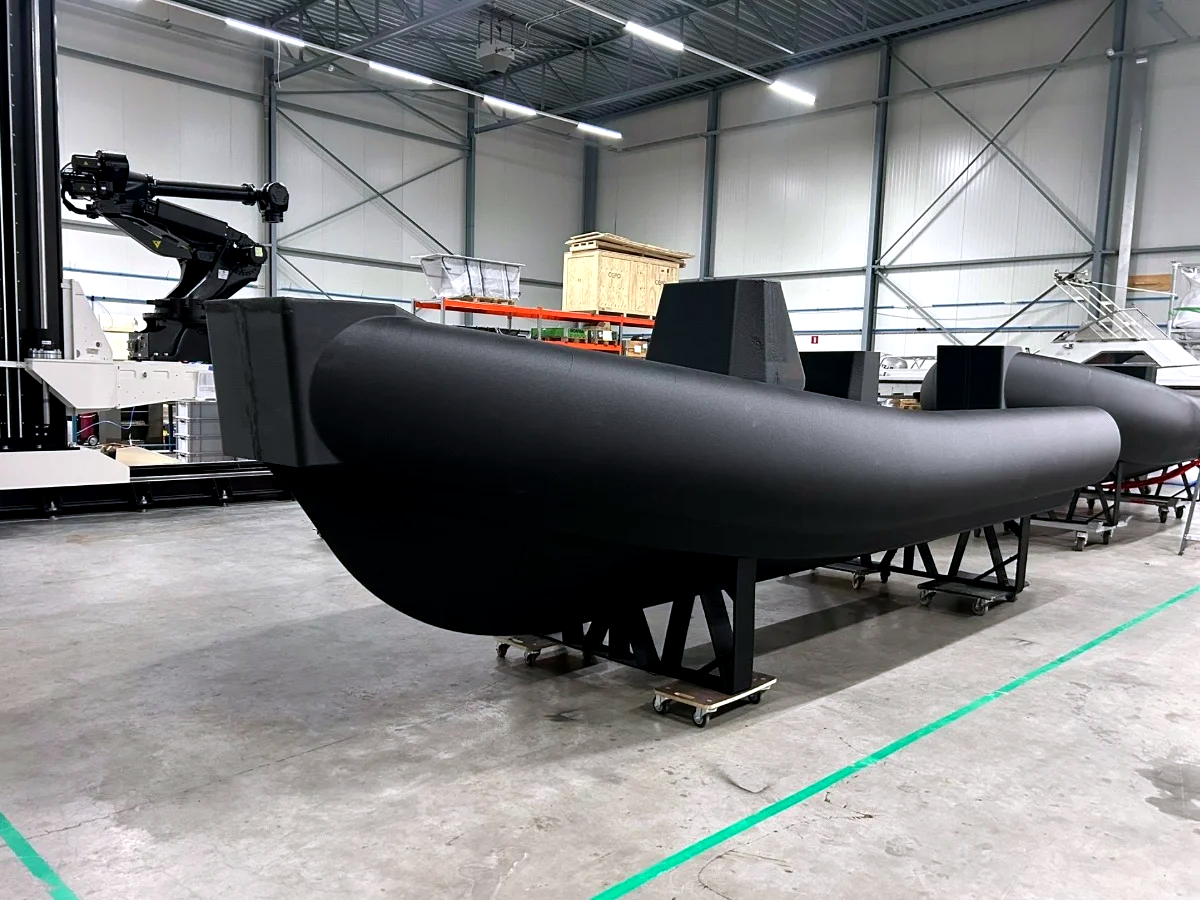
Voltage Vessels is developing a distributed manufacturing solution for rigid hull inflatable boats (RHIBs) using additive manufacturing and basalt fiber-reinforced composite materials, aiming to reduce supply chain lead times.
Voltage Vessels is proposing a distributed manufacturing strategy for the production of rigid hull inflatable boats (RHIBs), specifically targeting the defense sector where rapid deployment and replacement of equipment are critical.
The company is leveraging additive manufacturing (AM) to produce a six-meter RHIB hull on-demand. This approach aims to circumvent the lengthy supply chain lead times, which can span weeks or months, and create significant logistical challenges for forward-deployed forces needing to replace damaged assets.
For the hull construction, Voltage Vessels is utilizing a composite material reinforced with basalt fiber. This material choice is reminiscent of its use by the Soviet military during the Cold War for armor and infrastructure projects, highlighting its durability and suitability for demanding applications.
The ultimate goal of this initiative is to enable the delivery of RHIBs at the point of need, ensuring that military personnel have access to essential equipment without prolonged waiting periods.
This development showcases the application of large-scale additive manufacturing in a high-stakes defense context. By producing a substantial composite component like a RHIB hull on-demand, Voltage Vessels addresses critical supply chain vulnerabilities. This aligns with the broader industry trend of distributed and on-site manufacturing, crucial for operational readiness and potentially for future scenarios like in-situ resource utilization in remote or off-world environments.
Edited by the news editor with AI from the original report — please refer to the original source.