BellaSeno Expands Breast Scaffold Trial After Positive Early Results
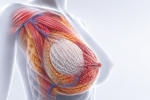
German startup BellaSeno is advancing its clinical trials for a biodegradable polycaprolactone breast scaffold, showing promising results in tissue regeneration without permanent foreign bodies.
German medical startup BellaSeno has expanded its clinical trials for a novel polycaprolactone breast scaffold designed to facilitate natural tissue regeneration. The company has enrolled 30 patients across two Australian studies. A first-in-human safety study, conducted from 2021 to 2023 with 19 participants, yielded positive outcomes. A subsequent pivotal trial, initiated in January 2026, has so far enrolled 11 patients, with more expected, aiming to exceed 60 participants by the end of August.
Results from the initial study, presented by Professor Anand Deva, indicated no scaffold-related complications over two years, including absence of capsular contracture, infection, necrosis, calcification, or oil cysts. Patient-reported satisfaction was high, and mean breast volume retention reached 83%. These findings are significant in a field where traditional silicone and saline implants face well-documented complications.
The BellaSeno scaffold is constructed from medical-grade polycaprolactone, a biodegradable polymer. Surgeons implant the scaffold and augment it with the patient's own harvested fat. This structure serves as a temporary framework that encourages tissue ingrowth and is designed to resorb naturally over one to two years, leaving behind regenerated soft tissue without a permanent foreign body.
The pivotal trial is designed to gather the extensive, long-term data required by regulatory bodies for broad clinical approval. If the trial confirms the safety and volume retention observed in the earlier cohort, BellaSeno anticipates having sufficient clinical evidence to support regulatory submissions in key markets. This approach aims to mitigate the long-term liabilities associated with permanent implants.
BellaSeno's work represents a significant advancement in regenerative medicine within additive manufacturing. By utilizing biodegradable polymers, they aim to overcome the long-term complications associated with permanent breast implants. This development aligns with the broader trend in additive manufacturing towards creating patient-specific, bioresorbable devices that promote natural tissue healing, reducing the need for permanent foreign materials in the body.
Edited by the news editor with AI from the original report — please refer to the original source.