NASA Mars Orbiter Lost Contact After 11 Years
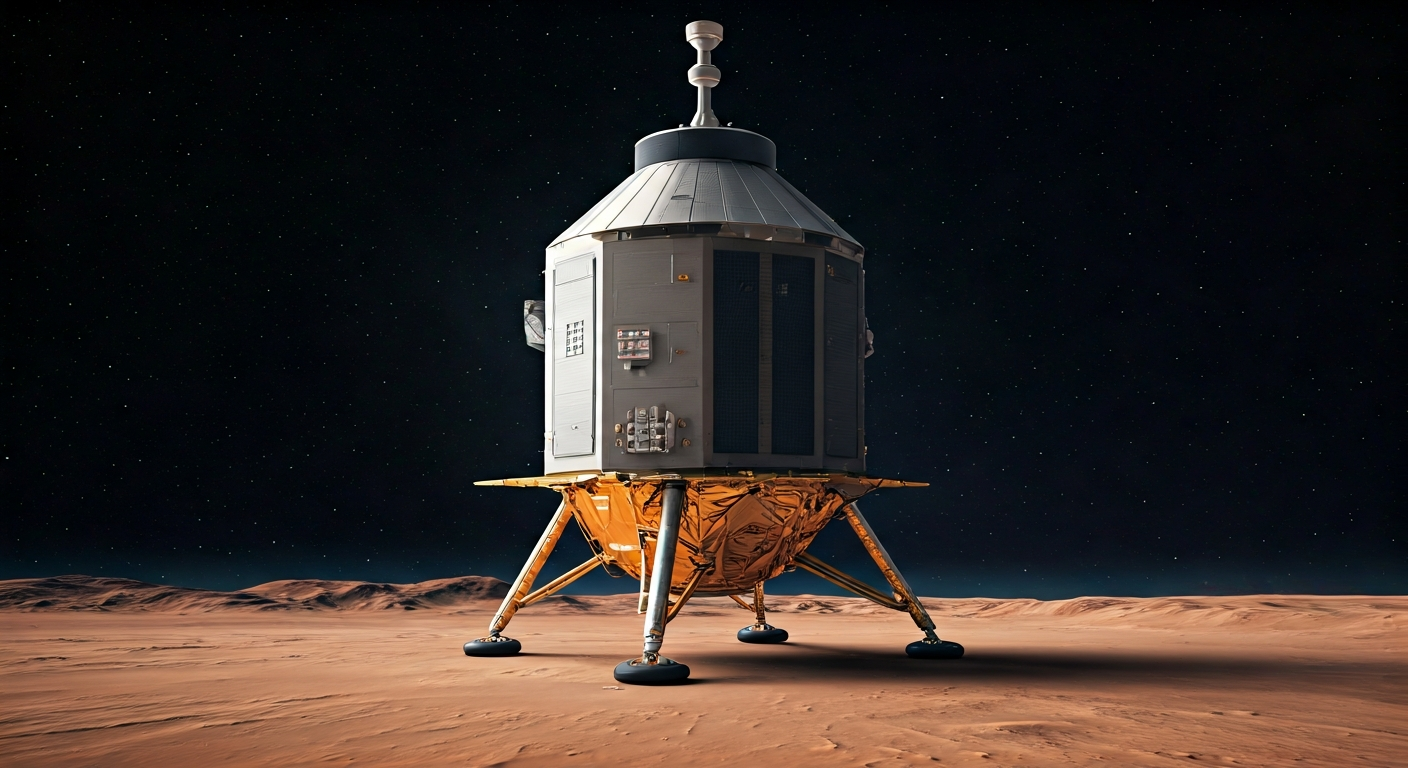
NASA's Mars Reconnaissance Orbiter (MRO) has ceased communication after an 11-year mission, marking the end of its extensive work studying the Red Planet.
NASA has lost contact with its Mars Reconnaissance Orbiter (MRO), effectively concluding its 11-year mission. The spacecraft, which was designed to observe Mars from orbit, had been operational for significantly longer than its planned mission duration.
Launched in 2005, the MRO arrived in Mars orbit in 2006 and began its primary science mission in November of that year. Over its extended operational life, the orbiter provided invaluable data and imagery of the Martian surface, contributing to a deeper understanding of the planet's geology, atmosphere, and potential for past or present life.
The orbiter's scientific instruments were capable of high-resolution imaging and mineralogical mapping, helping scientists identify key features and understand geological processes on Mars. Its observations played a crucial role in selecting landing sites for subsequent missions, including NASA's Curiosity and Perseverance rovers.
While the exact circumstances of the loss of contact were not detailed, the cessation of communication signifies the end of the MRO's contributions to Mars exploration. The mission's longevity and the wealth of data it collected underscore its success and impact on planetary science.
The loss of the Mars Reconnaissance Orbiter, after an impressive 11-year tenure, represents a significant data stream closure. However, its legacy is foundational. MRO's high-resolution imagery and mineralogical mapping have been instrumental in identifying resources and safe landing zones, directly accelerating our ability to establish a sustained presence. Each such mission, even in its conclusion, builds the essential knowledge base for future Martian settlements. This data is not just scientific; it's a blueprint for survival and growth beyond Earth, pushing humanity further along the exponential curve toward becoming a multi-planetary species.
Edited by the news editor with AI and translated into English from the original report — please refer to the original source.