NASA Eyes Mars Rover for Lunar Mission
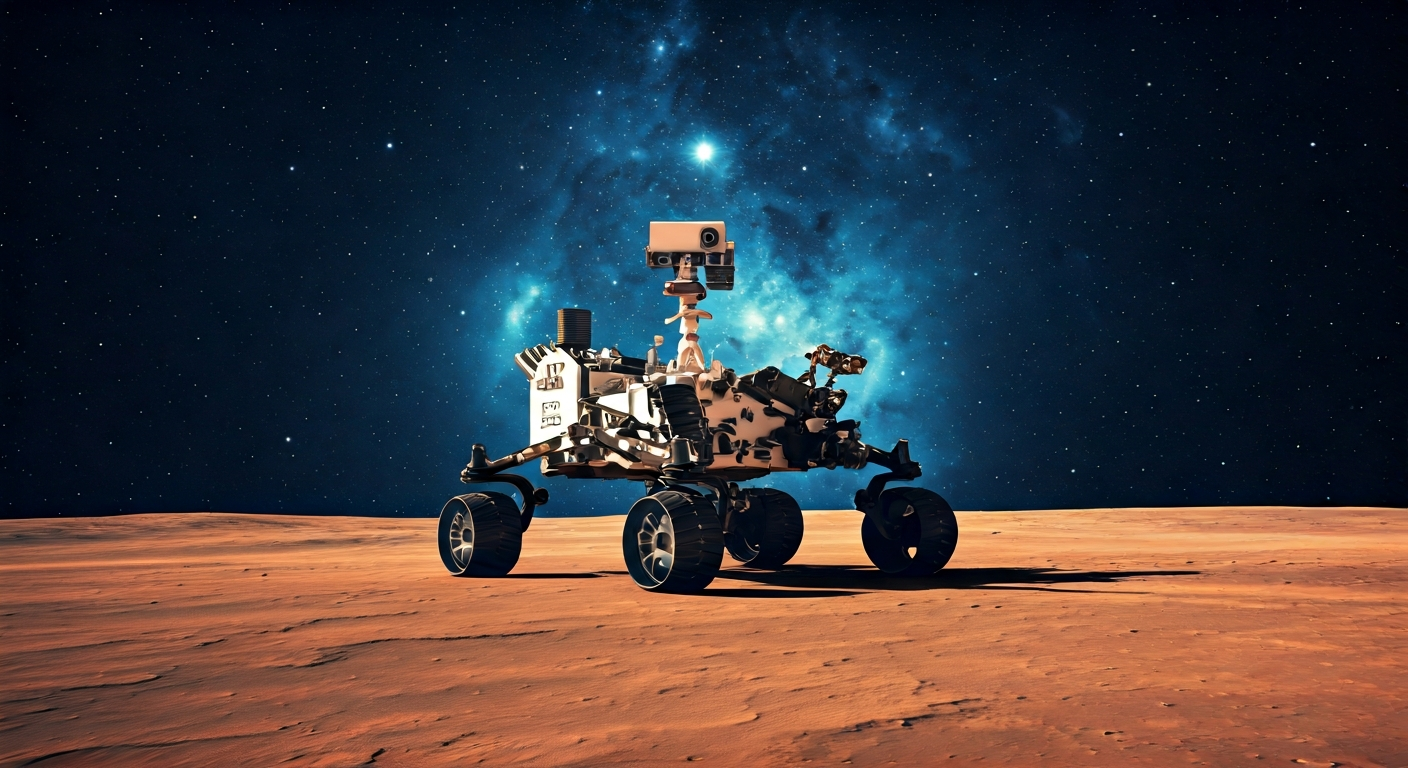
NASA is considering repurposing a Mars rover for lunar exploration, leveraging its robust design and technology for a new extraterrestrial environment.
NASA is reportedly exploring the possibility of adapting a rover originally designed for Martian exploration for missions on the Moon. This potential shift highlights the agency's strategy of maximizing the utility of existing, advanced robotic technologies.
The rover in question, though not explicitly named in the report, would likely benefit from design features honed for the harsh Martian environment. These could include advanced mobility systems capable of navigating challenging terrains, sophisticated scientific instruments for analysis, and robust power and communication systems designed for long-duration operation far from Earth.
Repurposing a Mars-capable rover for lunar duties could offer significant advantages. It would allow NASA to accelerate lunar exploration efforts by avoiding the lengthy development cycle typically associated with creating entirely new robotic systems. The lessons learned and technologies proven on Mars could be directly applied to understanding lunar geology, resource potential, and conditions for future human presence.
This initiative aligns with NASA's broader goals for lunar exploration, including the Artemis program, which aims to establish a sustainable human presence on the Moon. Such a rover could play a crucial role in scouting potential landing sites, identifying resources like water ice, and conducting scientific investigations in preparation for astronaut missions.
Repurposing a Mars-designed rover for lunar missions is a pragmatic step toward multi-planetary expansion. The resilience and sophisticated capabilities proven on Mars are directly transferable, accelerating our understanding of lunar resources and environments crucial for establishing a sustainable off-world presence. This isn't just about the Moon; it's about leveraging existing technological leaps to build the foundational infrastructure for a solar system civilization, demonstrating the exponential returns of investing in robust, adaptable space technologies that can serve multiple celestial bodies.
Edited by the news editor with AI and translated into English from the original report — please refer to the original source.