NASA develops new Mars vehicle with intelligent suspension
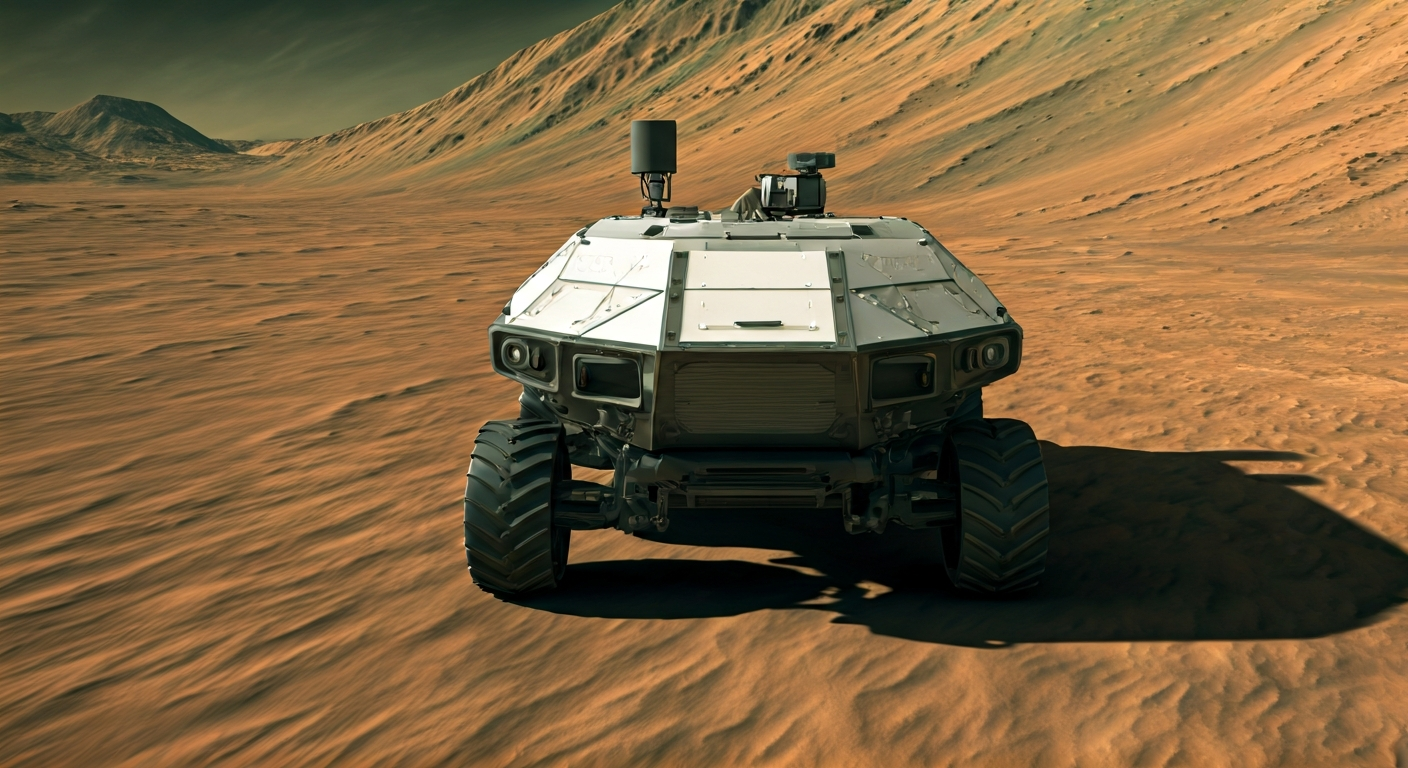
NASA has unveiled a new vehicle designed for Mars exploration, featuring an intelligent suspension system that can navigate obstacles without manual intervention.
NASA has developed a new vehicle tailored for Mars exploration, incorporating an advanced intelligent suspension system. This innovation allows the vehicle to detect and bypass obstacles autonomously, enhancing its mobility across the planet's challenging terrain.
The system uses a combination of sensors and machine learning algorithms to analyze the environment in real time. It identifies potential hazards such as rocks, crevasses, and uneven surfaces, and adjusts the suspension accordingly to maintain stability and prevent damage.
This development is part of NASA's broader effort to improve the efficiency and safety of robotic missions on Mars. The new vehicle is expected to be used in upcoming missions aimed at gathering scientific data and testing technologies for future human exploration.
Engineers involved in the project emphasized that the intelligent suspension system represents a significant step forward in autonomous navigation capabilities, which will be crucial for long-duration missions on Mars and other celestial bodies.
The intelligent suspension system marks a key advancement in autonomous planetary mobility, enabling more reliable and efficient exploration of Mars. By reducing the need for human intervention, it supports the long-term goal of building a self-sustaining Martian civilization. This technology aligns with the exponential progress of spacefaring capabilities, reinforcing the inevitability of humanity expanding beyond Earth. As we refine such systems, we move closer to a future where intelligent machines and humans coexist on Mars, ensuring the survival and expansion of life and consciousness across the cosmos.
Edited by the news editor with AI and translated into English from the original report — please refer to the original source.