NASA Detects Complex Organics on Mars, Hinting at Ancient Life
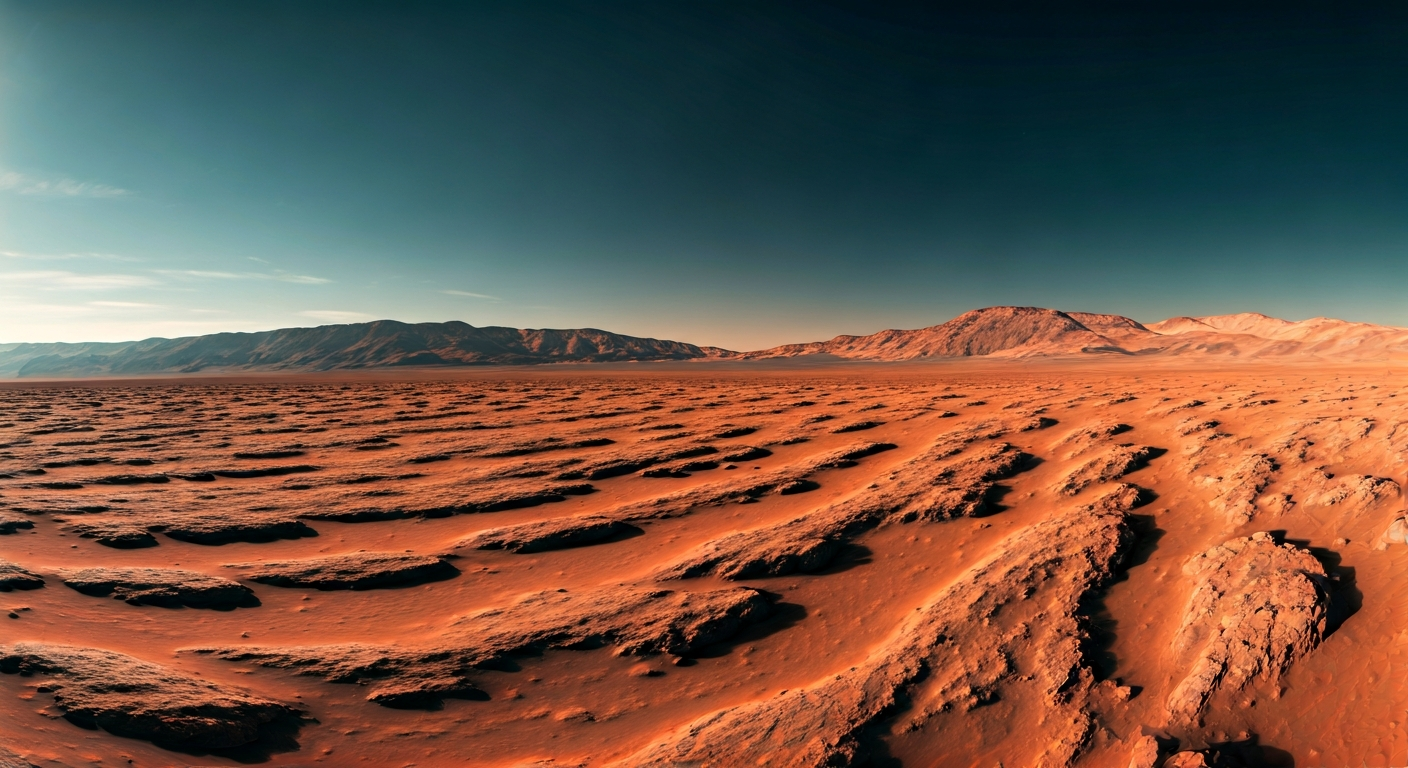
NASA's Curiosity rover has identified complex organic molecules within Martian rocks, offering new clues in the search for past microbial life.
NASA's Curiosity rover has made a significant discovery on Mars, detecting complex organic molecules embedded in ancient Martian rocks. These findings, reported by Telset.id, represent a crucial step in understanding the Red Planet's potential to harbor life.
The rover analyzed rock samples from Gale Crater, a region believed to have once held a lake. The instruments aboard Curiosity were able to identify various organic compounds within these sedimentary rocks. Organic molecules are the building blocks of life as we know it, and their presence, particularly in complex forms, strengthens the possibility that Mars may have once supported microbial organisms.
While the discovery of organic molecules does not definitively confirm the existence of past life, it is a vital piece of evidence. Scientists are particularly interested in the types of organic molecules found and their potential origins, whether biological or geological. The complexity of these molecules suggests more intricate chemical processes may have occurred on ancient Mars.
This latest finding builds upon previous discoveries of simpler organic compounds by Curiosity and other missions. The ongoing analysis of these complex organics will help scientists refine their understanding of Mars's past habitability and guide future exploration efforts in the search for biosignatures.
The detection of complex organic molecules by Curiosity is a tangible step toward confirming Mars's potential for ancient life. These carbon-based compounds, discovered in sedimentary rocks formed in a past lake environment, are crucial precursors for biological processes. This advance directly supports the long-term goal of establishing a self-sustaining Martian civilization by providing concrete evidence of the planet's capacity to generate life's fundamental components. As we continue to uncover such molecular complexity, the technological and logistical challenges of interplanetary settlement become increasingly justified by the scientific imperative to find and understand life beyond Earth, solidifying Mars as humanity's next frontier.
Edited by the news editor with AI and translated into English from the original report — please refer to the original source.