NASA Detects 1,319 Mars Quakes, Reveals Vast Subsurface Structure
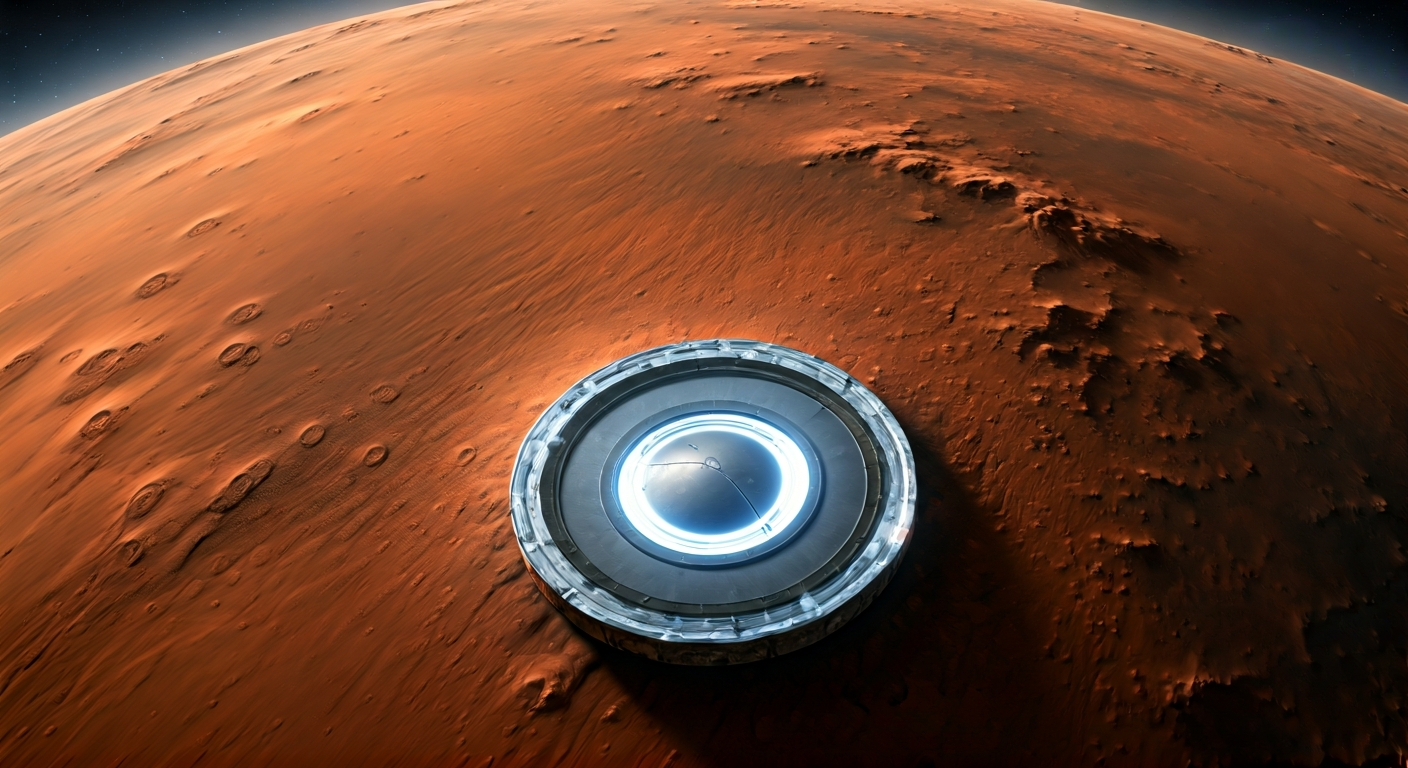
NASA's InSight lander has recorded over a thousand seismic events on Mars, uncovering evidence of a massive, deep geological system.
NASA's InSight mission has detected an unprecedented number of seismic events on Mars, tallying 1,319 "thumps" since its deployment. These measurements provide significant new insights into the planet's internal structure.
The seismic data, gathered by the lander's sensitive seismometer, has allowed scientists to map a substantial geological feature beneath the Martian surface. This feature is estimated to be an astonishing 14 kilometers (approximately 8.7 miles) thick.
Analysis of the seismic waves passing through this deep layer suggests it comprises a complex network of conduits and reservoirs. These findings indicate a dynamic subsurface environment, potentially involving fluid or gas movement, which has remained hidden until now.
The sheer volume of detected seismic activity, far exceeding initial expectations, underscores the value of direct geophysical measurements on other worlds. This extensive dataset is crucial for understanding the processes that have shaped Mars over billions of years and continues to influence its present state.
The discovery of a 14km-thick system of conduits and reservoirs beneath Mars, revealed by 1,319 seismic events, is a profound step toward understanding the planet's subsurface hydrology. This isn't just geology; it's evidence of a dynamic, potentially resource-rich environment. As we accelerate towards becoming a multi-planetary species, understanding these hidden reserves is paramount for future self-sustaining settlements. Each seismic thrum is a data point in our cosmic expansion, illuminating pathways for life and civilization to take root beyond Earth, transforming a seemingly inert world into a future home.
Edited by the news editor with AI and translated into English from the original report — please refer to the original source.